
Case studies: the story behind the pictures
Photography and film case studies from Doha and the wider region: what each client needed, how the work was made, and what they received. Restaurants, couture houses, fashion campaigns, interiors and UN agencies, each told in full.
The November Edit: Zuma and Carbone
New menus for two of Doha’s best-known dining rooms, photographed on location in their own light.
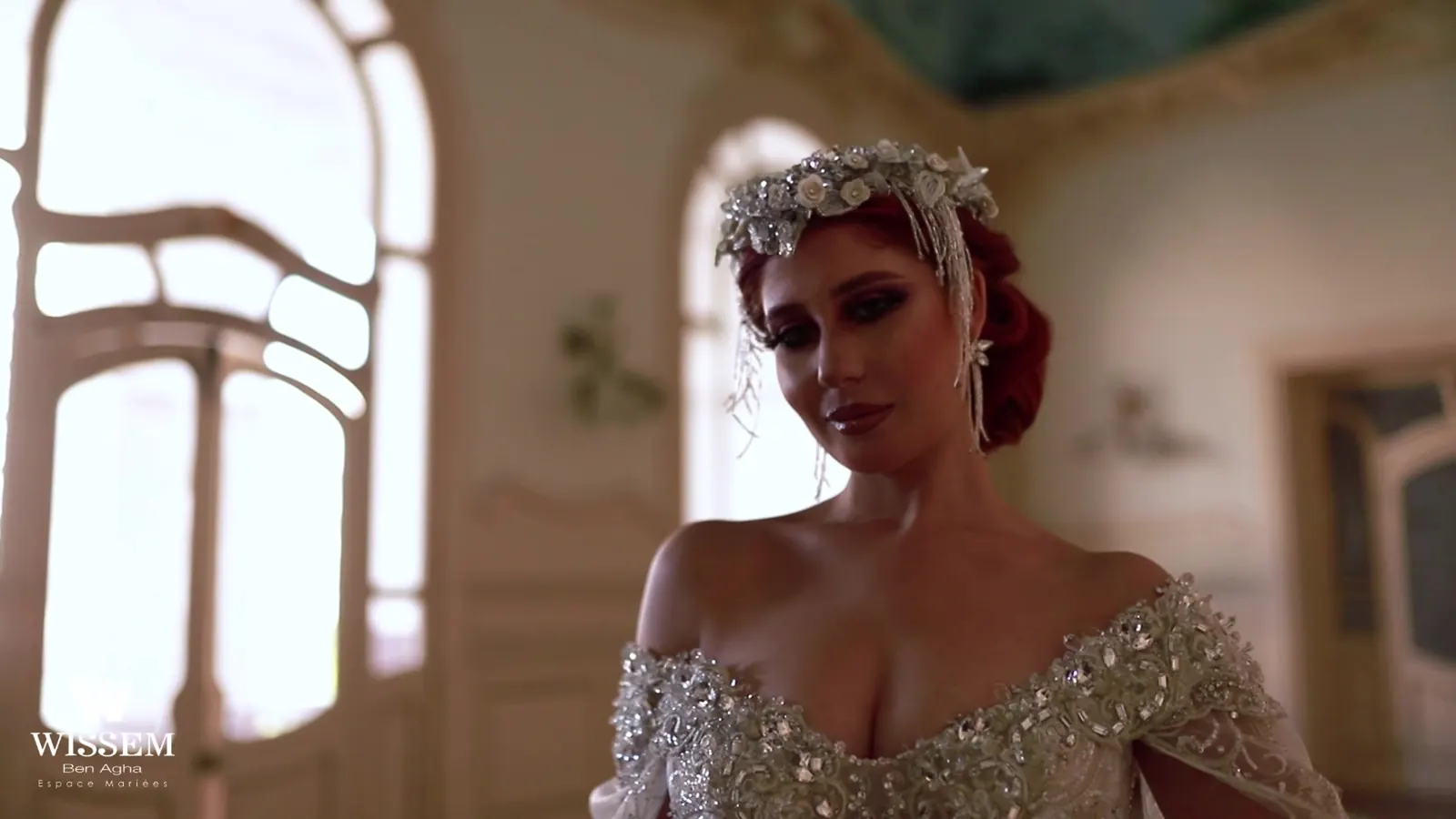
Read the case studyIn a Dream: a bridal couture film
A slow, cinematic film for the Wissem Ben Agha 2020 to 2021 bridal collection, directed by Ghassen Oueslati.
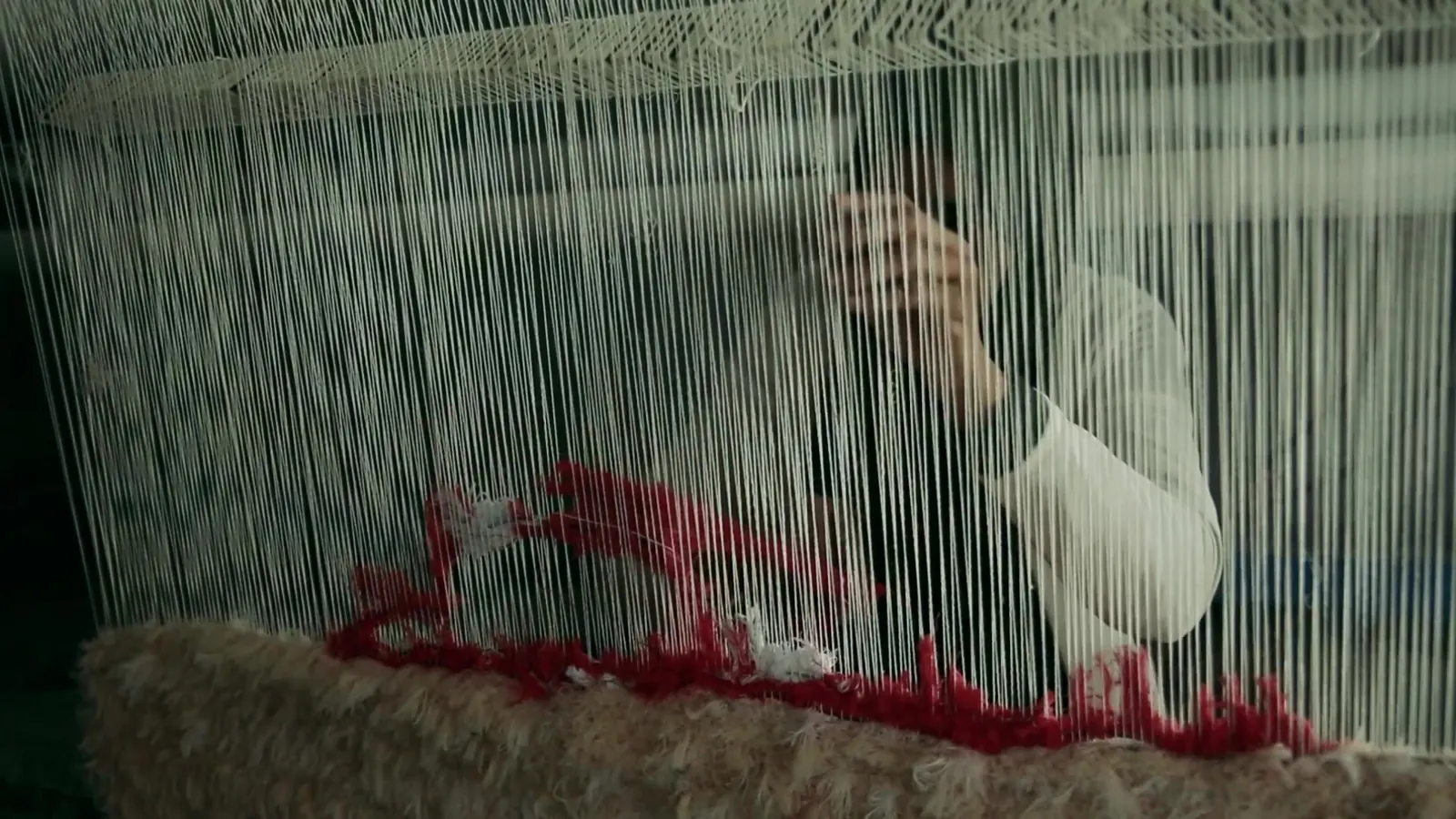
Read the case studyDecent work, up close: nine films
Nine short documentary films on decent work, vocational training and youth employment across Tunisia, made to UN visual standards.
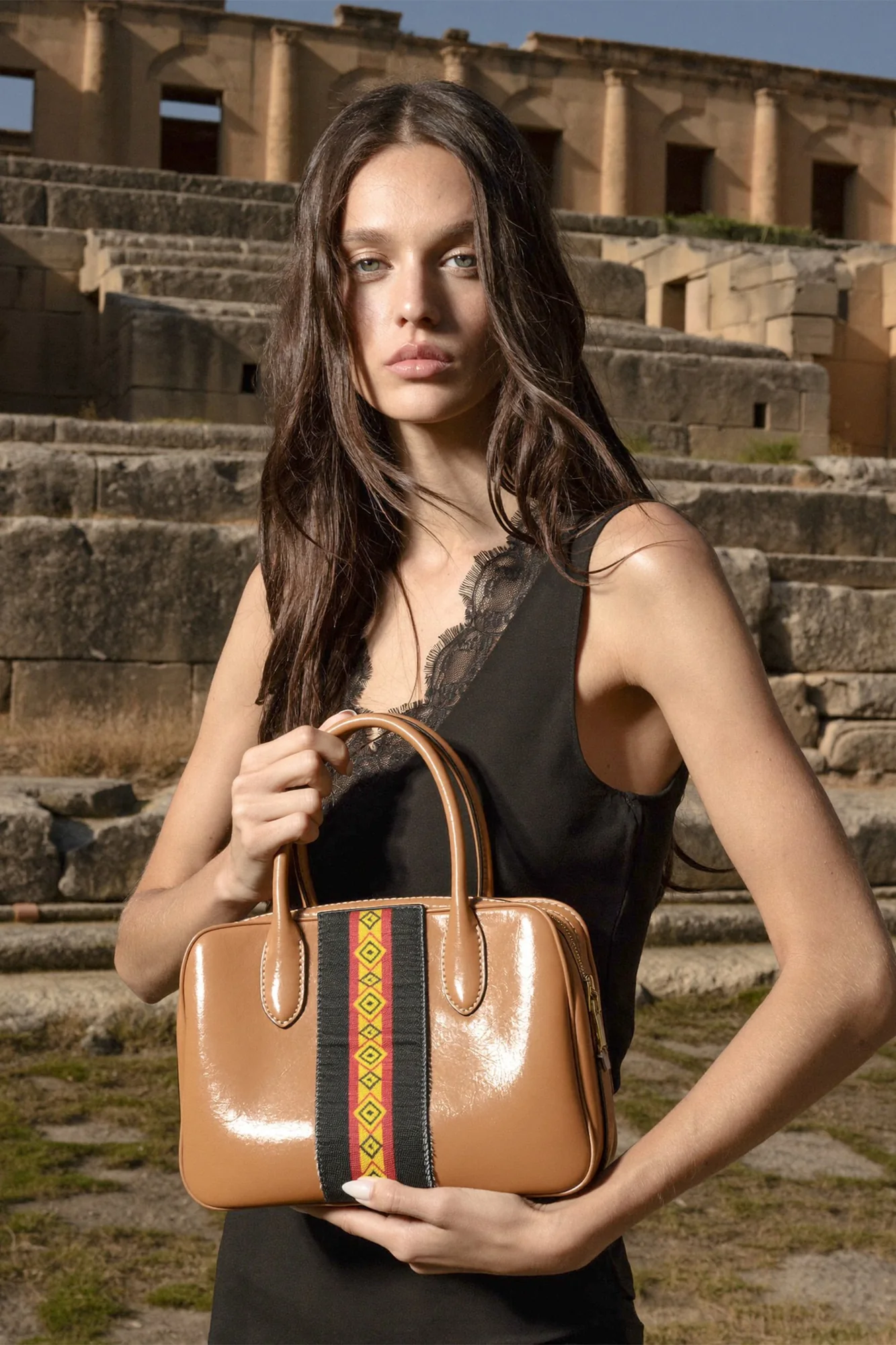
Read the case studyUnearthed: leather at a Roman site
An accessories campaign built on two decisions: black styling so the leather is the only warm object, and a bag presented rather than carried.
Read the case studyLoris: a waterfront restaurant
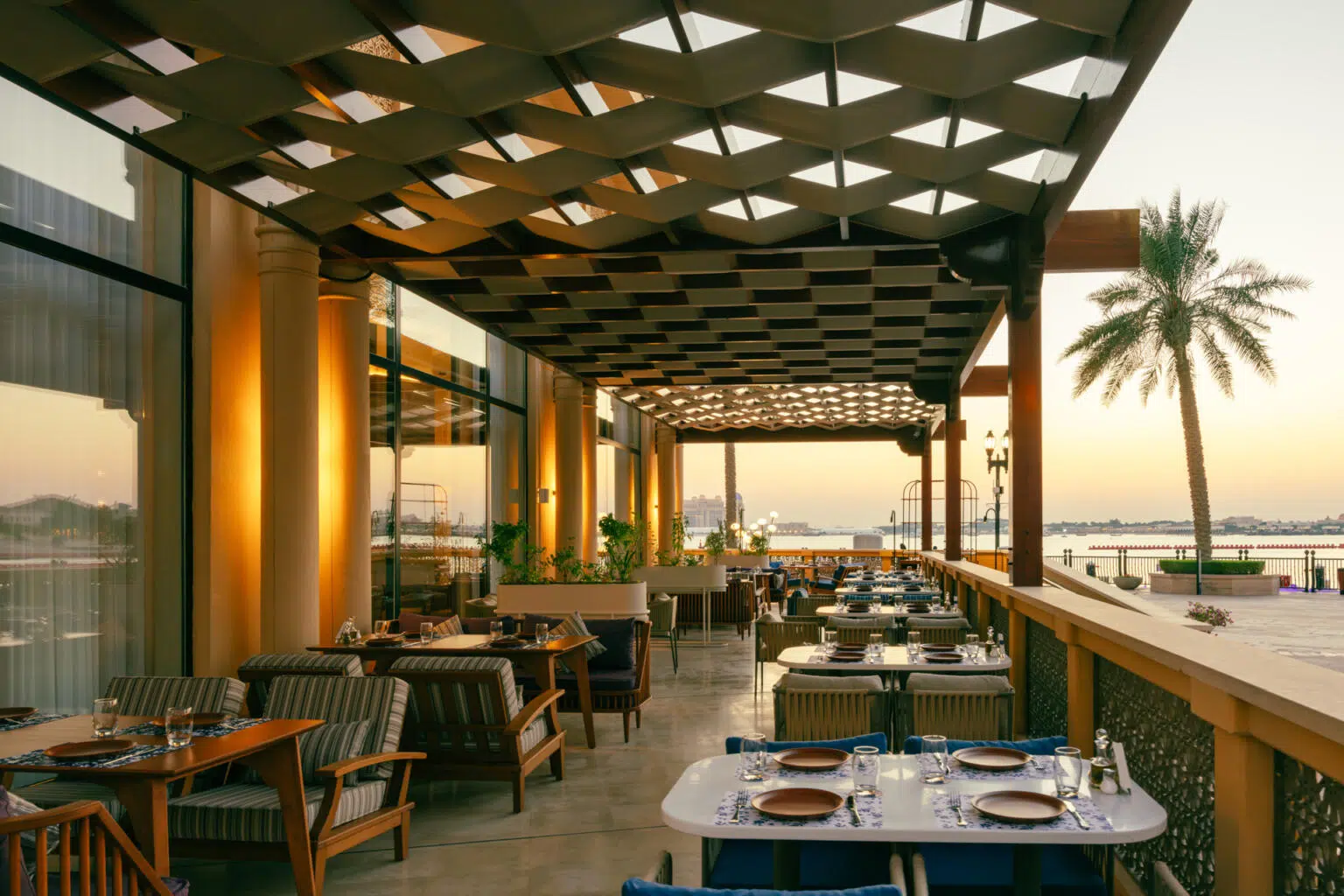
Interior photography of a Doha restaurant, from the timber lattice terrace at sunset to the olive tree at the heart of the dining room.
Read the case study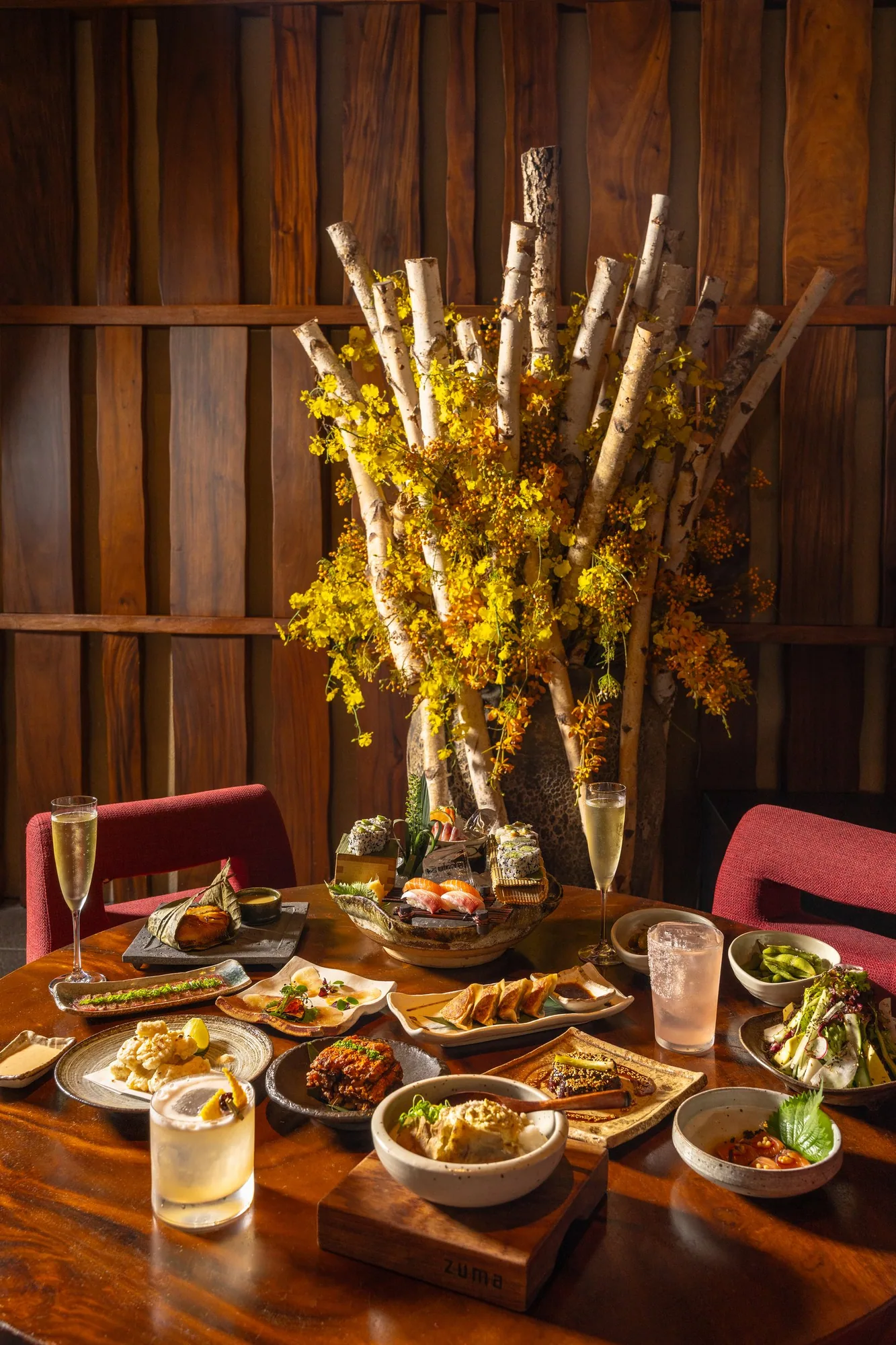
What these photography case studies show
A portfolio shows the best frames. These case studies show the thinking that produced them. Each one starts with the problem the client brought me, walks through the decisions made on location and ends with what was delivered and where it now lives. If you are deciding whether to commission a shoot or a film, that sequence tells you far more than a gallery ever can.
I write them for marketing managers, restaurant owners, brand founders, agency producers and programme teams who need to know how a photographer works before they hand over a launch. After more than twelve years across fashion, editorial, commercial, food and beverage, interiors, documentary and luxury hospitality, I have learned that clients rarely worry about whether the pictures will be pretty. They worry about whether the process will be calm, on time and right for their brand.
The brief, in plain words
Every one of my photography case studies opens with the brief as the client framed it: new menus for two dining rooms, a couture collection that needed a film, a programme that needed to be seen, a bag that had to hold its own against Roman stone, a restaurant whose architecture deserved better than flat daylight. Reading the brief first helps you recognise your own project in someone else’s.
The decisions that shaped the work
The middle of each story is about choices. Where to shoot and why. Which light to wait for. What to leave out of the frame. How to handle people on camera with dignity. These are the moments that separate pictures that work from pictures that merely exist, and they are the part of the job that clients most often ask me to explain afterwards.
What the client actually received
Each case study closes with the deliverables: a finished film and its format, a complete menu set sized for print and social, a documentary series ready for donor meetings, a campaign series graded as one story. Nothing is inflated. You see what was made, shown whole and uncropped, the way it was composed.
How each project in these case studies was approached
The five case studies on this page cover very different disciplines, but the method underneath them is the same: understand where the work will live, choose a location and a light that support the story, and then hold one idea consistently across every frame. Here is how that played out in each project.
A food photography case study: Zuma and Carbone
For The November Edit, the challenge was making new dishes feel as if they already belonged to two much-loved rooms. That is why this food photography case study is really about location. Both menus were shot inside the restaurants, around service, in each venue’s own light, with the kitchen plating every dish at its peak.
The lesson for any restaurant is simple: a menu photographed in a studio looks like a catalogue, while a menu photographed in the dining room looks like an invitation. If you are planning a launch, my food and beverage photography page explains how I schedule a shoot around a working kitchen. The genre has a long history worth knowing, and this overview of food photography is a good starting point.
A brand film case study: In a Dream for Wissem Ben Agha
In a Dream is a 2 minute 49 second bridal couture film for the Wissem Ben Agha 2020 to 2021 collection, which I directed and co-edited. As a brand film case study, it shows how a fashion house can sell craftsmanship through feeling rather than explanation: slow camera movement, window light, old architecture and close passes over hand beading.
The takeaway for fashion labels is that a film earns its place when it shows what stills cannot: the way a gown moves, the way light catches embroidery as a bride turns. If that is the kind of work you need, my brand film and video production service and my fashion photography in Doha work together on the same set.
A video production case study: the ILO films
Decent work, up close is a series of nine short documentary films and a teaser made for the International Labour Organization in Tunisia in 2017, where I worked as visual content producer. This video production case study is about trust: informed consent for every person filmed, eye-level framing and time given before the camera came out.
For NGOs and programme teams, the series shows how to film a programme without turning it into meeting rooms and handshakes. The camera stays with the work itself. You can read more about the wider mission behind the series on the ILO’s decent work page, and about my current offer on the NGO photography and impact films page.
Photography case studies in fashion: Unearthed
Unearthed is an accessories campaign photographed inside a Roman archaeological site, where I handled concept, casting, styling direction and photography. Ruins are often more interesting than the product, so the whole campaign rested on two decisions: black styling, so the leather is the only warm object, and a bag presented to camera rather than carried.
It is a useful read for any brand weighing a dramatic location, because it shows how to make a setting serve the product instead of competing with it. My fashion campaign photography page covers how I plan a series like this for print, outdoor and social.
An interior case study: Loris
Loris is a waterfront restaurant in Doha with a timber lattice terrace, an olive tree at the heart of its main room and lanterns in printed fabric. The plan followed the light: wide terrace frames as the sun dropped over the water, true verticals in the dining rooms, and close details for the materials.
For hospitality operators, it shows how one coordinated set can serve booking pages, press and social at once. More of this approach sits on my interior and architecture photography and hotel and hospitality photography pages.
Four principles that run through all five case studies
Whether the subject is a plate of black cod, a beaded bodice or a stonemason’s hands, I return to the same four principles. They are the reason the photography case studies on this page look like they come from one eye, even though the subjects could hardly be further apart.
Location as the studio
Real rooms, real sites and real light carry identity that a backdrop cannot. I scout for what a place gives, then shape it only where needed.
One idea per project
A shoot or a film is strongest when it proves one thing. Every frame then repeats that idea with small variations instead of chasing something new.
Light for the subject
Gloss, beading, timber and skin each need a different angle and quality of light. I light for what makes the subject convincing, not for a formula.
Whole frames
I compose for the final use and deliver images uncropped, so nothing important is cut away when the work goes to menus, screens or print.
How to brief a photography or film project
The best projects in these case studies started with a clear brief, and a clear brief does not need to be long. A single page that answers a few honest questions saves days of back and forth and lets me give you an accurate proposal quickly. Here is what I ask every client, whether the job is a menu, a campaign or a documentary series.
1. What is launching, and when
Tell me what the work is for: a new menu, a collection, a venue opening, a programme report. Then give me the date it has to be live. Working back from the launch date is how I plan the shoot, the edit and the delivery, and it is the single most useful piece of information you can share.
2. Where the work will live
A menu card, an Instagram feed, a billboard and a donor presentation all need different framing. If I know the channels in advance, I compose for them on set, leaving room for text where it is needed and shooting vertical versions where the platform demands it. This is the reason I can deliver whole frames that never need awkward crops later.
3. Who the audience is
Guests, buyers, brides, donors and partners each respond to different things. A bride wants to feel the gown; a donor wants to believe the programme is real. Knowing your audience tells me what to emphasise and, just as importantly, what to leave out of the frame.
4. Stills, film or both
Many projects need both, which is why one video production case study and one food photography case study can share the same planning logic. It is far more efficient to plan them together than to book two separate days. If you are unsure which you need, describe the goal and I will recommend a format. The bridal couture film in these case studies, for example, also produced a set of stills taken directly from the footage.
5. Location, access and people
Let me know where we can shoot, what hours the space is available and who will be on camera. For restaurants that means service times and kitchen capacity. For films with people, it means consent, comfort and time. For heritage sites and public spaces, it means permissions, which are always worth arranging early.
6. References and brand guidelines
Send anything that shows your visual identity: past campaigns, a mood board, colour guidelines, even photographs you dislike. References are not a request to copy; they are a shortcut to a shared language. They help me match your brand quickly and show you where I would push the look further.
- What is launching, and the date it must be live.
- Every channel the images or film will appear on.
- The audience you most need to reach.
- Stills, film or both, and rough quantities.
- Location, available hours and who will be on camera.
- References, brand guidelines and anything to avoid.
When you are ready, the quote form walks you through these points in a few minutes. If you would like a broader view first, my guide on how to hire a photographer in Doha and my notes on photography prices in Doha answer most of the questions people have before getting in touch.
What to look for in photography case studies when you compare photographers
Case studies are the fairest way to compare creative suppliers, because they show method as well as taste. When you read mine, or anyone else’s, it helps to look past the hero image and ask a few practical questions. Good case studies will tell you whether a photographer or director can handle your project, not just whether they can take a good picture.
- ConsistencyDoes the set look like one story, or a collection of unrelated best shots?
- ContextDo the images show the brand’s world, its rooms, its materials, its people?
- RestraintIs there a clear idea, and has the photographer been disciplined about it?
- PeopleAre subjects shown with dignity, at ease and in control of their story?
- DeliveryIs it clear what the client received, in what formats and for which channels?
A good video production case study should also tell you who did what. On In a Dream, for example, the credits list the editors and assistants alongside my role as director. Credits like these are a sign of honesty, and they show you how a crew is built around a project.
Finally, notice how the work has been used since. A brand film case study that ends with a finished file ready for launch, or a food photography case study that ends with a complete set ready for new menus, tells you the work was made to be used, not just admired. For more writing on process, my journal collects guides and field notes.
Working together: questions about these case studies
Are the case studies on this page real client projects?
Yes. Every one of the case studies here is a commissioned project: Zuma and Carbone Doha, Wissem Ben Agha, the International Labour Organization, the Unearthed accessories campaign and Loris. Each page shows the published work and the credits as they were delivered.
Do you only work in Doha?
I am based in Lusail, Doha, and most of my commissions are in Qatar, but I work across the region and beyond. The ILO films were made in Tunisia and the Wissem Ben Agha film was shot on location in an old house. Travel is planned into the proposal from the start.
Can you handle both photography and film on one project?
Yes. The brand film case study on this page is a good example, and it is often the most efficient way to work. I plan stills and motion together so the lighting, locations and schedule serve both. You get a consistent look across the film, the campaign images and the social cut-downs, from one creative lead.
How far in advance should I book?
For a menu or interior shoot, a couple of weeks usually gives enough time to agree a shot list and schedule around service. Campaigns and films need longer for concept, casting, locations and permissions. If your launch date is close, get in touch anyway and I will tell you honestly what is possible.
Who owns the images and films after delivery?
Usage is agreed in writing before the shoot and depends on where the work will run: web, social, print, outdoor or broadcast. Telling me the channels in your brief lets me include the right licence in one clear, all-inclusive quote.
How do you price a project like the ones in these case studies?
I quote a single all-inclusive figure based on the brief, the shoot days, the crew, the edit and the usage. There are no surprise line items later. My photography prices and videographer prices in Doha guides explain what moves the number.
Will my project become a case study?
Only with your permission. Some clients are happy to share the story, others prefer the work to stay private or to appear only after a launch. Either way, the work gets the same care, and nothing is published without your approval.
What do you need from me on the shoot day?
A point of contact who can make decisions, access to the space at the agreed times, and the products, dishes, garments or people ready as planned. For restaurant shoots, a kitchen that can plate in the agreed order makes the biggest difference to the day.
Tell me what you are making
Share the brief, the date and where the work will live. I reply within one business day.