
Decent work, up close: NGO documentary film production for the International Labour Organization
These ILO decent work films are NGO documentary film production at its most practical: a series of nine short documentary films following decent-work programmes, vocational training and youth-employment initiatives across Tunisia. Made to UN visual standards, with informed consent and safeguarding applied to every person on camera.
- Client
- International Labour Organization (ILO)
- Role
- Visual content producer
- Where and when
- Tunisia · 2017
- Output
- 9 short documentary films and a teaser
Show the work, not the workshop
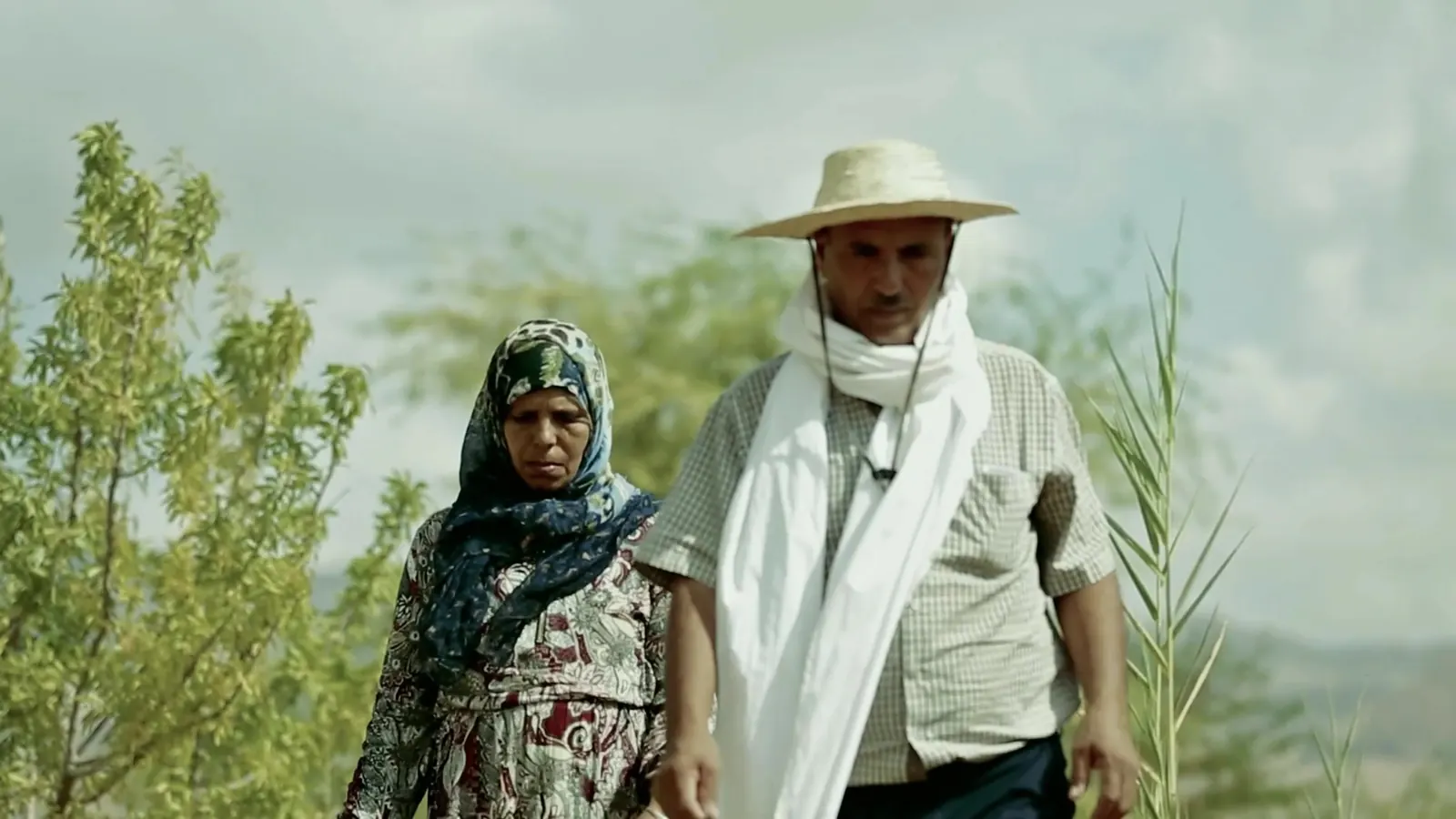
Programme films often end up as meeting rooms, banners and handshakes. The people the programmes exist for, the weaver, the farmer, the young man learning a trade, appear for a second at the end. This series turned that around. The camera stays with the work itself: hands, tools, fields and the faces of the people doing it.
Each film follows one strand of the programme, so partners and donors can share a single story without needing the whole series.
- Nine short films and one teaser, one visual language.
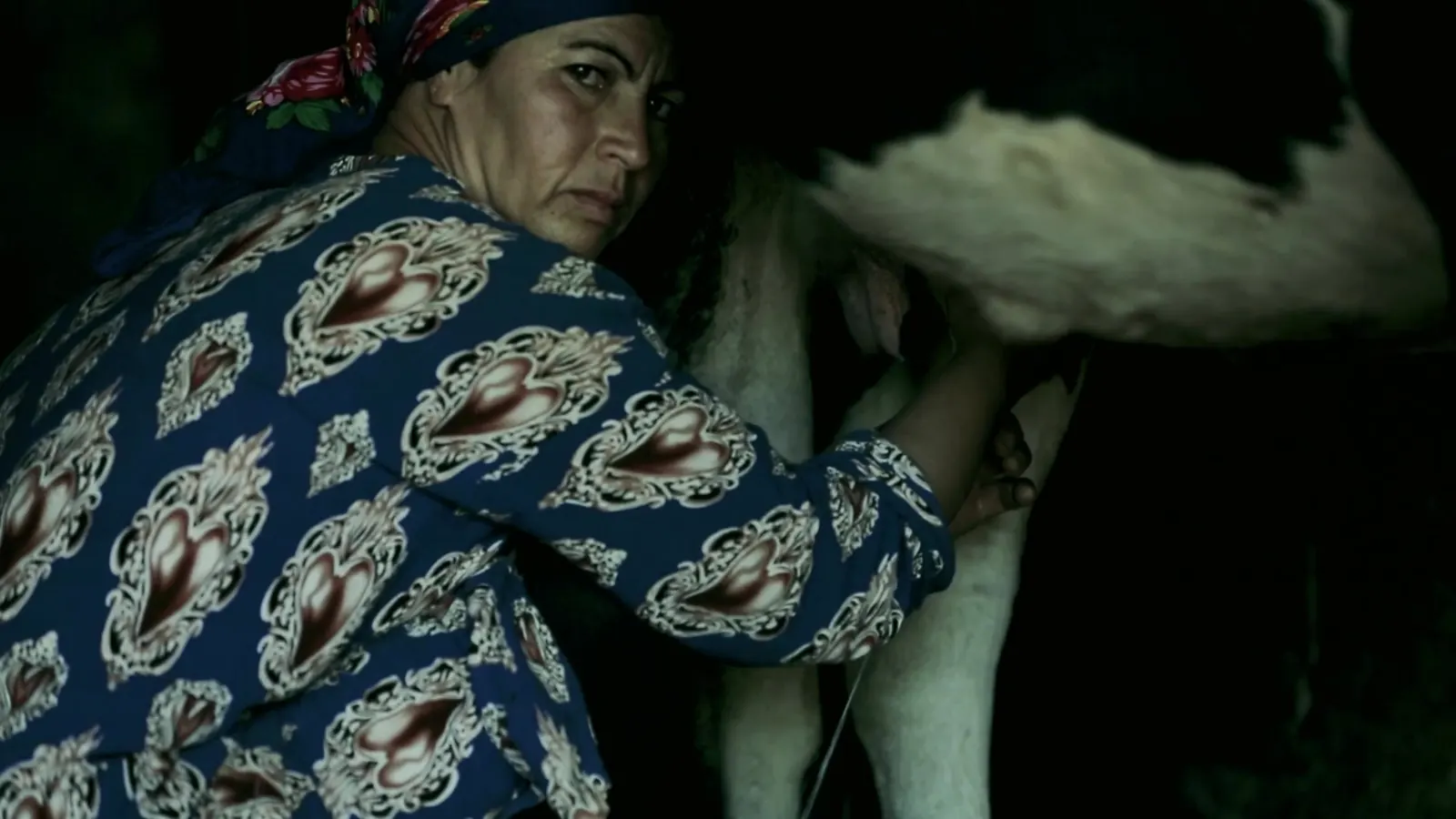
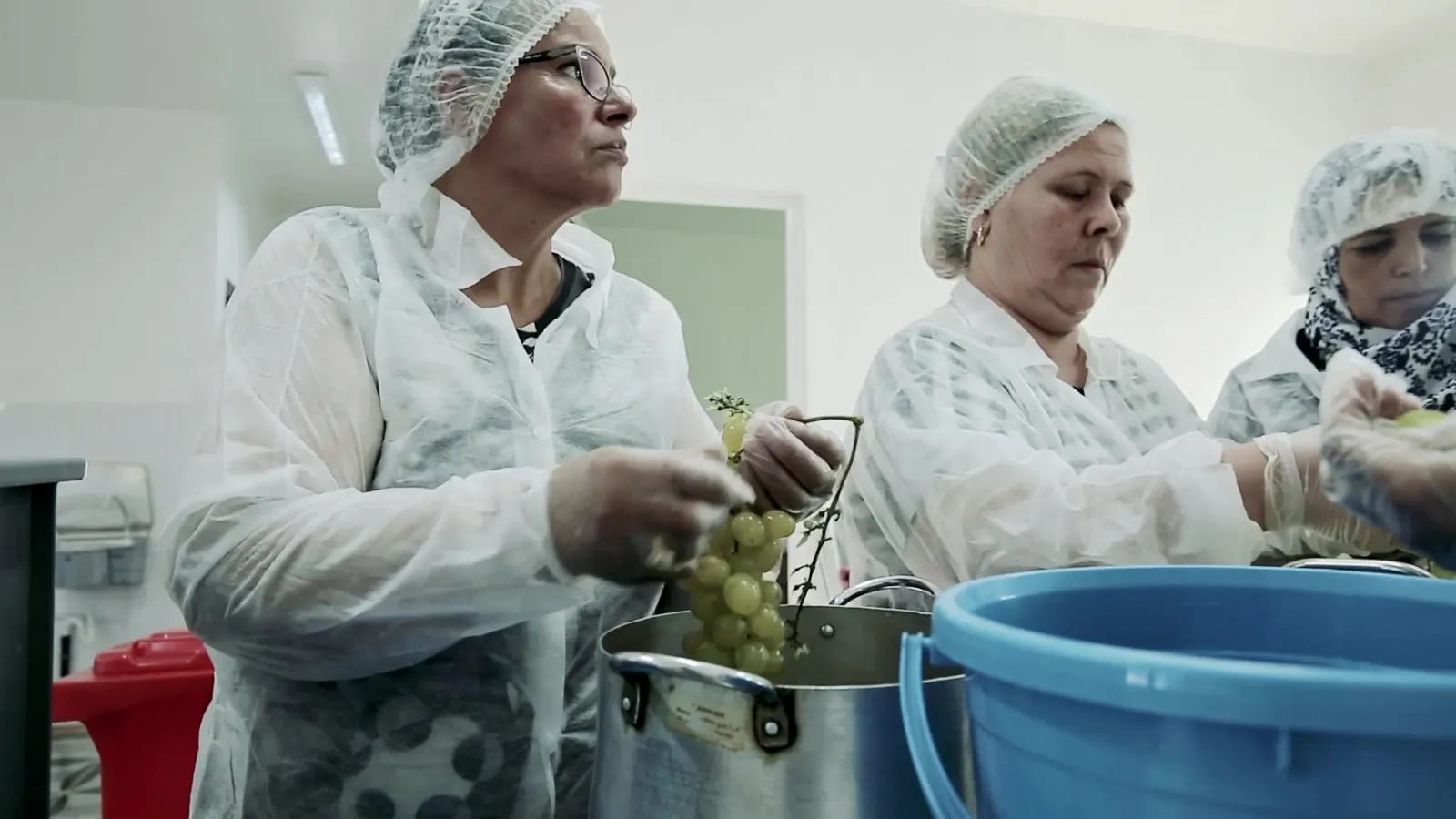
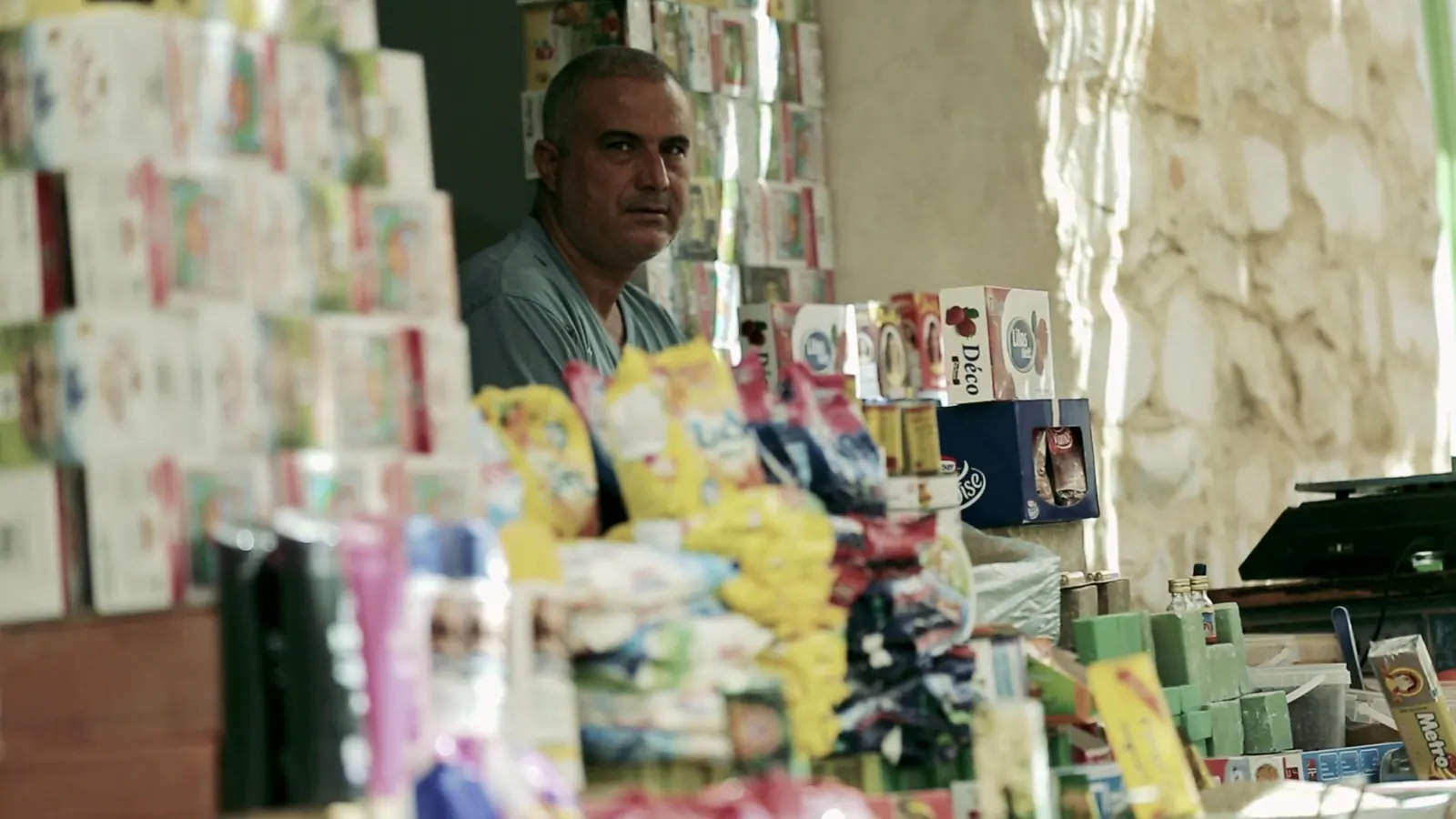
- Filmed on location in workshops, farms and quarries.
- Informed consent and safeguarding for every person filmed.
Eye level, with time given first
Nobody in these films is a case number. Every person was asked, told what the film was for and given the choice to say no. I filmed at eye level, never from above, and gave people time before the camera came out.
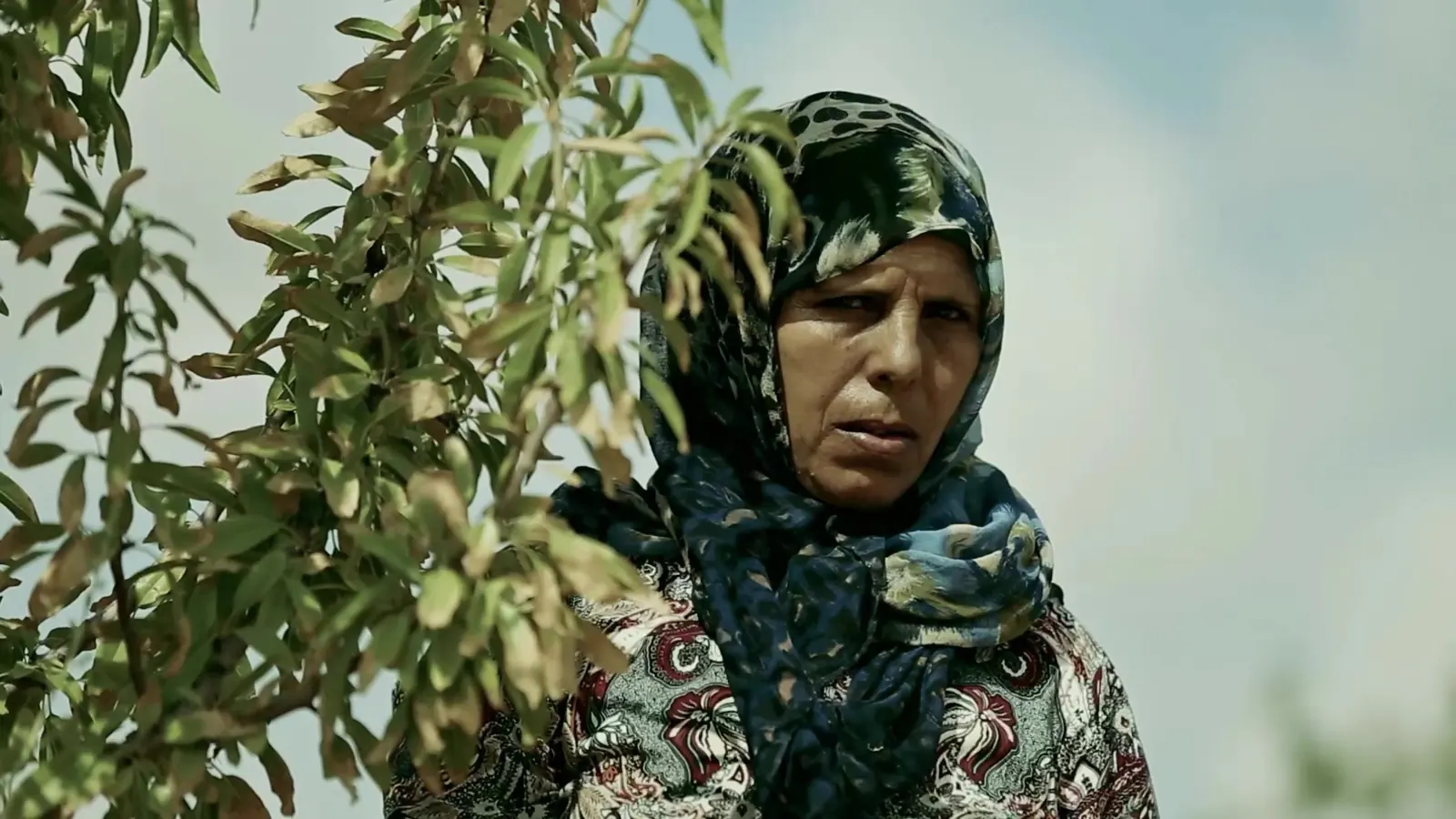
That patience shows on screen. People hold their gaze, carry on working and let the camera in, which is what makes a programme film believable to the people who fund it.
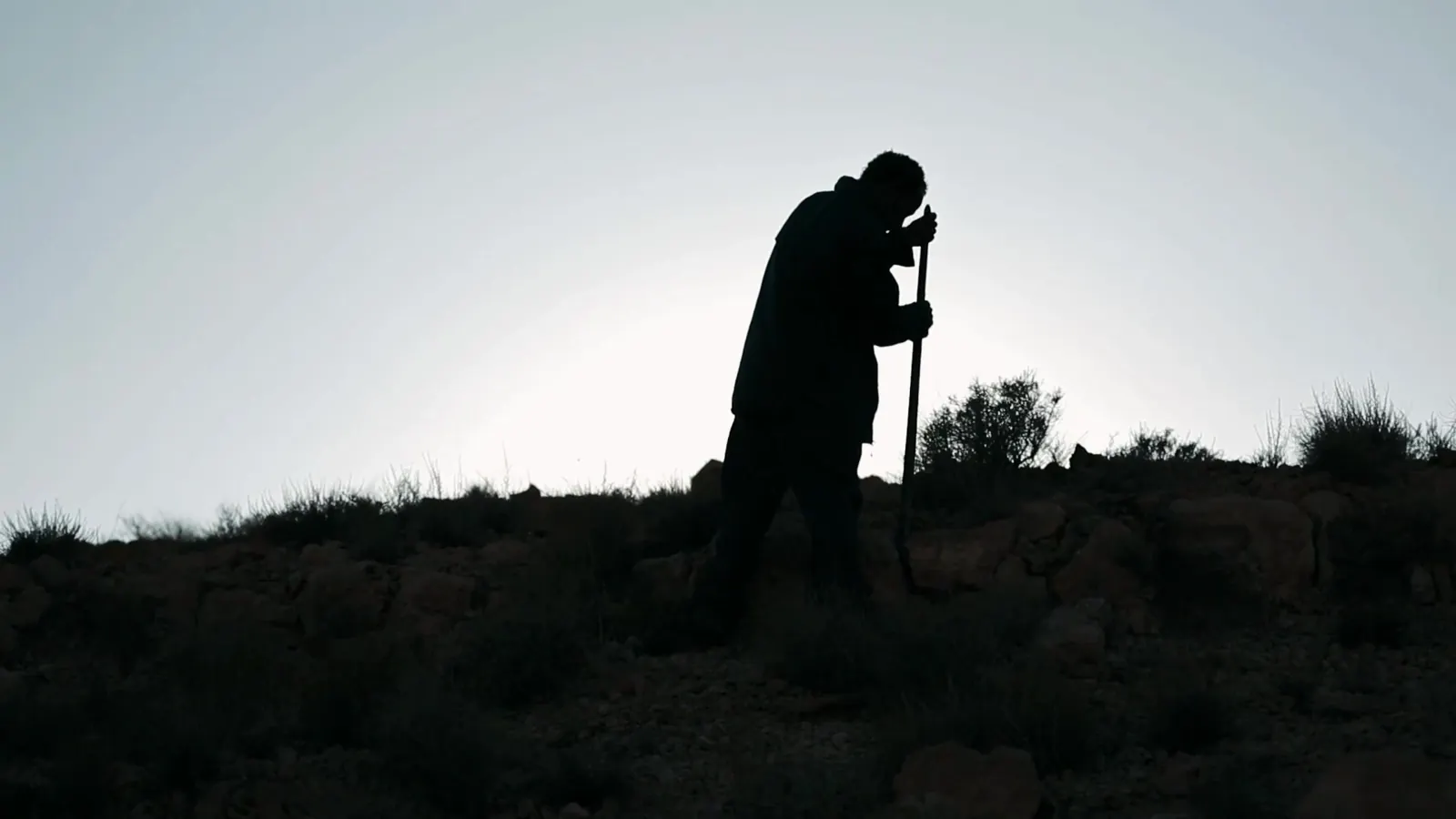
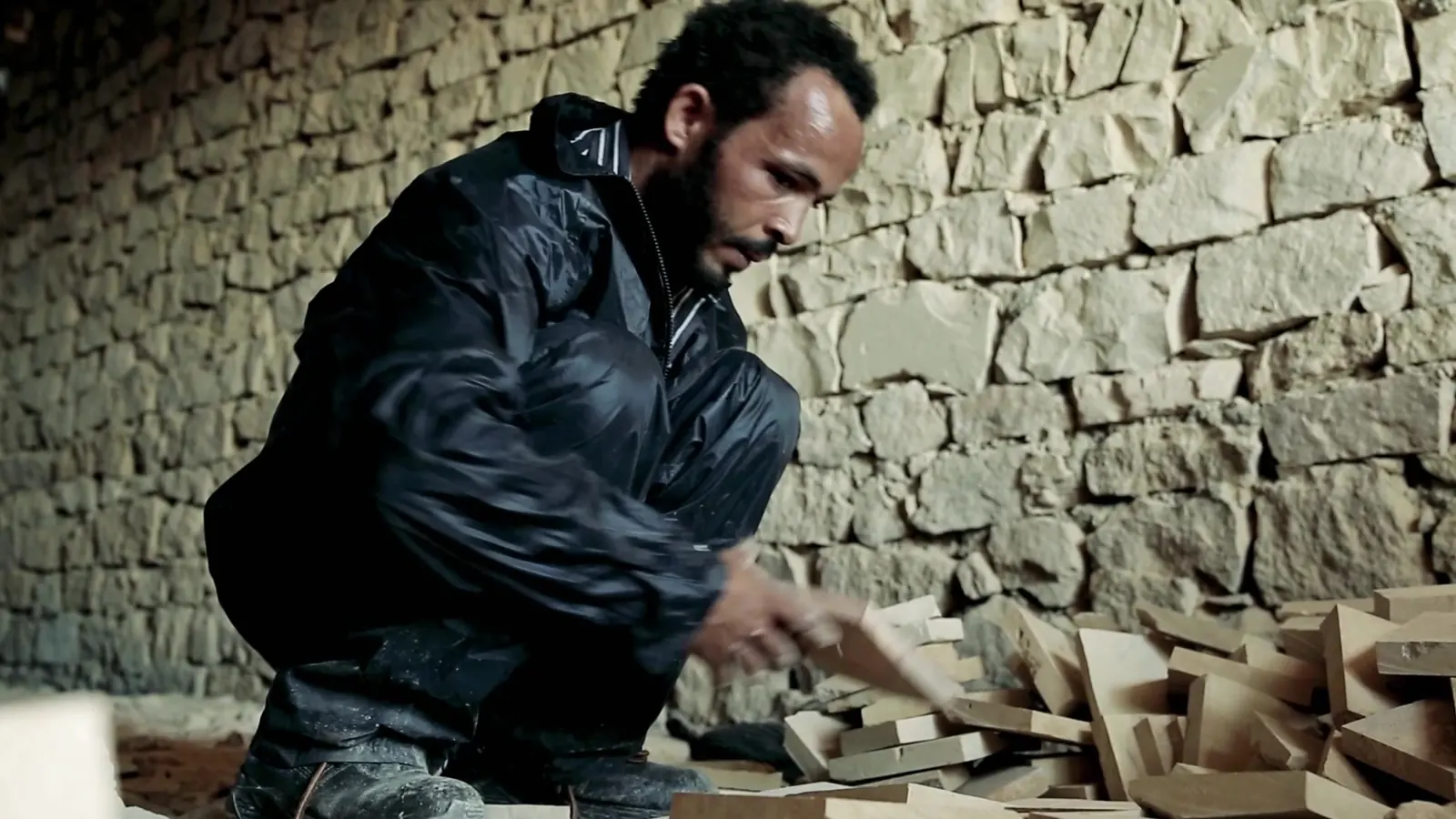
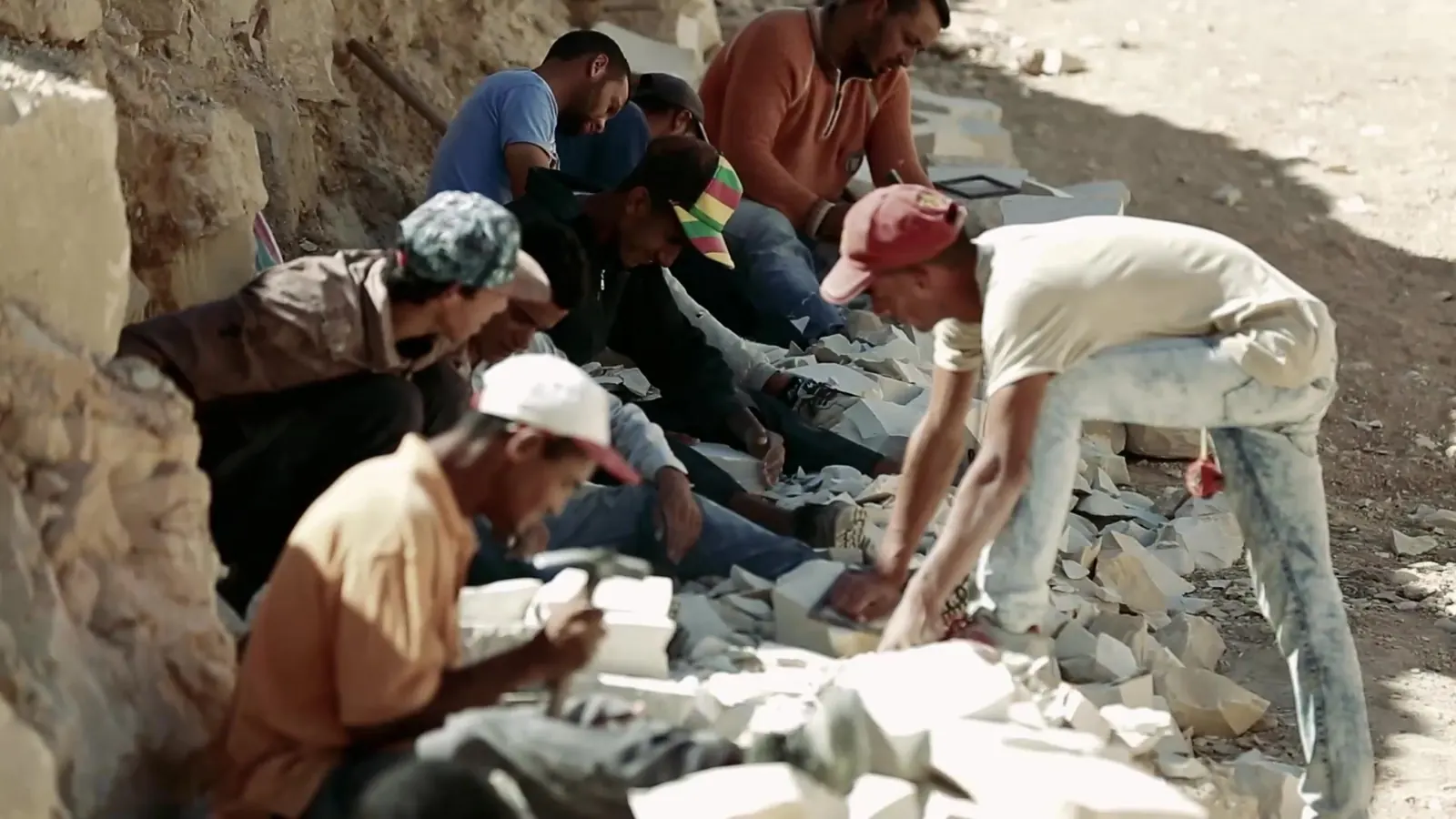
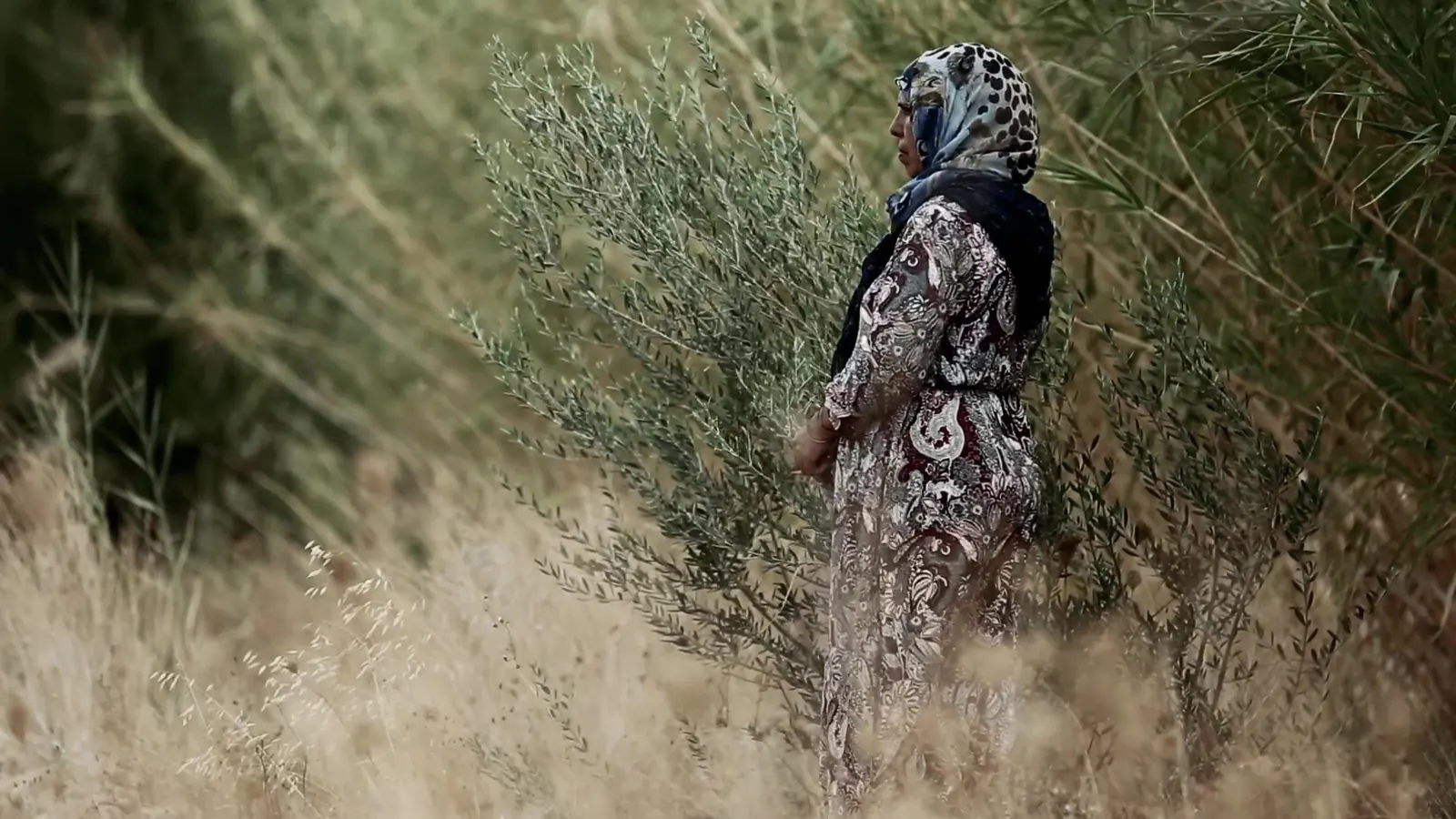
Swipe or scroll · stills from the series
Skills you can see in the hands
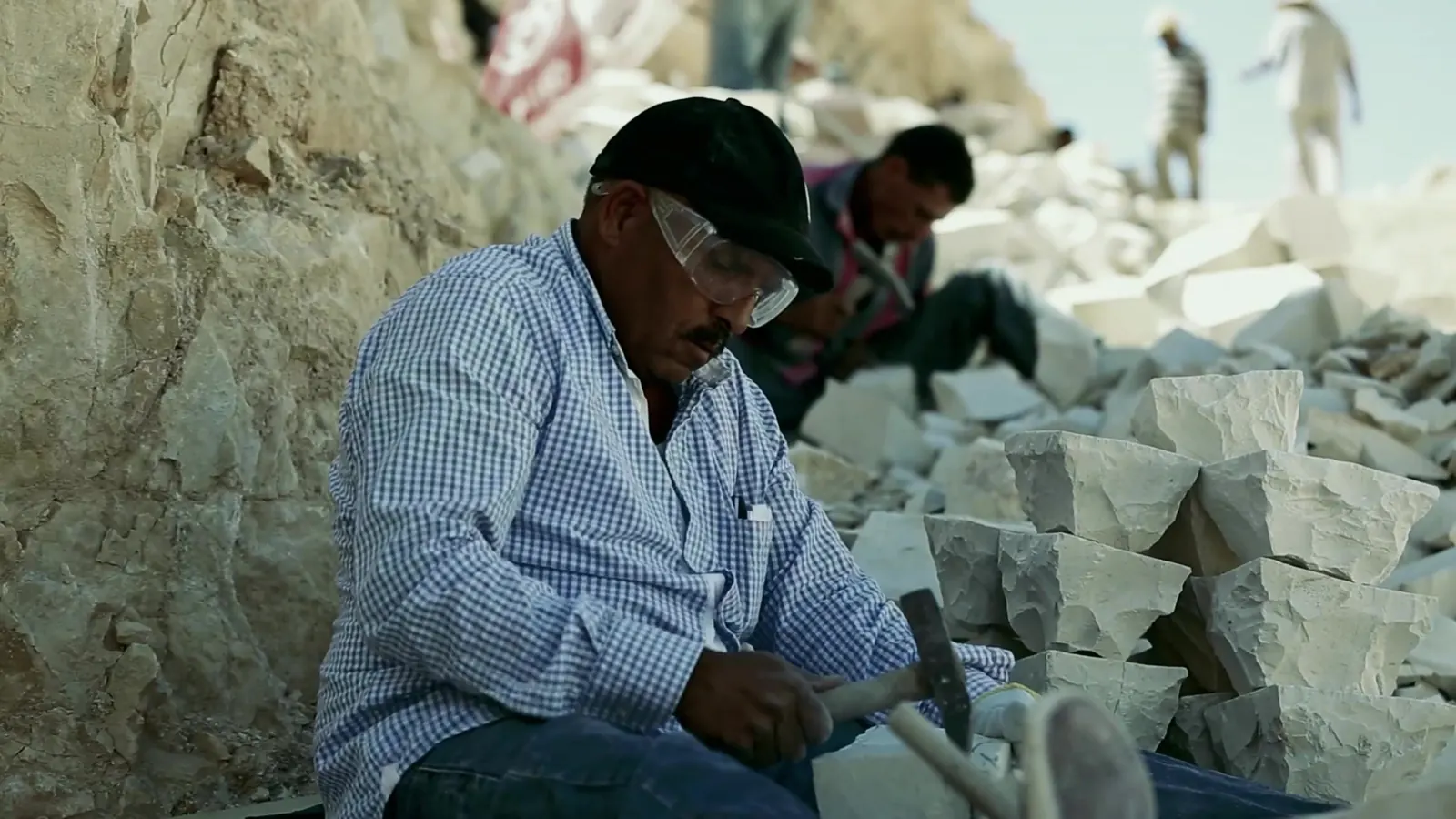
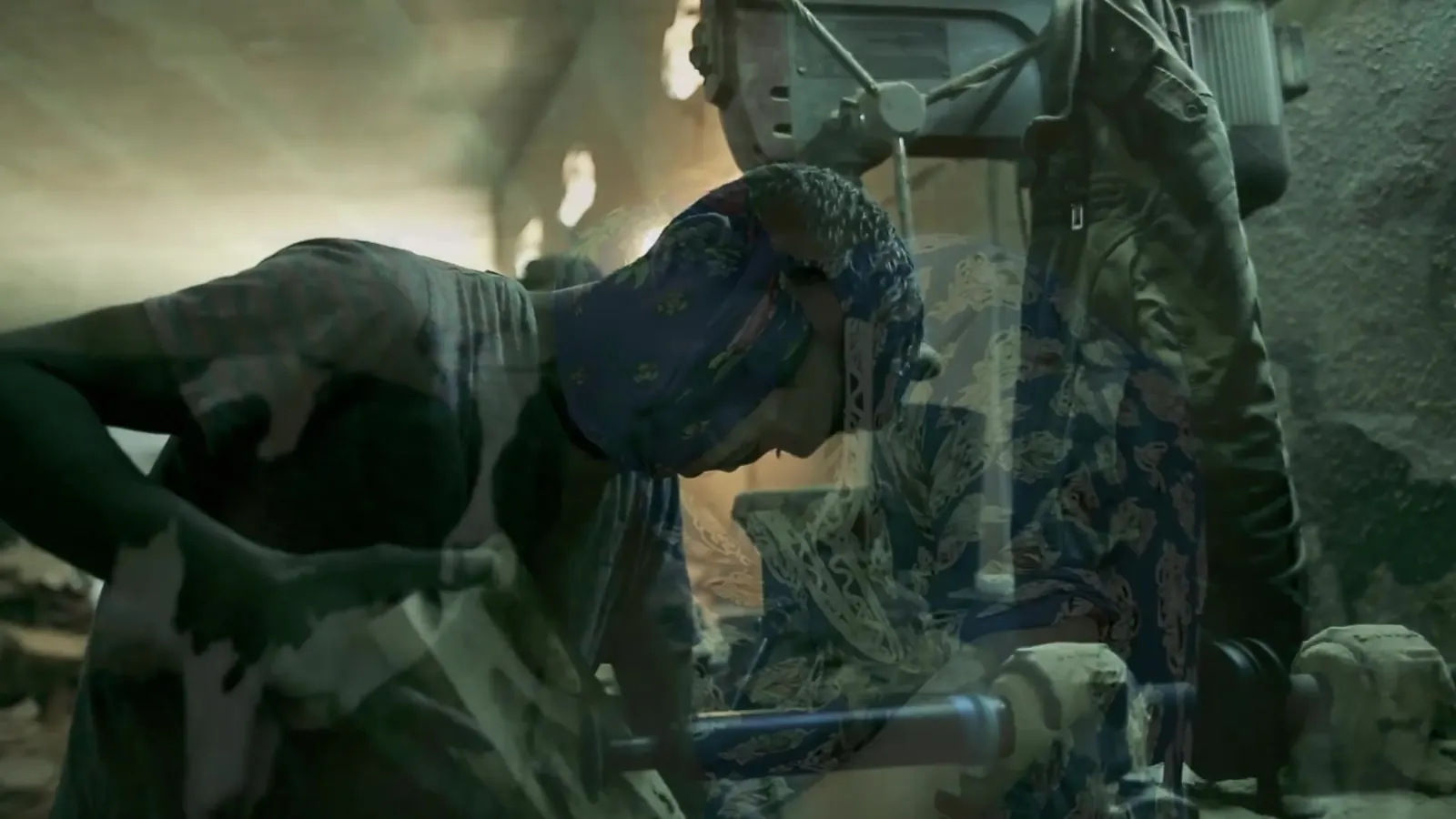
Vocational training is hard to film because the change happens slowly. The answer was to stay close to the craft itself: the rhythm of a chisel on stone, the pace of a production line, the care in a farmer’s routine. When the skill is visible, the programme’s value is too.
Nine documentary films, one story each
Each film plays here. They are short by design, made to be watched in full on a phone, in a donor meeting or in a programme report.

Decent work, up close

Youth employment

Vocational training

Community programmes

Skills & livelihoods

Women in the workforce

Field documentary

Programme stories

Closing chapter
How consent and safeguarding worked on set
- Informed consentConsent was asked for before filming, with the purpose of the film explained, and every subject was free to say no.
- DignityPeople are shown working, skilled and in control of their story, never as objects of pity.
- SafeguardingExtra care around young people and anyone in a vulnerable situation, including what is shown and what is left out.
- AccuracyNothing staged to make a point. Scenes are real work, filmed as it happens.
Where the films live now
All nine films and the teaser are published and play on this page. The same field approach runs through the rest of my documentary practice and the NGO photography and video production I offer today.
What the ILO decent work films set out to show
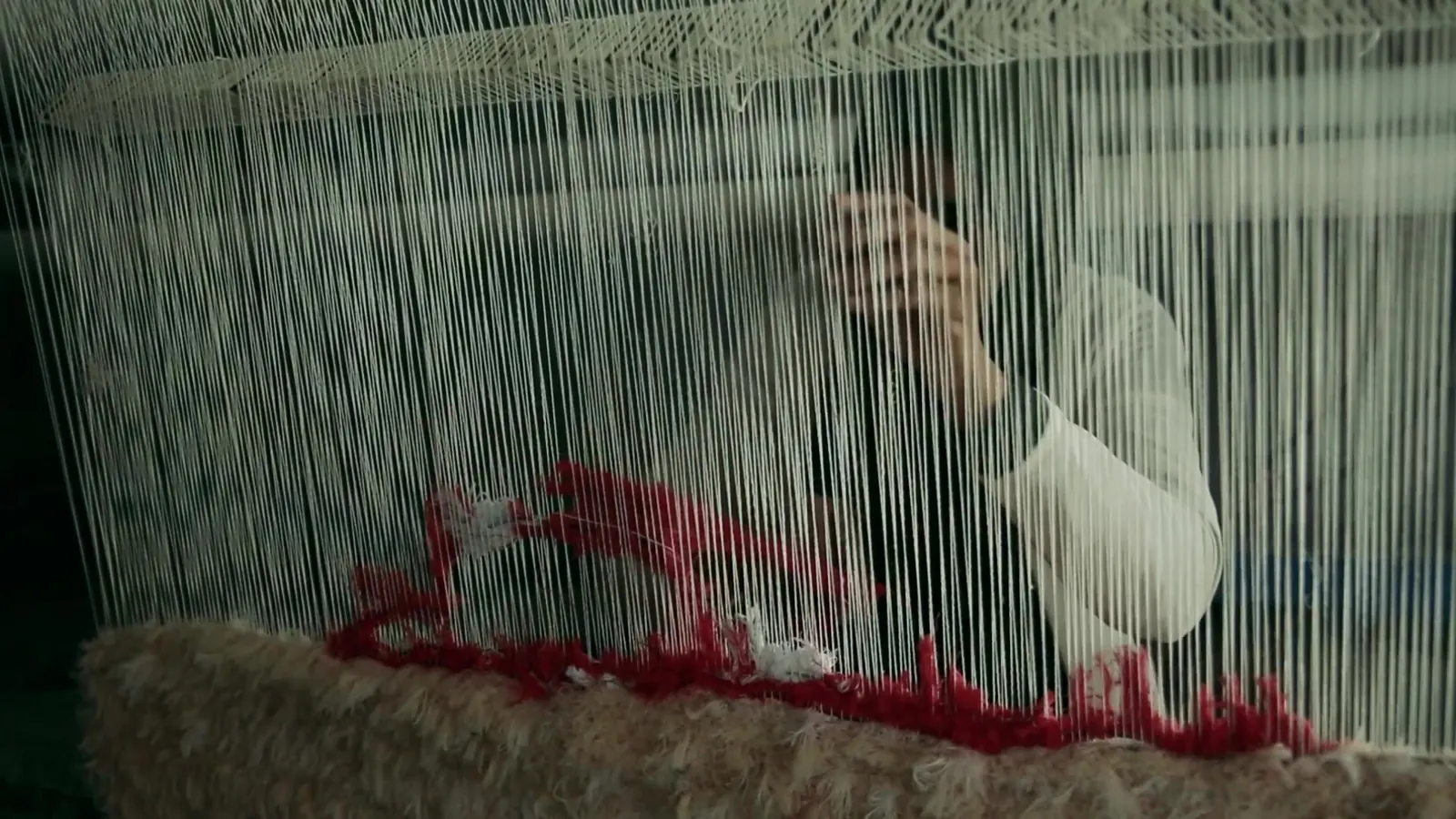
The International Labour Organization describes decent work as work that is productive, pays a fair income, offers security in the workplace and social protection, and gives people a voice in the decisions that affect their lives. It is a powerful idea and a difficult one to film. A policy phrase has no face. A weaver working red wool through a loom does.
The job of the ILO decent work films was to translate that agenda into moments a viewer can understand in a few minutes, without exaggeration and without losing accuracy. Every choice on location came back to one question: does this shot show the work, and the person doing it, honestly?
Youth employment as a thread, not a slogan
Youth employment runs through the whole series, and it has a film of its own, Film II. It is also one of the easiest subjects to get wrong. Young people in training are often filmed as a statistic: sitting in rows, listening. I prefer to film them doing. Holding the tool, making the mistake, trying again. That is where a viewer sees a skill being built, and where youth employment stops being a heading in a report.
The same thinking links a local programme to the wider global agenda. Decent work sits at the heart of the eighth UN Sustainable Development Goal, and donors want to see how the work on the ground connects to it. A good NGO documentary makes that connection through people, not through graphics and percentages.
Why nine short films work better than one long one
A single long film asks a busy audience for time they rarely have. Nine short films, each following one strand of the programme, let a partner share exactly the story that matters to them: vocational training with a training provider, women in the workforce with a gender team, community programmes with local partners. The teaser ties them together for anyone who wants the whole picture first.
Short also means disciplined. Every scene has to earn its place, which keeps the films honest. There is no room for long speeches or a parade of logos, so the camera stays where the brief asked it to stay: on the work.
Documentary film production in the field: how I approach it
Good documentary film production is mostly decided before the camera is switched on. The people in a programme film are not actors and owe the crew nothing. If they feel rushed, watched or used, it shows in every frame. So I plan the time on location to give trust a chance to form first, and I treat that time as part of the production, not as a delay.
Arrive, explain, then wait
On a programme film I start with a conversation, not a shot list. I explain who the film is for, where it will be shown and what the person is free to refuse. Then I spend time in the space without filming: watching the routine, learning where people stand and where the light falls. By the time the camera comes out, it is part of the room rather than an interruption to it.
Light that belongs to the place
Workshops, farms and quarries have their own light: side light through a workshop door, open sky over a quarry, the low glow inside a barn. I would rather work with that light than flood a space with lamps that change how people behave. The stills on this page show the result: daylight from the side, faces lit the way they are on any working day.
Film the process, not the pose
Craft has a rhythm, and the rhythm is the story. A chisel on stone, hands sorting produce, a farmer’s morning routine. I film long, steady takes of the whole process so the edit has the full movement to work with, then add close details of hands and tools. A posed shot of someone pretending to work always reads as false, and audiences notice.
Edit for the phone and for the boardroom
These films were made to be watched in full on a phone, in a donor meeting or in a programme report. That shapes the edit: a clear opening image, a story that holds together in a few minutes, and an ending that leaves the viewer with a person rather than a slogan. The same cut has to work for a senior official and for a trainee’s family.
Planning a UN video production: what to prepare
Most of the quality in a UN video production is decided long before the shoot. If you are commissioning an NGO documentary or a film series like this one, these are the points I ask teams to settle early. They save days on location and, more importantly, they protect the people who appear on screen.
Audience first
Decide who the films are for: donors, partners, participants or the public. Each audience needs a different length, tone and opening image.
One strand per film
Map the programme into clear strands, such as vocational training, youth employment or community work, and give each film just one of them.
Consent and safeguarding
Agree how consent is asked and recorded, who may not be filmed, and what must never appear in frame, especially around young people.
Access and timing
Confirm sites, local contacts and working hours, so the crew films real work in progress rather than a staged visit.
Languages and versions
Plan subtitles, short social cuts and a teaser from the start, not as an afterthought once the edit is locked.
Rights and archive
Settle usage rights, credits and storage, so the footage stays useful for future reports and campaigns.
Five things this NGO documentary series taught me
Every project leaves something behind in the way I work. The ILO decent work films shaped my approach more than most, and the lessons apply to any organisation planning a programme film today, whatever the subject or the country.
- Time is a production valueThe patience given before filming is visible on screen. People who trust the crew hold their gaze and carry on working.
- Skills are filmed through handsVocational training changes slowly, so stay close to the craft. When the skill is visible, the programme’s value is too.
- Eye level is a decision about dignityFilming from above makes people smaller. Eye level lets them meet the viewer as equals, in control of their own story.
- Short films travel furtherA film that can be watched in full on a phone gets shared. A long one gets saved for later and forgotten.
- Real work beats stagingNothing in the series is staged to make a point, and the people who fund programmes can tell the difference.
Those principles now run through every NGO documentary I make, whether it is a single impact film, a photo series for an annual report or a UN video production spread across several locations.
What makes NGO documentary film production different from brand work
In commercial work, the brand owns the story and the people on camera are usually paid talent. In NGO documentary film production, the story belongs to the people being filmed, and the organisation is borrowing it. That changes everything: how you ask, how long you stay, what you leave out of the edit and how you describe someone in a caption. The craft is the same. The responsibility is far greater.
Commissioning an NGO documentary from Doha
I am a Tunisian photographer, videographer and director of photography based in Lusail, Doha, with more than twelve years of work across documentary, editorial, commercial and hospitality projects. That mix matters in documentary film production. It brings a commercial eye for image quality to subjects that deserve it, and a documentary discipline to the way people are treated on set.
Getting the most from a film series once it is finished
A UN video production is only as useful as the places it is shown. Before the edit is locked, I like to agree with the team where each film will live: a programme page, a donor presentation, a conference screen, a partner’s social channels. Each place has its own needs, from subtitles to a square crop for social, and planning them early means the films are ready on launch day rather than weeks later.
It also helps to think of the series as a library rather than a single release. The ILO decent work films can be shared one at a time over months, each one opening a conversation about a single strand: youth employment one week, women in the workforce the next. Stills taken from the footage, like the ones on this page, extend that library into reports, presentations and print.
Finally, keep the people in the films in mind after publication. Where it is appropriate, share the finished film with the participants and the communities involved. It is a small gesture that respects the trust they gave, and it often opens the door to the next NGO documentary in the same place.
For organisations in Qatar and beyond, I can cover film and photography on the same field visit, so a programme comes away with short films, stills for reports and portraits for communications from one trip. See my NGO photography and video production service, the wider brand film and video production work, or browse more case studies to see how other projects were planned.
Questions about UN video production and NGO films
How long should an NGO documentary film be?
For most programme films I recommend keeping each film short enough to be watched in full on a phone, usually a few minutes. If the programme has several strands, a series of short films plus a teaser, as in the ILO decent work films, reaches more people than one long documentary.
How do you handle consent and safeguarding?
Consent is asked before filming, with the purpose of the film explained, and every person is free to say no. Around young people and anyone in a vulnerable situation, I agree with the organisation in advance what can be shown and what is left out, and I follow that in the edit as well as on location.
Can you film youth employment and vocational training programmes?
Yes. Youth employment and vocational training are two of the strands in this series. My approach is to film participants actively learning and working, close to the craft, so the skill being built is visible on screen.
Can one field visit produce both films and photographs?
Yes, with planning. I work as both photographer and videographer, so stills for reports, portraits and short films can come from the same visit. The shot list simply needs to allow time for both.
Do you only make films for UN agencies?
No. The ILO decent work films are one example, but the same documentary film production approach suits NGOs, foundations, social enterprises and corporate sustainability teams. Any organisation with real people and real work to show can benefit from a short, honest film series built around them.
What equipment and crew does a field documentary need?
It depends on the locations and the people involved. In workshops, homes and farms, I recommend keeping the footprint small, because a large crew changes how people behave. I scale the setup to the brief and talk it through with the team before the trip, so nothing on location comes as a surprise.
What do you need from us to prepare a proposal?
Tell me about the programme, the places, who the films are for, your timing and the versions you need, such as subtitles or social cuts. Send it through the quote form and I reply within one business day.
Commission a film series that people trust
Tell me about the programme, the places and who the films are for. I reply within one business day.