
NGO photographer & video production in Qatar, the Gulf and MENA
As an NGO photographer in Qatar, I photograph and film programmes, people and places for organisations that need the truth told well. Field-ready, consent-led and delivered in formats your communications, donor and reporting teams can use straight away.

- For
- NGOs, UN agencies, foundations, CSR and editorial
- Coverage
- Photography, impact films, field video
- Field experience
- Qatar, Tunisia, Jordan, UAE, Libya, Niger, Indonesia, Yemen
- Based
- Doha and Tunis, working worldwide
Your programme deserves pictures as serious as the work
Donors, boards and the public decide a lot from a few images and a two-minute film. When those pictures are generic, staged or careless with the people in them, the work looks smaller than it is, and the organisation takes a risk with its reputation.
As an NGO photographer and documentary photographer, I have spent more than a decade documenting programmes for the International Labour Organization, IPPF, Islamic Relief with GIZ, Qatar Foundation and government partners across the region. I know how to move through communities, partners and permissions in the Gulf and North Africa, and I treat consent as the first frame of every assignment, not a form at the end.
- Photography and film from one person, so stills and video tell the same story.
- Informed consent, safeguarding and dignified portrayal on every assignment.
- Captioned, metadata-tagged deliveries ready for reports, grants and campaigns.
Investing in people
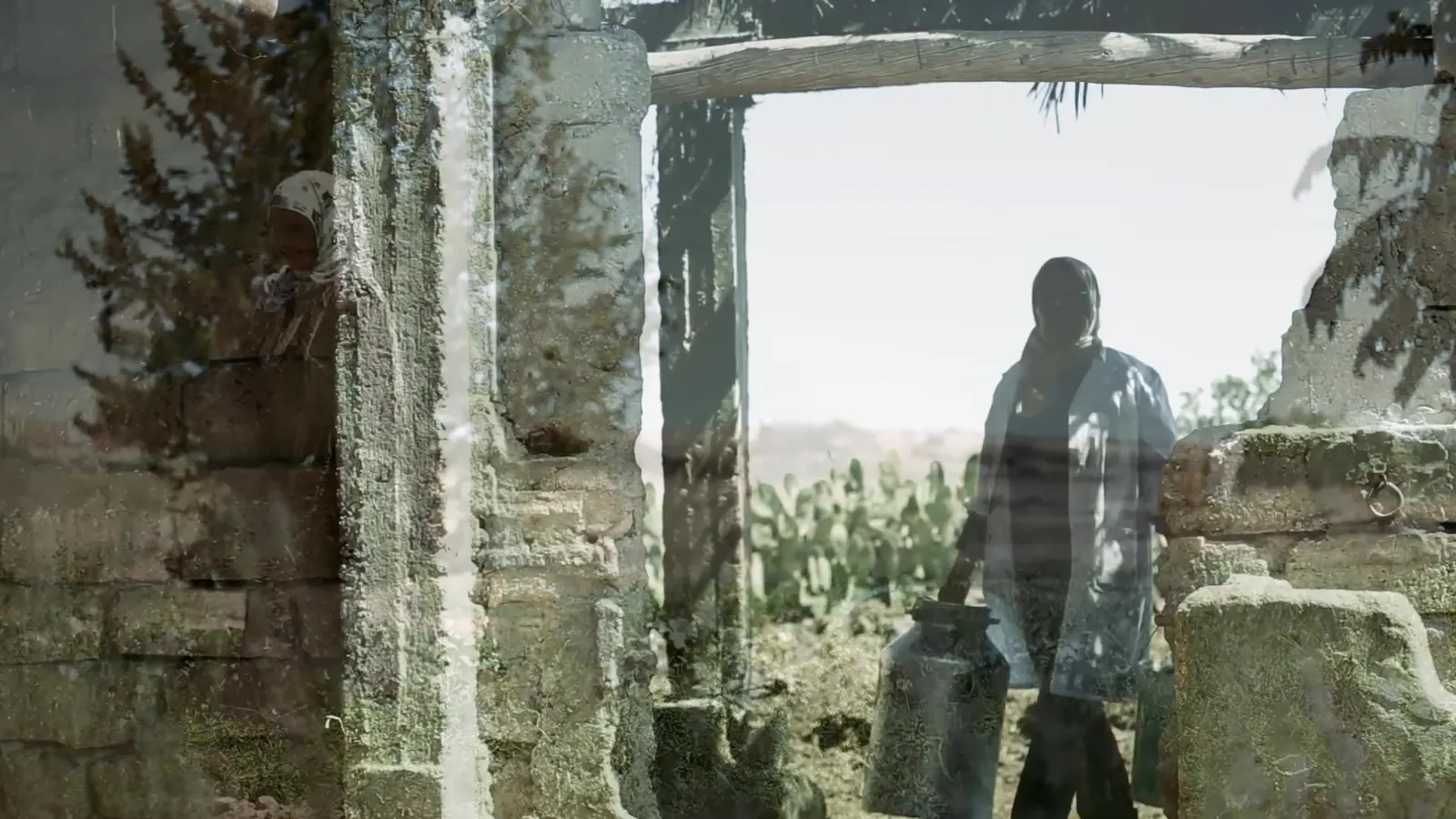
A regional impact film for the International Planned Parenthood Federation, Arab World Regional Office, showing what support from the Arab Fund for Economic and Social Development made possible in Sudan, Tunisia, Mauritania and Libya.
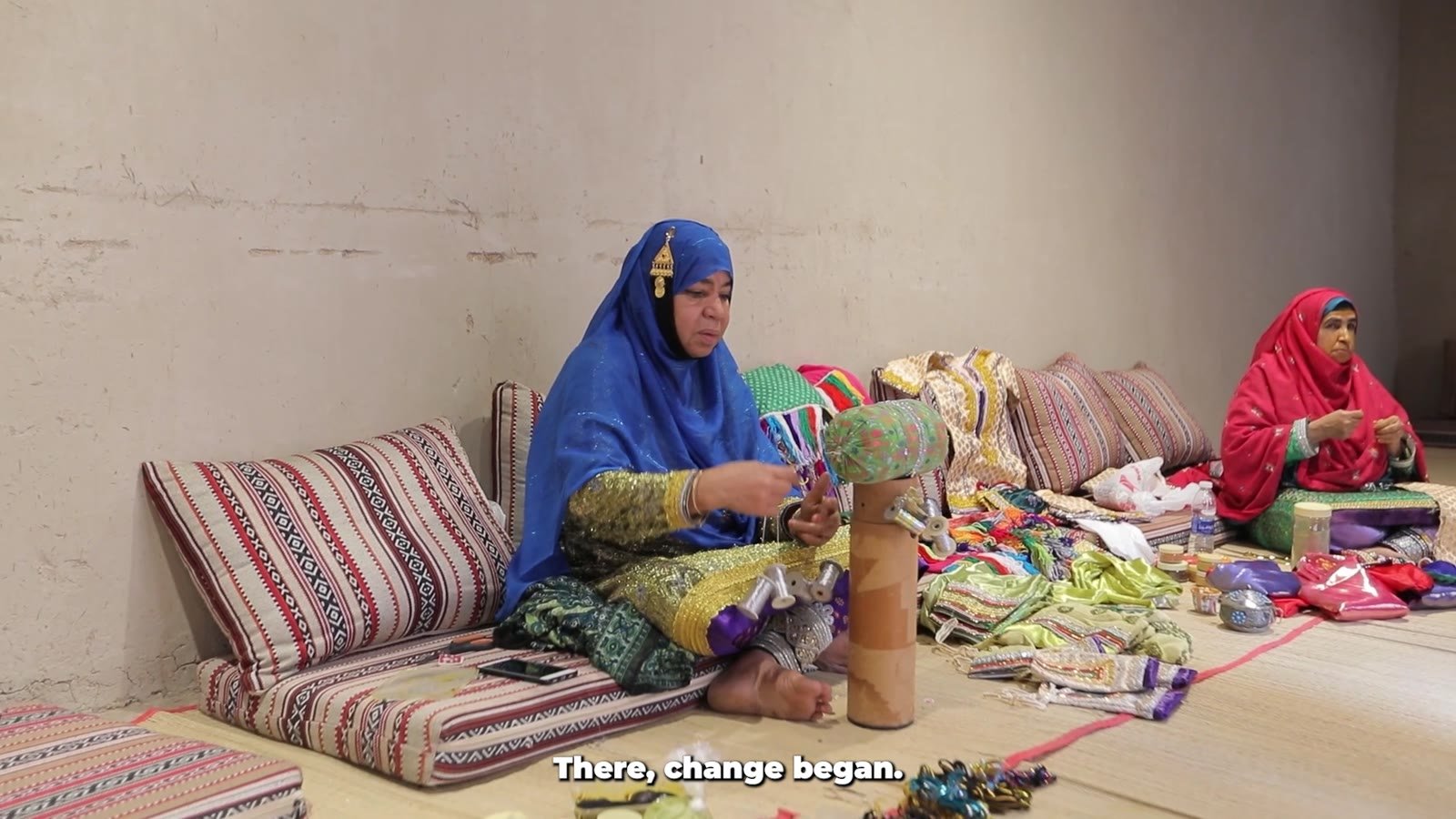
The film opens on people before logos: women receiving care, health workers preparing for the day, women running their own small businesses, and mobile clinics reaching communities far from the nearest health facility. It focuses on change rather than meetings, and closes on one idea: investing in people is an investment in a healthier, more empowered and more prosperous future.
- ClientIPPF Arab World Regional Office
- WithArab Fund for Economic and Social Development · SFPA Sudan · ATSR Tunisia · AMPF Mauritania · CAWTAR
- FormatDocumentary film, 2:37, Arabic with English subtitles
Everything your teams need from one field visit
Each assignment is planned around where the material will be used: the annual report, the donor update, the grant application, the campaign, the impact films and the social feed.
- Captioned photo setsEdited selections with accurate captions, names (where consent allows), locations and dates, with consent records provided alongside the images.
- Metadata-tagged filesCaptioned, metadata-tagged files, organised and ready to file in your image library.
- Impact filmsShort documentaries from 1 to 5 minutes, with interviews, field footage, music and a clear narrative arc.
- Donor and report selectsA curated set sized and graded for print reports, grant applications and presentations.
- Social cutdownsVertical and square edits for Instagram, LinkedIn and X, framed for mobile on location.
- Subtitles and versionsArabic and English subtitles, with versions for partners and co-funders.
Consent is the first frame
Photographing displaced people, patients, children and workers carries responsibility. These are the standards I apply as a humanitarian photographer on every assignment, and I am happy to work within your own safeguarding policy.
Informed consent
Every adult is told who the images are for and how they will be used before the camera comes up. Consent records can be provided with the delivered files.
Children and vulnerable people
Guardian consent, and no identifying details where there is any risk to the person photographed.
Dignity in the frame
Eye-level portraits, no staged suffering and no images that reduce people to their circumstances.
Time before pictures
Subjects are photographed only after time is given. The best stories come from people who chose to share them.
Truthful captions
Nothing staged or misrepresented for effect. Captions say what the frame shows, and nothing more.
Your policy first
I brief on your safeguarding and communications guidelines before fieldwork and follow UN visual standards where they apply.
Tunisia, Indonesia and the work in between

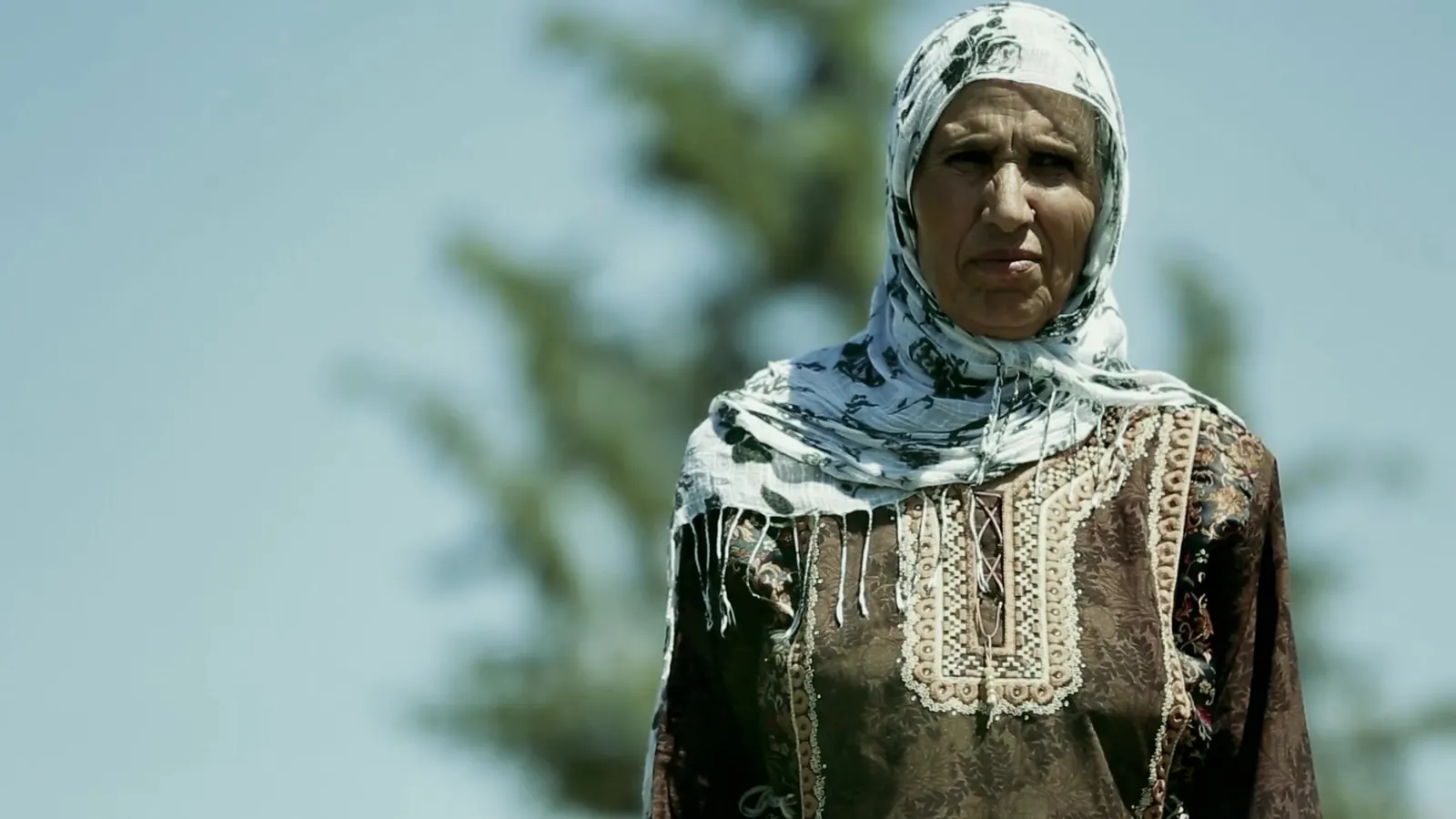

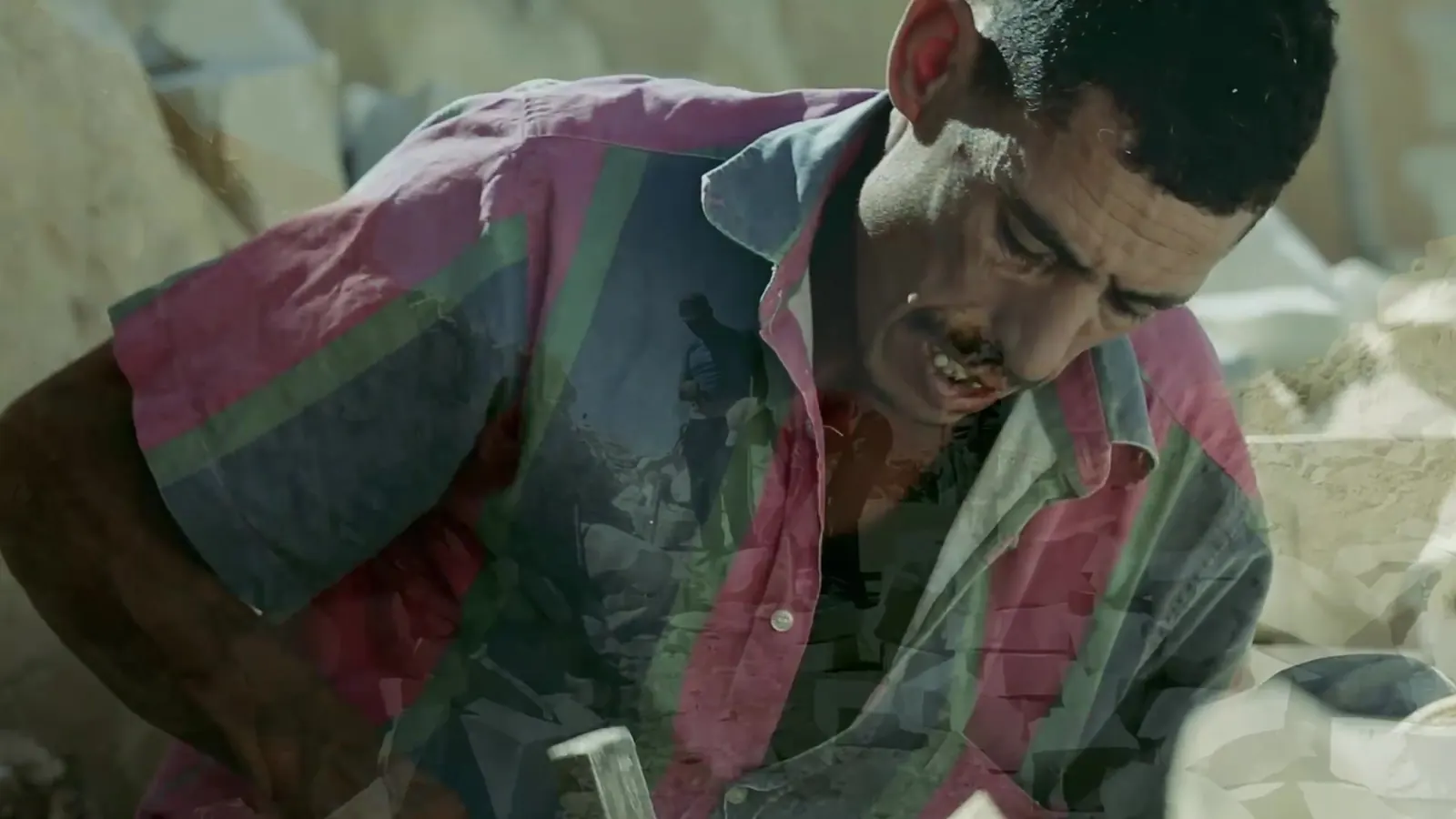


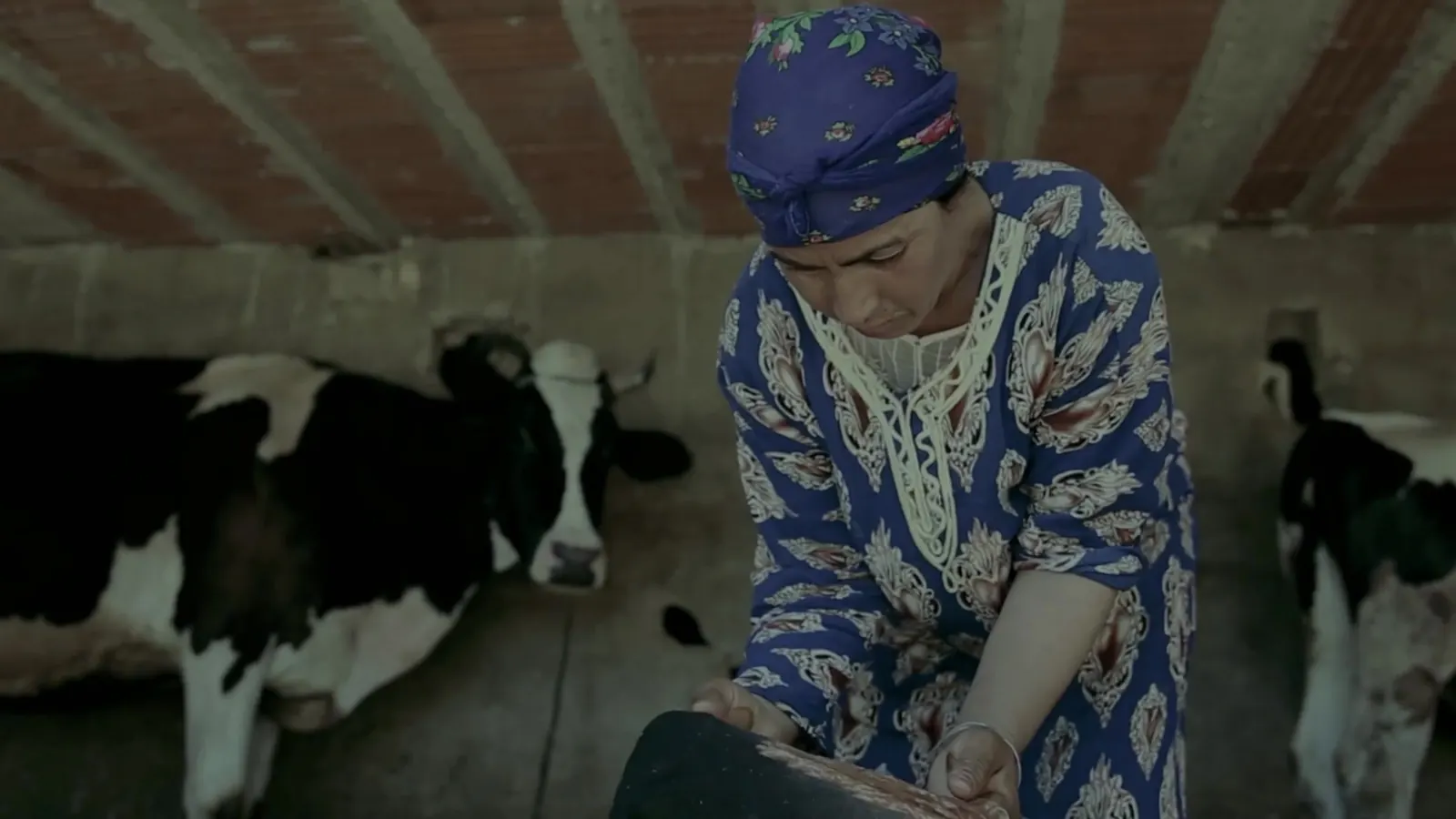

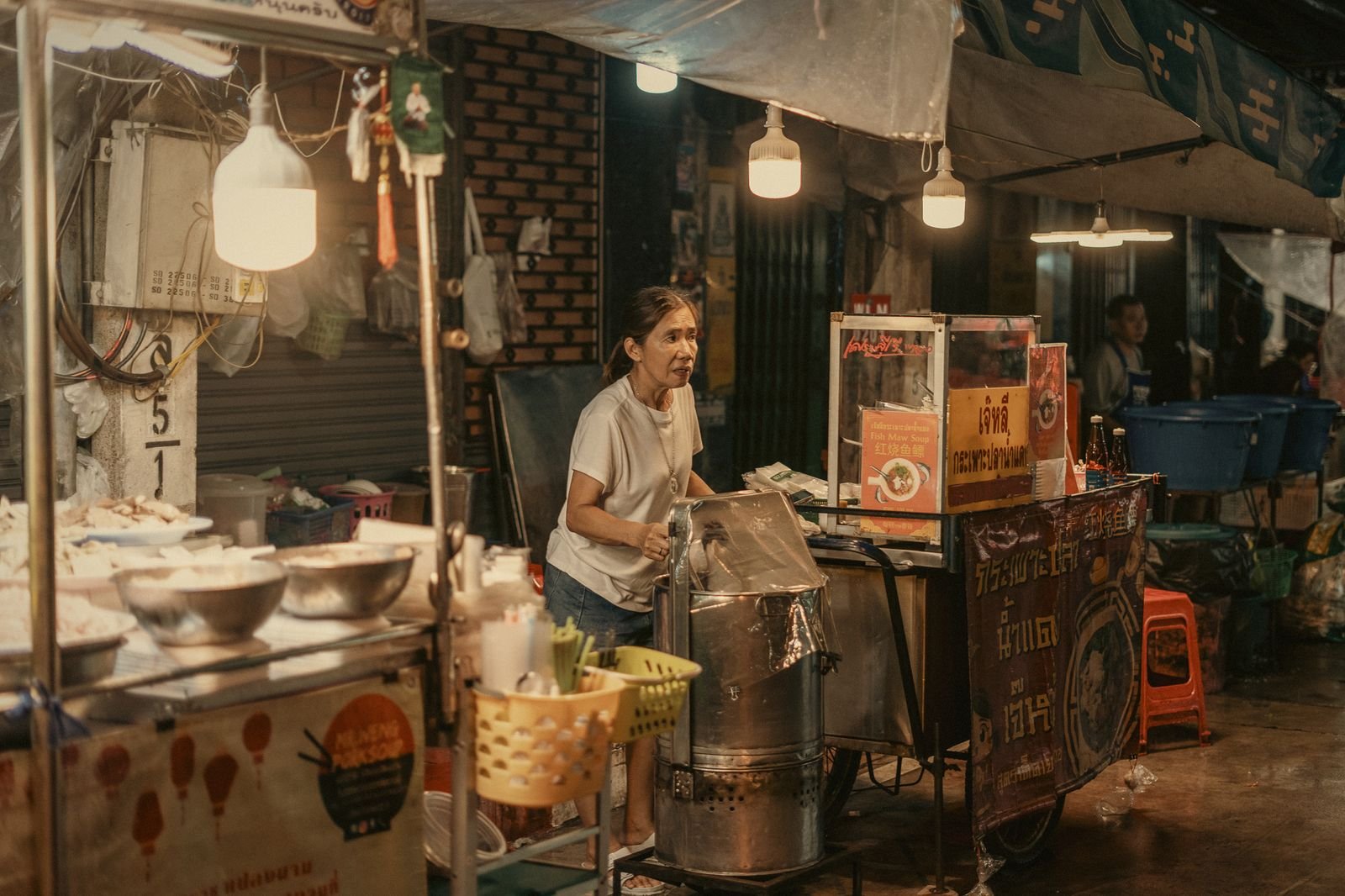
Bali, Vietnam and Thailand: the same patience, a different shore
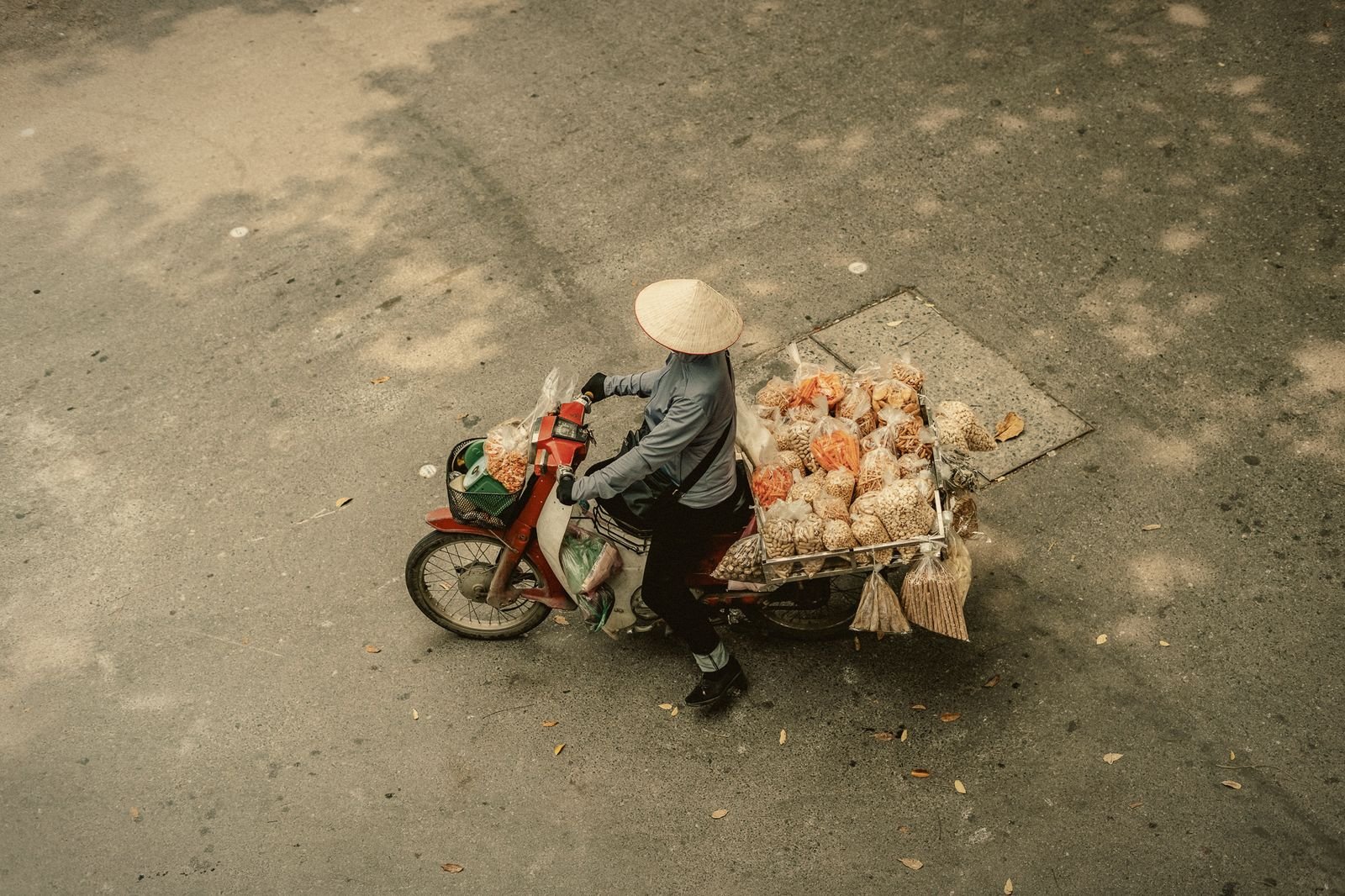
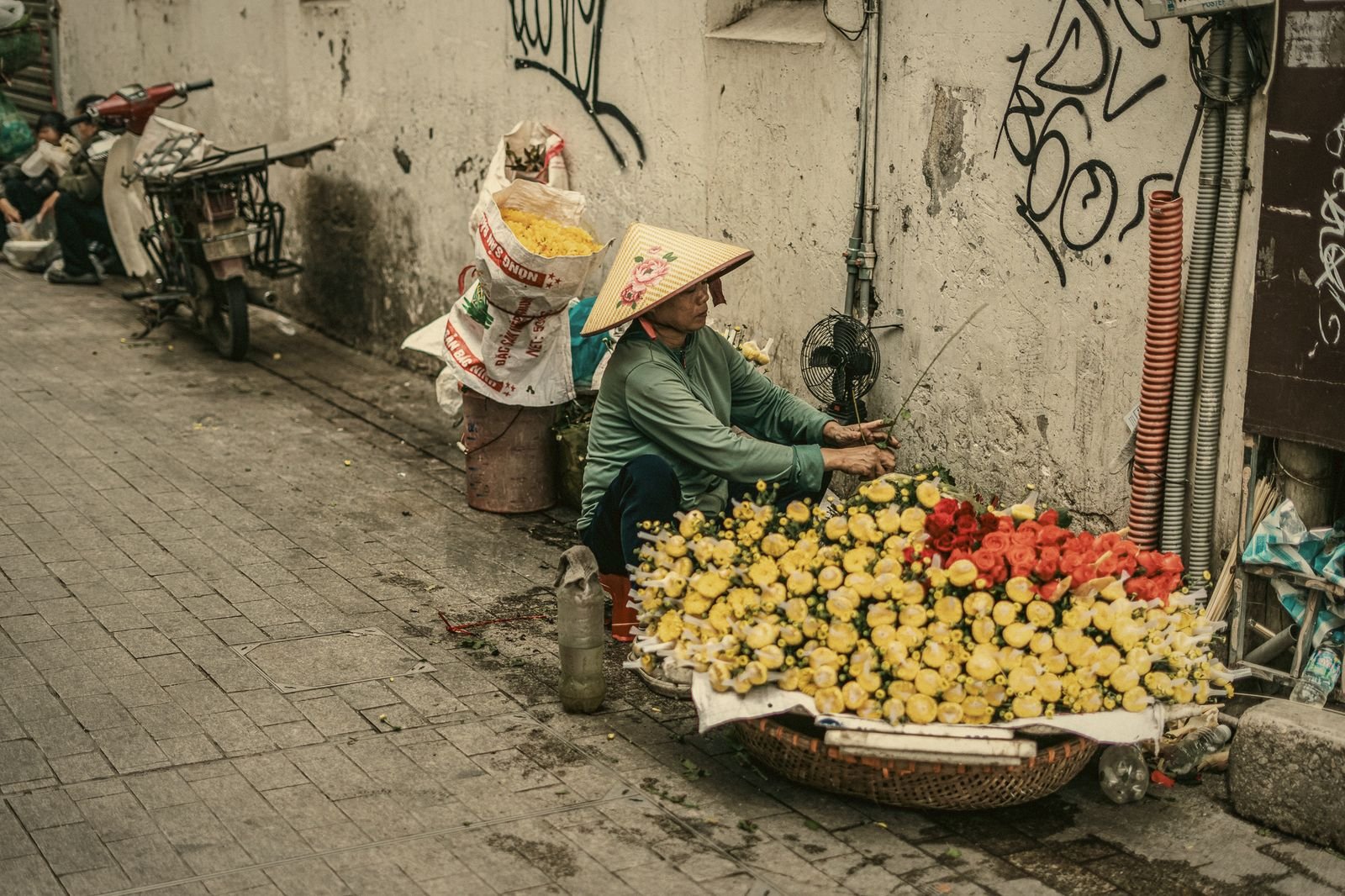
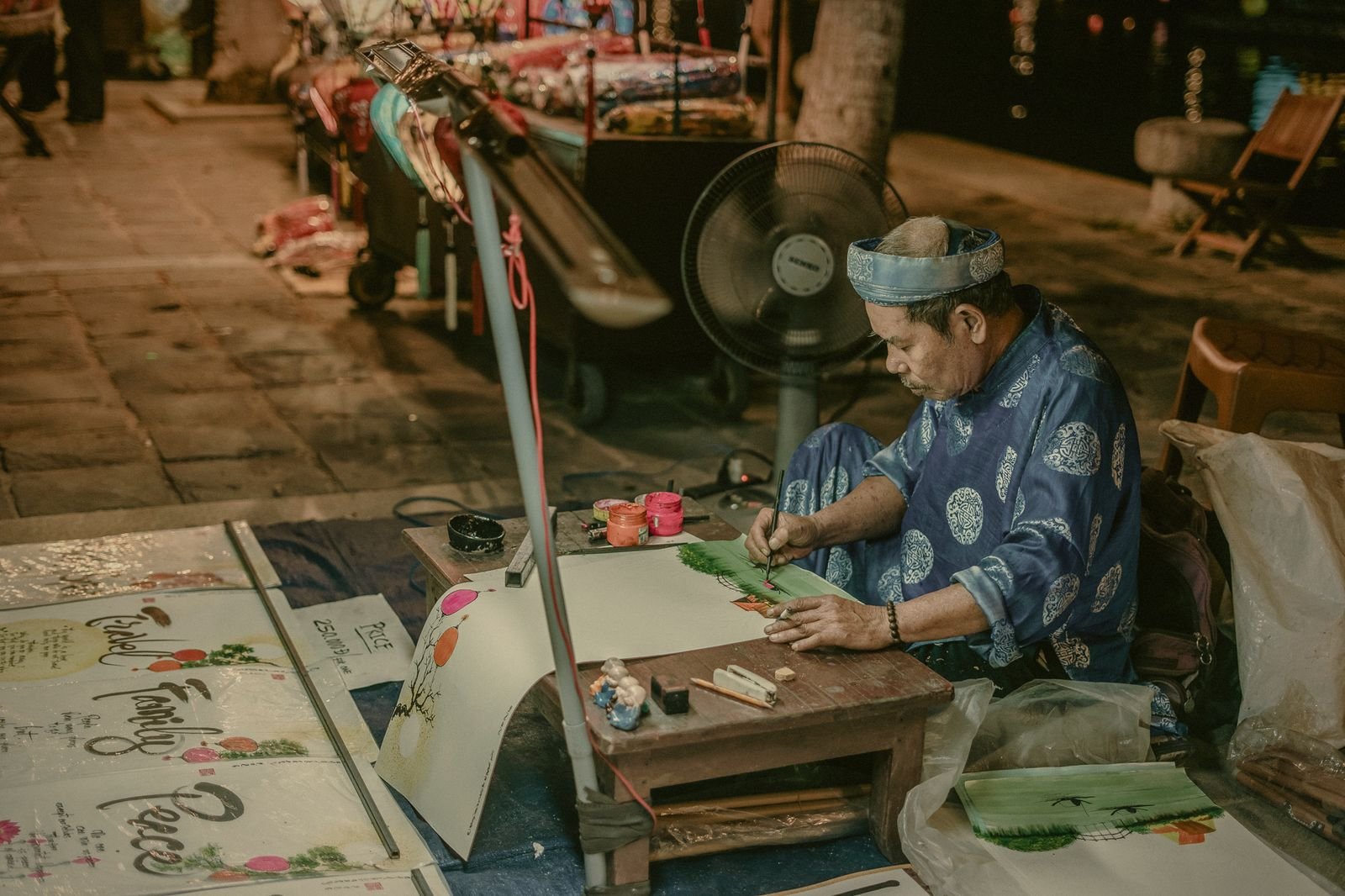
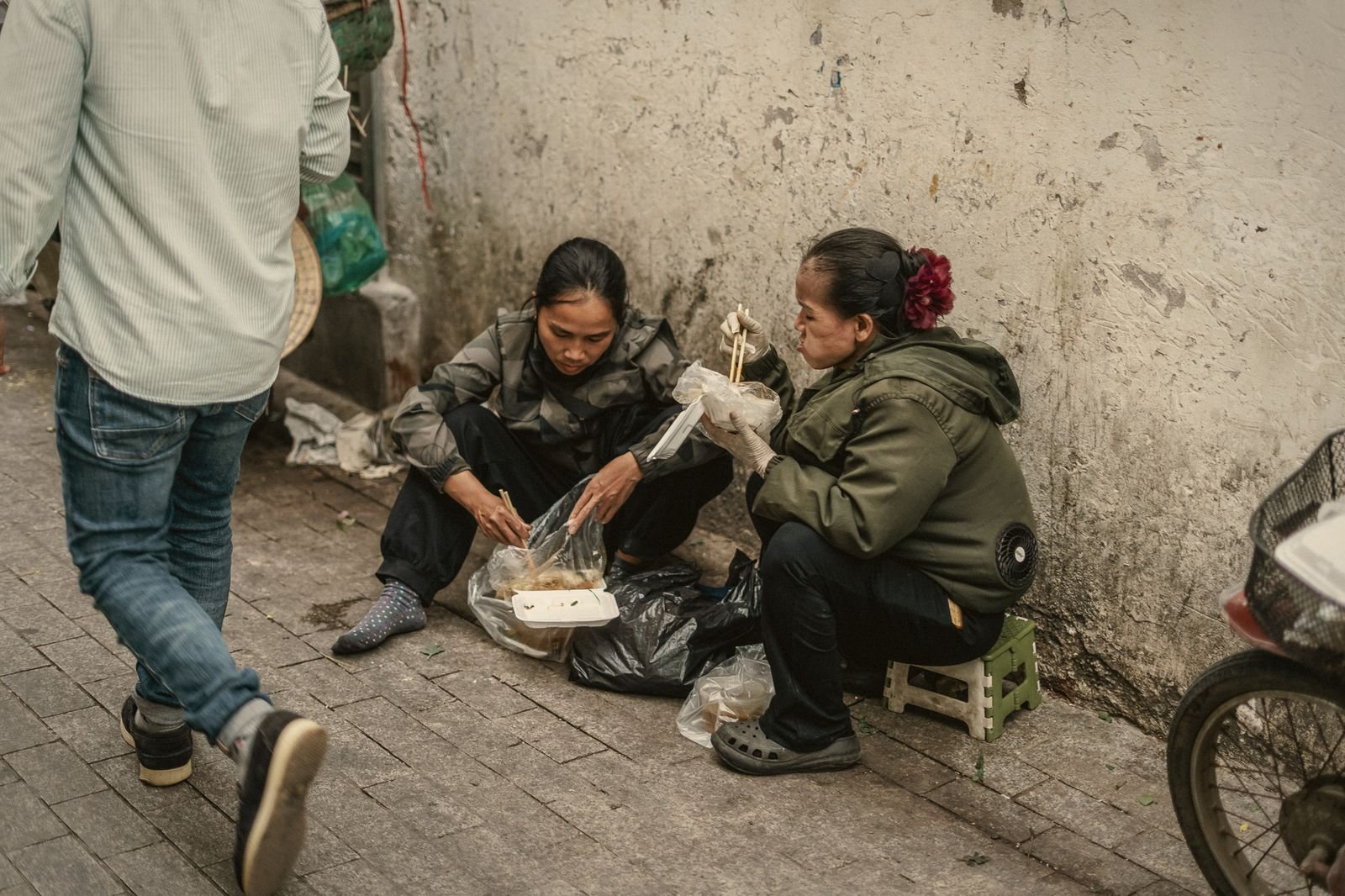
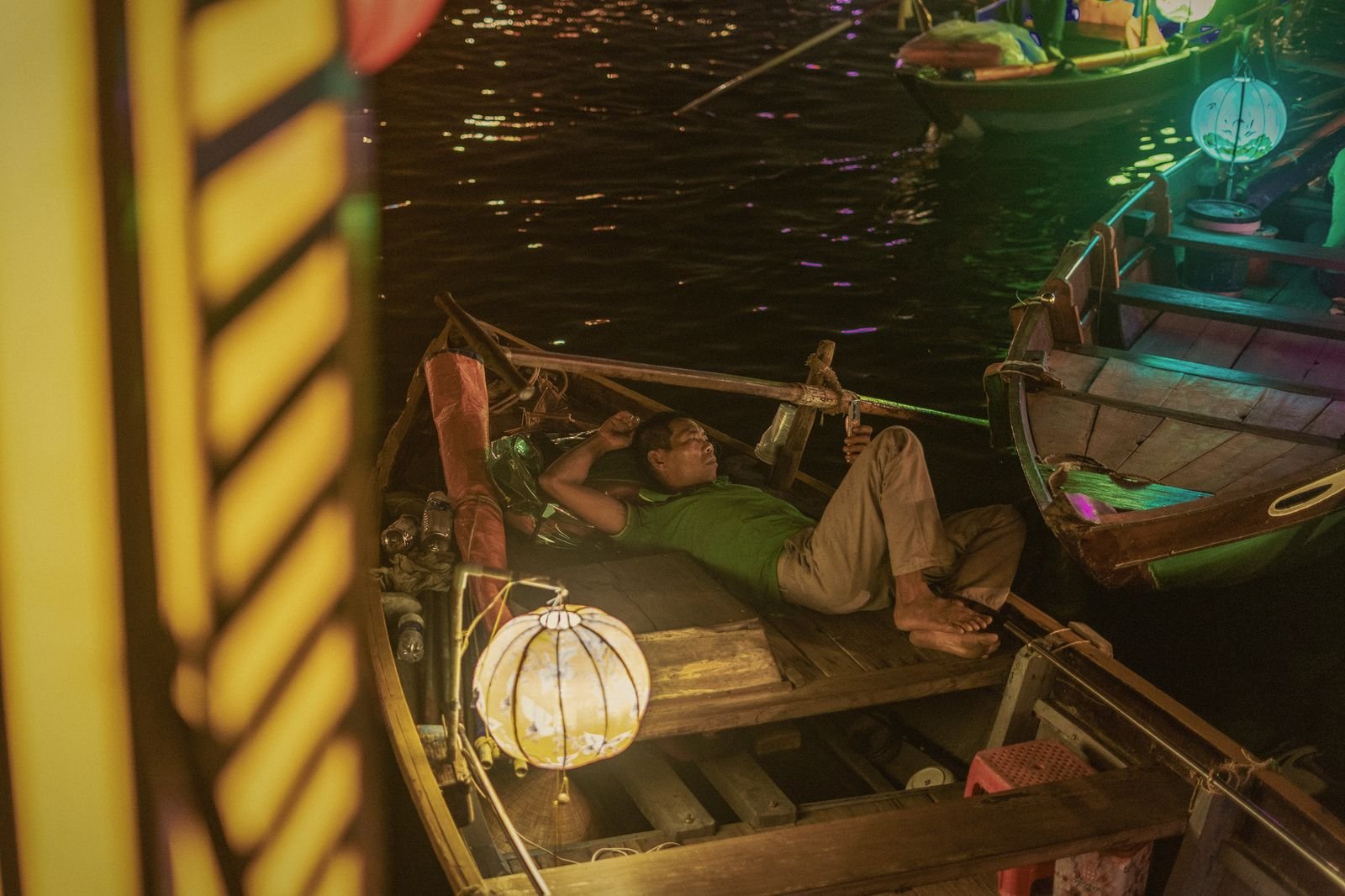
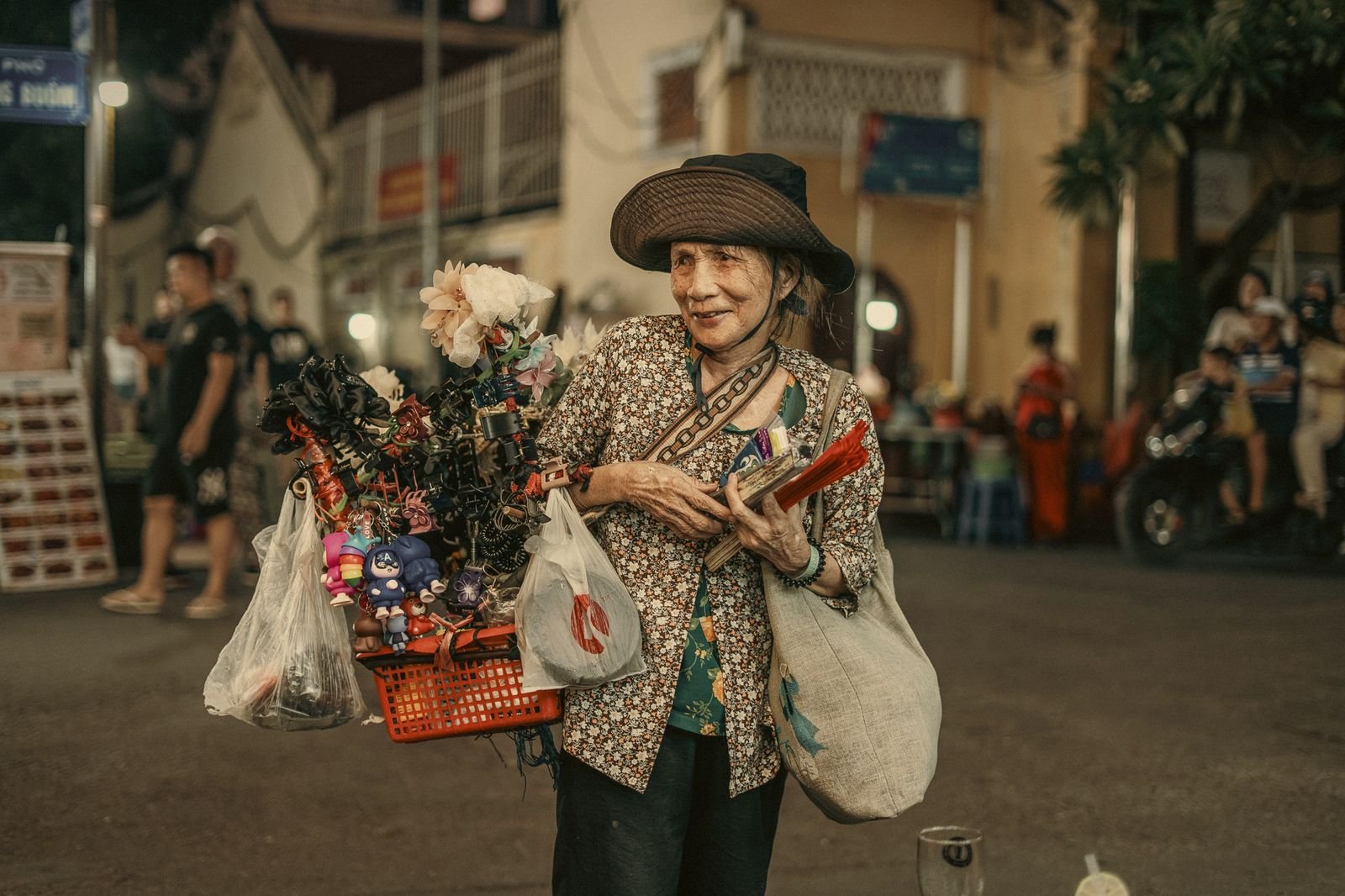
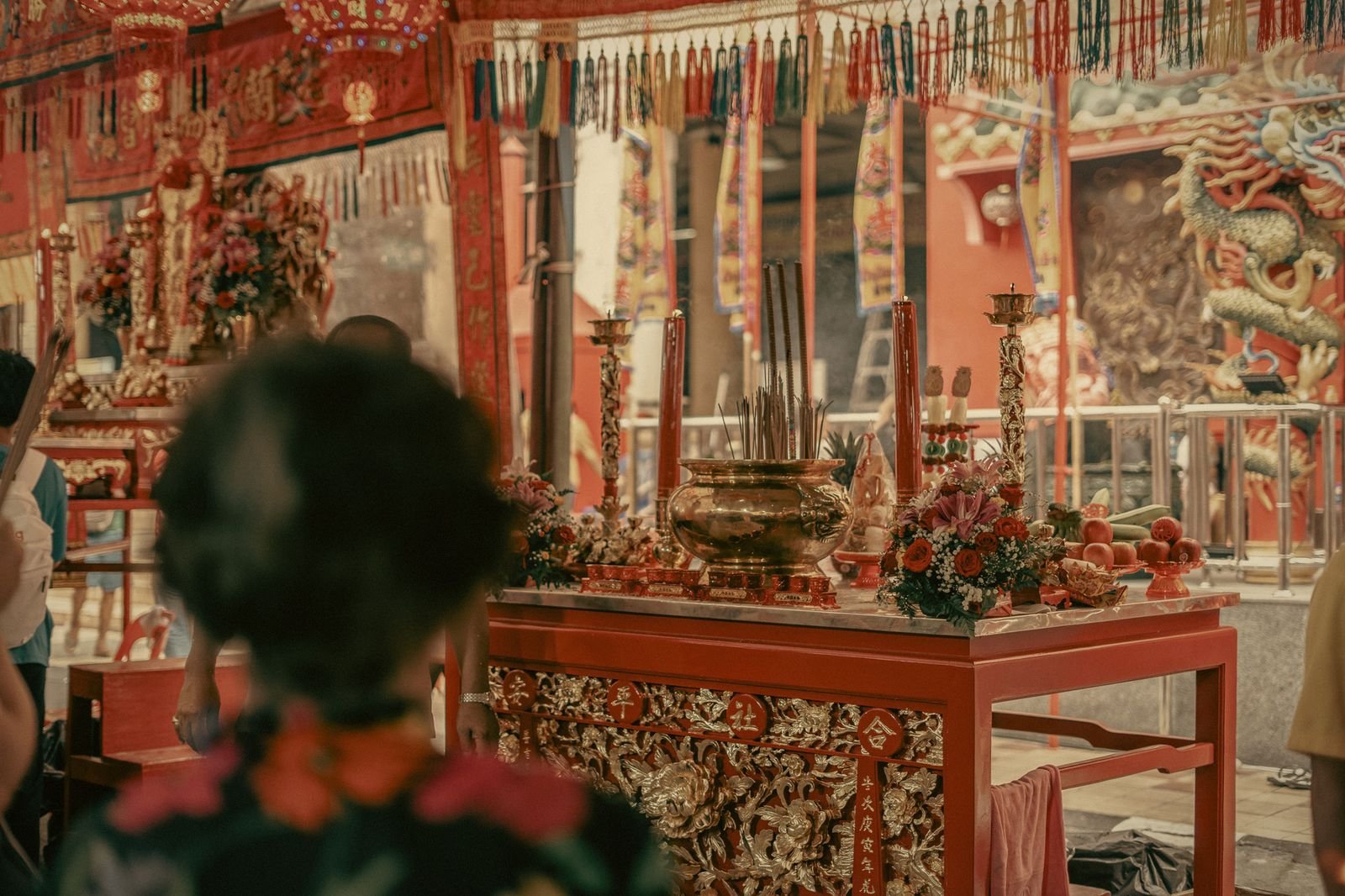
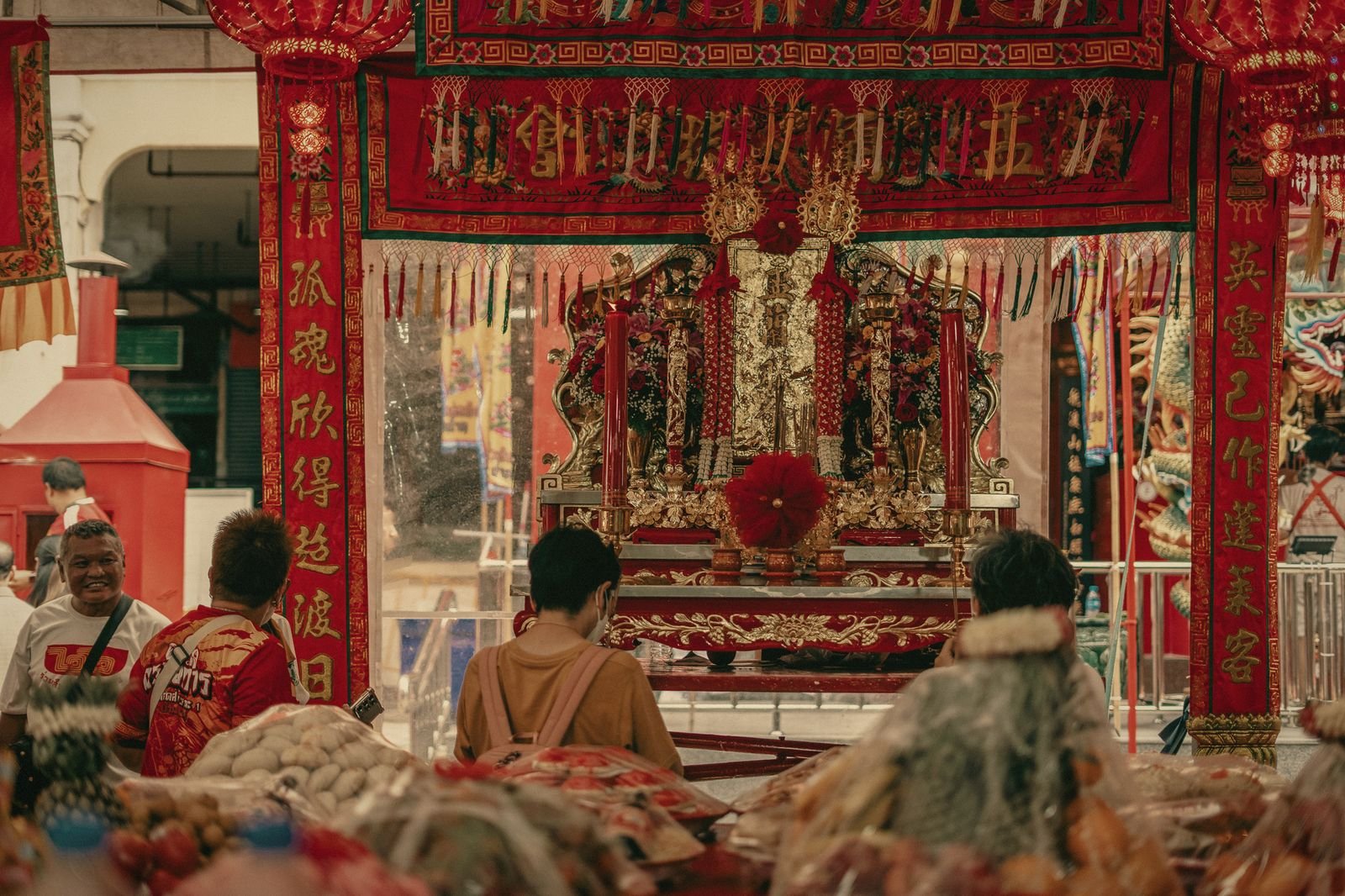
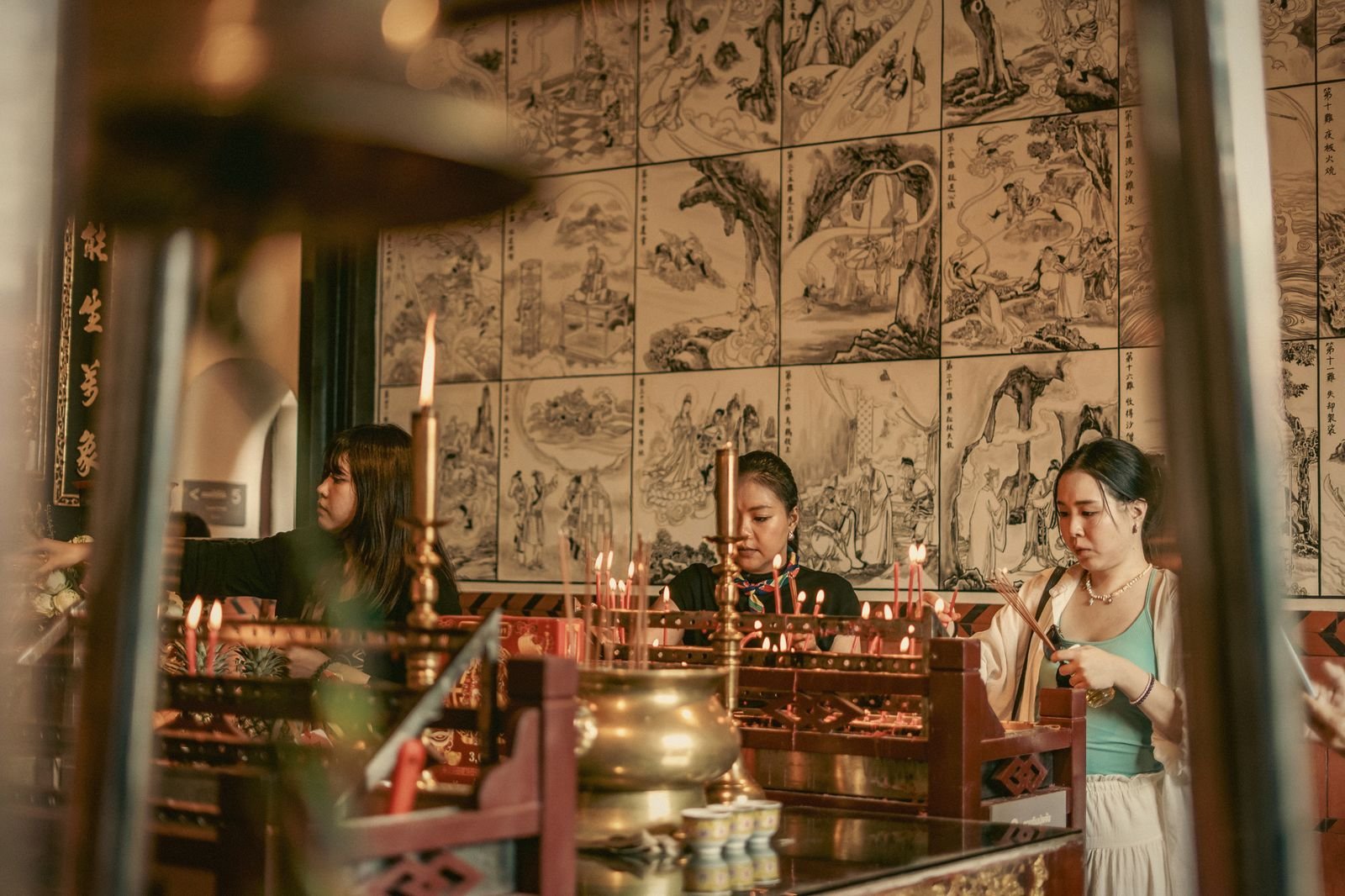
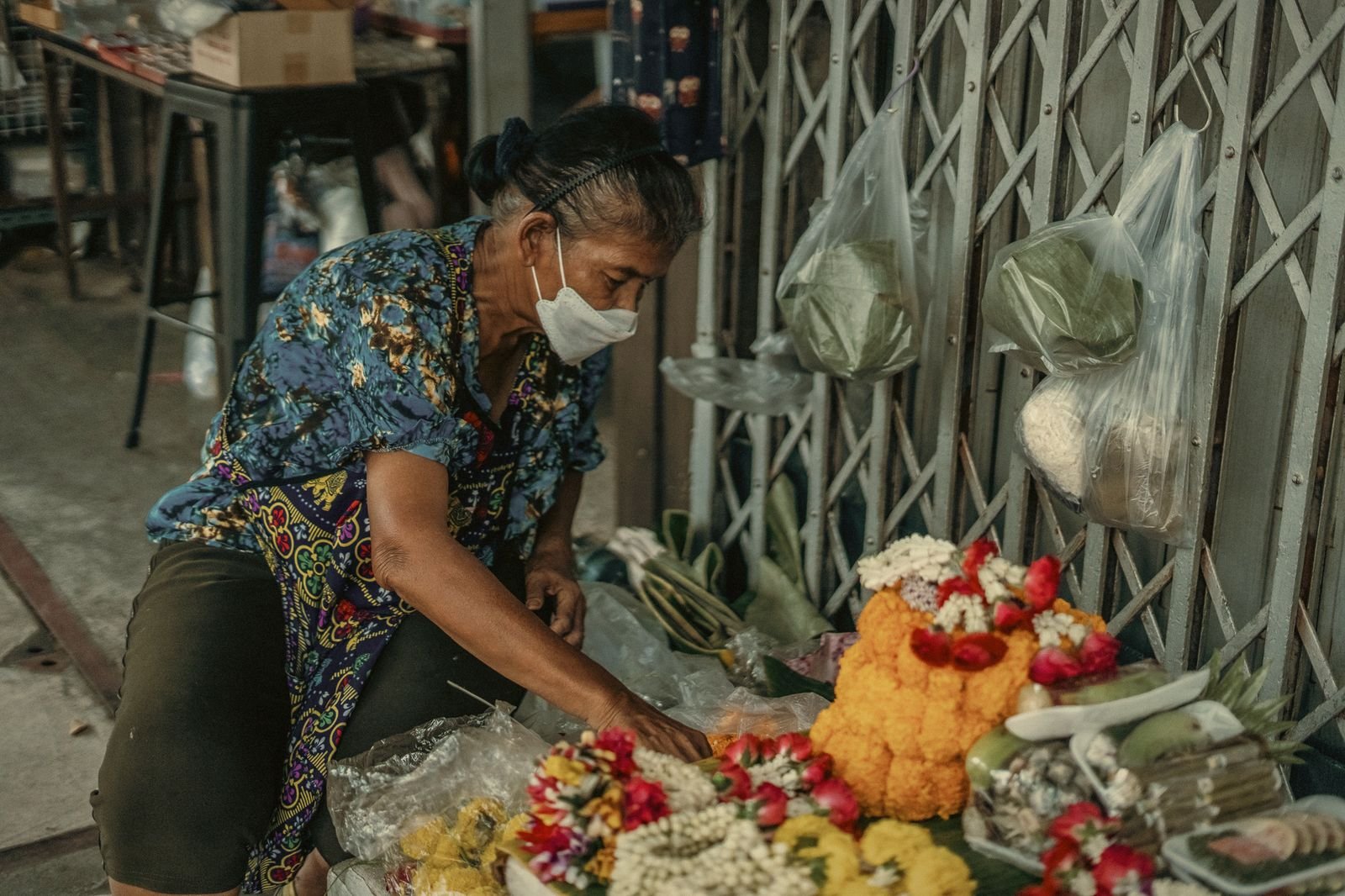
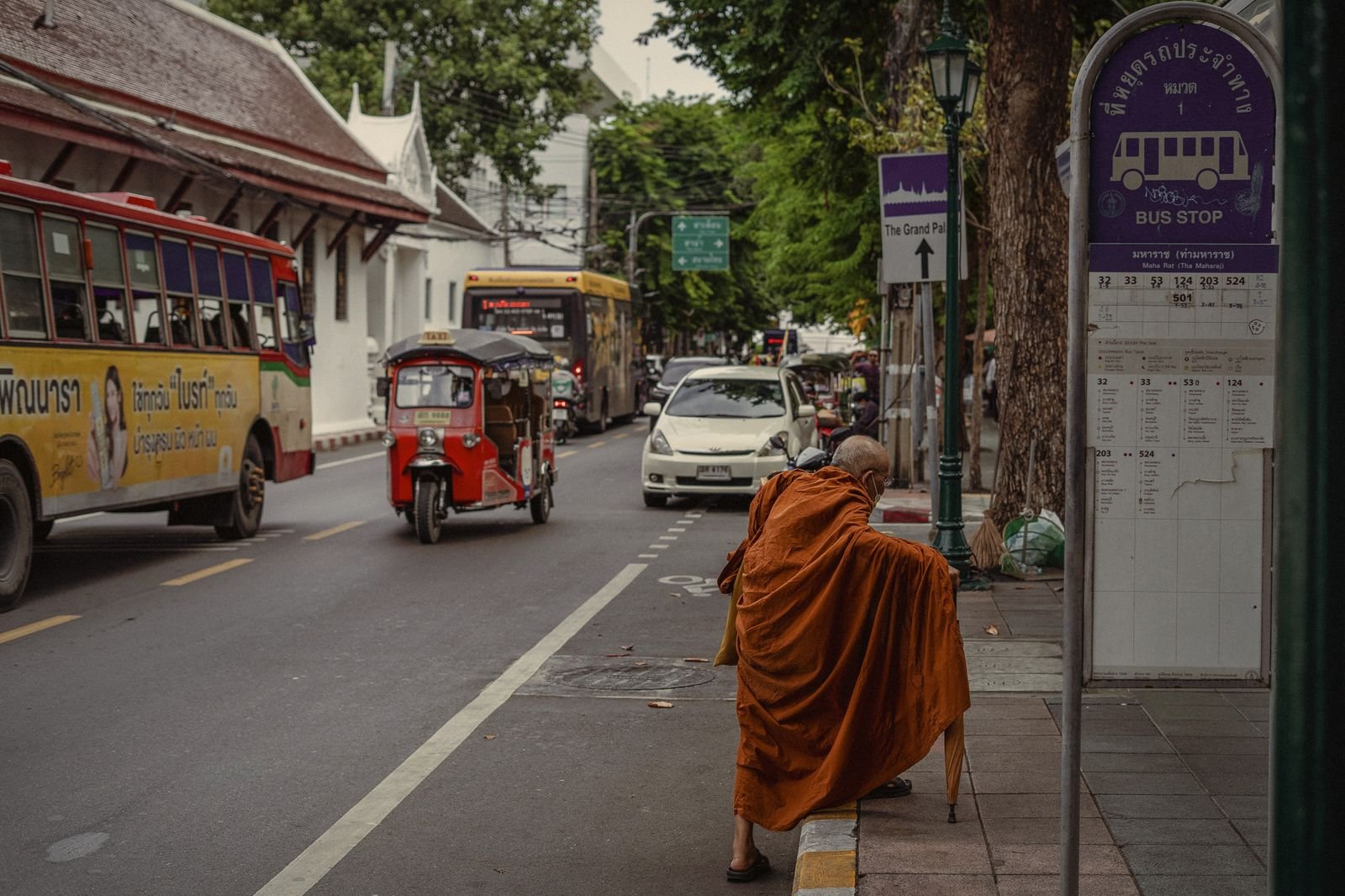
Alongside my work as a humanitarian photographer, I make cultural documentary for embassies and international publications. In Bali, the Embassy of Indonesia in Tunisia commissioned a photo report on culture and community. In Vietnam, a series across Hanoi, Da Nang and Hoi An was developed for The New York Times Magazine, ELLE Vietnam and Condé Nast Traveller UK. In Thailand, I documented festival and street life in Phuket and Bangkok for the same Thailand and Vietnam series.
The method does not change with the country: time before the camera comes out, consent always, and pictures made at eye level.
See the full Thailand and Vietnam series · Documentary practice
Swipe or scroll · Vietnam and Thailand
Calm, prepared, on deadline
Brief
We agree the story, the people and programmes to feature, the outputs and your safeguarding requirements.
Field plan
Access, permissions, local partners, fixers, travel and a schedule that respects beneficiaries’ time.
Fieldwork
Photography, interviews and impact films in one visit, with consent recorded on site.
Delivery
A captioned preview selection within days of fieldwork, then the full edited set and films on an agreed timeline.
NGO photographer & video production: planning a field assignment
Field days are expensive, for you and for the communities you work with. Every hour a participant spends in front of a camera is an hour away from work, family or care, so the real planning happens before anyone travels. These are the questions I work through with communications teams before an assignment, and they are worth answering whichever NGO photographer you hire.
Start from the outputs
List every place the material will be used: the annual report, the donor update, a grant application, a campaign, social media, an internal learning product. Each needs something slightly different. A report needs wide, contextual frames and accurate captions. A campaign needs one or two strong portraits. Impact films need interviews, sequences of real activity and enough footage to build a narrative arc. Knowing this before fieldwork is what lets one visit cover all of it.
Choose stories, not only sites
A site visit gives you pictures of a site. A story gives you a person, a change and a reason to care. Work with programme staff to identify two or three people who are willing to share their experience, and build the schedule around them, with time to meet before anything is recorded. As a humanitarian photographer, I would rather spend a full day with one family who chose to take part than photograph ten activities in passing.
Plan access and permissions early
Many locations need approval from ministries, local authorities, partner organisations or facility managers, and some need it in writing. Clinics, schools and shelters have their own rules about who and what can be photographed. I build these into the field plan with your country team and local partners, and I ask early about anything that must not be shown, such as certain faces, specific locations or identifying signs.
Align with your standards
Most agencies already have a visual identity, a safeguarding policy and a consent process. Share them before fieldwork. I adapt to them rather than the other way round. Where an organisation is newer and still building its policies, I can share the consent approach I use as an NGO photographer and help shape a simple workflow that protects both the people photographed and the organisation.
Framing the work in global goals
Many programmes report against the UN Sustainable Development Goals, and it helps when the visual story speaks the same language as the report. For the International Labour Organization, the films I made in Tunisia focused on decent work, vocational training and youth employment, themes at the heart of the ILO decent work agenda. You can read how that project came together in the ILO decent work films case study.
How I make impact films people watch to the end
Impact films have a harder job than campaign films. They need to be truthful, they need to respect the people in them, and they still need to hold the attention of someone watching on a phone between meetings. Over many years as a documentary photographer and filmmaker, I have found that a few choices make most of the difference.
People before logos
Open on a person and a moment, not a building, a banner or a meeting room. The IPPF film on this page opens on people for exactly that reason. Logos and partners belong at the end, where they are remembered alongside the story rather than instead of it.
Change, not activity
A workshop is an activity. A woman who now runs her own small business is a change. Interviews are planned around what is different now, told in the person’s own words, and the footage shows that change in daily life. This is the single most useful shift I suggest to teams commissioning impact films for the first time.
Short and versioned
Most impact films work best between one and three minutes. From the same footage I cut a master for events and websites, and short vertical and square versions for social, so the story reaches each audience in the form it actually watches. Partners and co-funders can receive their own versions without a second shoot.
Language and subtitles
Interviews are recorded in the language people are most comfortable speaking. Across the region that usually means Arabic, delivered with English subtitles. Speaking in their own language lets people say what they mean, and that honesty is what makes impact films credible to donors.
Photographs from the same visit
Because stills and film are planned together, the photographs in your report show the same people and places as the film. That consistency matters. When a donor reads a story, sees the portrait and then watches the film, the work feels real and joined up, which is the whole point of commissioning NGO photographer & video production as one brief.
Trusted by agencies, foundations and broadcasters
Sudan, Tunisia, Mauritania and Libya, with the Arab Fund for Economic and Social Development.
Decent-work, vocational-training and youth-employment programmes in Tunisia, to UN visual standards.
Doha. Delegate portraits, session coverage and edited highlights.
Sharjah. A programme supporting fatherless children, with 850+ beneficiaries.
Amman, Mafraq and Zarqa. Orphan welfare, psychosocial support and food security.
Doha. Education for out-of-school children and empowerment through sport.
Doha and Yemen. Programmes empowering productive families.
Doha. Programmes for persons with disabilities, with strict attention to dignity and consent.
Amman. Jordanian memory, social identity and cultural heritage workshops.
Tunisia. Youth empowerment initiatives and scholarship programme profiles.
Field reporting with correspondent Bel Trew on migration across Libya, Tunisia and Niger.
Bali. A commissioned photo report on culture and community.
Awarded for documentary work on migration
Polish Association of Local Newspapers (Stowarzyszenie Gazet Lokalnych), for documentary work on migration in Tunisia.
Tunisian Association of Alternative Media, with the Polish Association of Local Newspapers.
NGO photographer & video production: your questions
Do you travel for assignments outside Qatar?
Yes. I work across Qatar, the GCC, North Africa and the wider region, and I have field experience in Tunisia, Jordan, the UAE, Libya, Niger, Yemen and Indonesia. Travel, accommodation and logistics are quoted separately for work outside Qatar.
How do you handle consent and safeguarding?
Informed consent is obtained before photographing, and consent records can be provided with the images. Children and vulnerable people are photographed only with guardian consent and with identifying details withheld where there is risk. I follow your safeguarding policy and UN visual standards where they apply.
Can you produce both photos and an impact film on the same trip?
Yes. Planning stills and film together means one field visit, less disruption for the communities you serve and a consistent story across your report, campaign and social channels.
How quickly do we receive the images?
A captioned preview selection is usually ready within days of fieldwork, with the full edited set and the film following on a timeline agreed in the brief.
Who owns the images, and can partners use them?
Usage is agreed in the brief. Internal reporting, donor and grant materials, awareness campaigns and partner sharing can all be licensed, and the terms are written into the agreement before fieldwork.
How is an assignment priced?
By field day or by project, depending on the number of locations, travel, crew and outputs. Every assignment is quoted on its brief: send me the programme, the places and the timeline and I will reply with a clear proposal.
What should we look for in a humanitarian photographer?
Look for full stories rather than single striking frames, captions that are accurate and respectful, and a clear consent process. Ask how they work with vulnerable people and whether they can follow your safeguarding policy. A good humanitarian photographer or documentary photographer will ask you as many questions about the people as about the pictures.
Do you work in migration and displacement contexts?
Yes. My documentary work with correspondent Bel Trew covered migration across Libya, Tunisia and Niger. In these settings I follow the commissioning organisation’s protection guidance, and where relevant the principles that agencies such as UNHCR apply to people on the move, leaving out names and locations that could put anyone at risk.
Can you work as a documentary photographer in Doha for local organisations?
Yes. I am based in Doha and have worked as a documentary photographer and videographer for Qatar Foundation, the Ministry of Social Development and Family and Qatar Airways programmes, as well as for regional and international agencies.
Can one person really cover photography and impact films on the same trip?
For most programme stories, yes. I plan the day so that interviews, film sequences and portraits happen in a calm order, and I bring extra crew when the brief needs it, for example for multi-camera interviews or several locations at once.
Tell me about your programme
Share the brief, the locations and your timeline. I reply within one business day and can send a full proposal with methodology and safeguarding plan.