
The November Edit: restaurant menu photography in Doha for Zuma and Carbone
Two of Doha’s best-known dining rooms launched new menus in the same season. I photographed both on location, in the restaurants’ own rooms and their own light, so every plate looks the way a guest will meet it. Restaurant menu photography in Doha, made for the room rather than the studio.
- Clients
- Zuma Doha · Carbone Doha
- Menus
- Yashoku Night Brunch, Ebisu Lunch, new desserts · Carbone new menu
- Scope
- Menu photography on location
- Season
- November 2026
New menus need pictures that taste like the room
When a restaurant changes its menu, the photographs have one job: make the new dishes feel like they already belong to the place people love. Studio packshots on a white sweep can’t do that. Zuma after dark and Carbone at full service each have a light, a colour and a pace of their own, and the food has to sit inside it.
So both shoots happened in the dining rooms, around service, with the kitchen plating each dish at its peak and every frame composed for the menu it would sit in.
- Two restaurants, four menus, one season.
- Shot on location in available and shaped light, no studio.
- Every frame delivered and published uncropped, as composed.
Three menus, one visual language
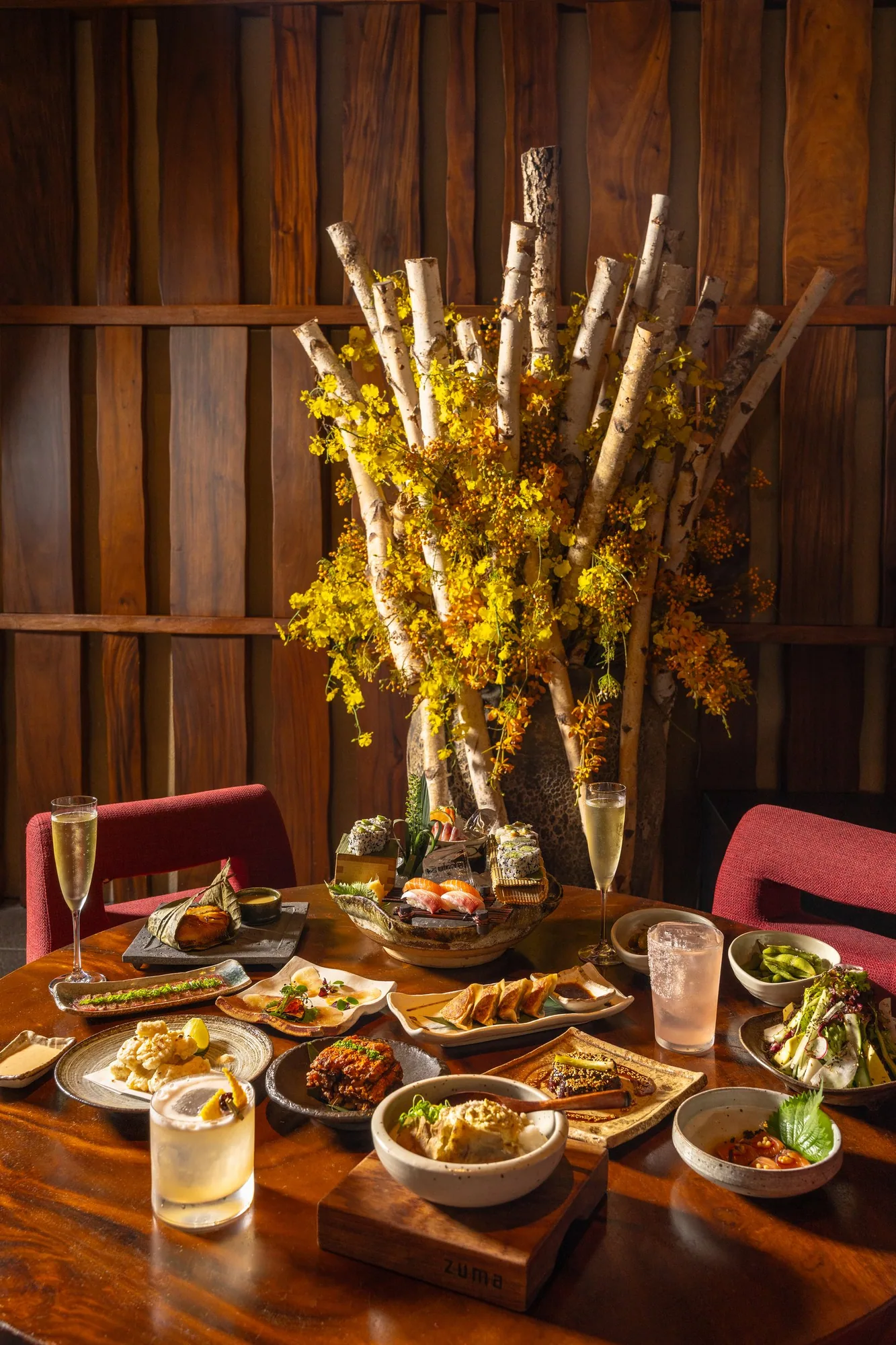
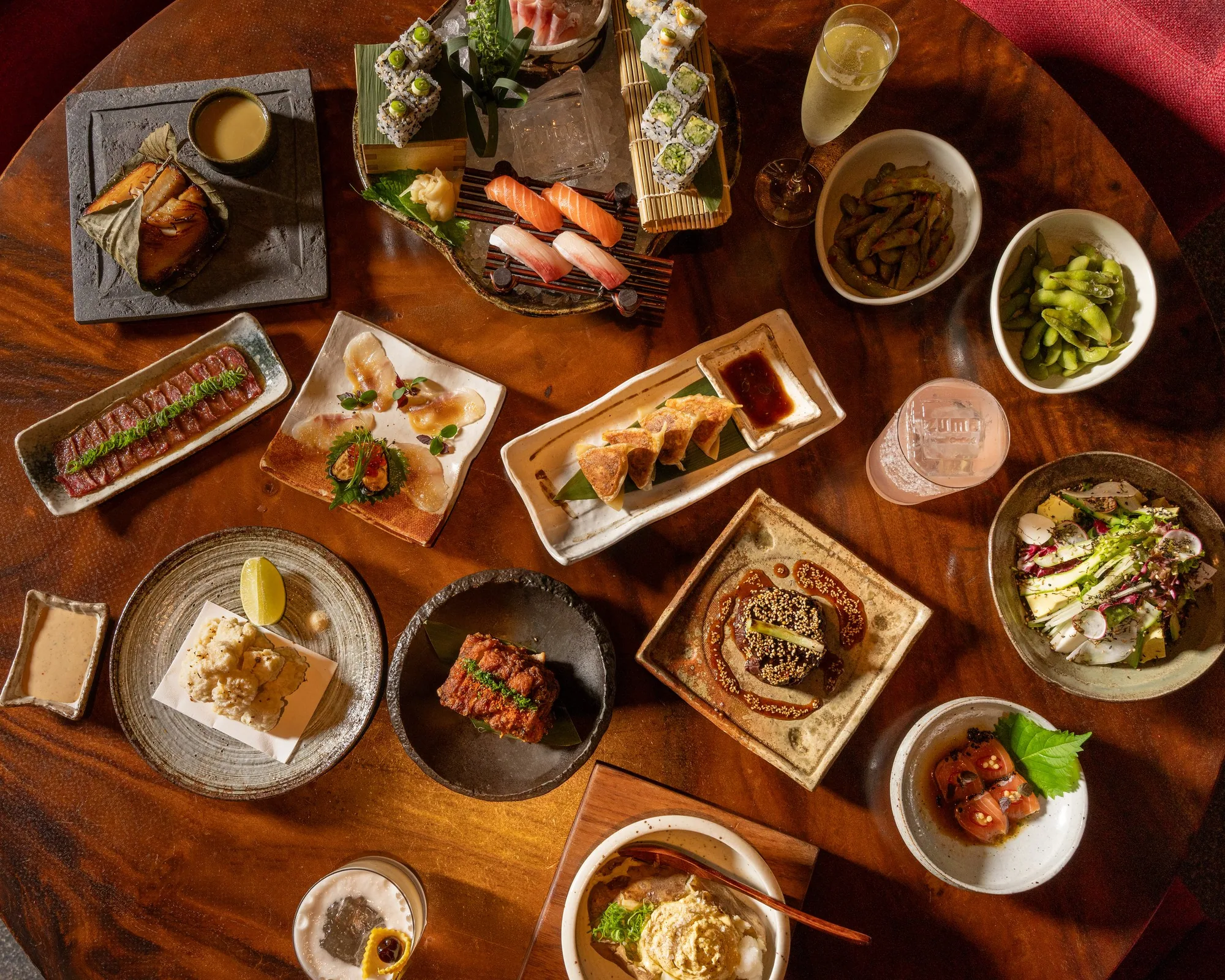
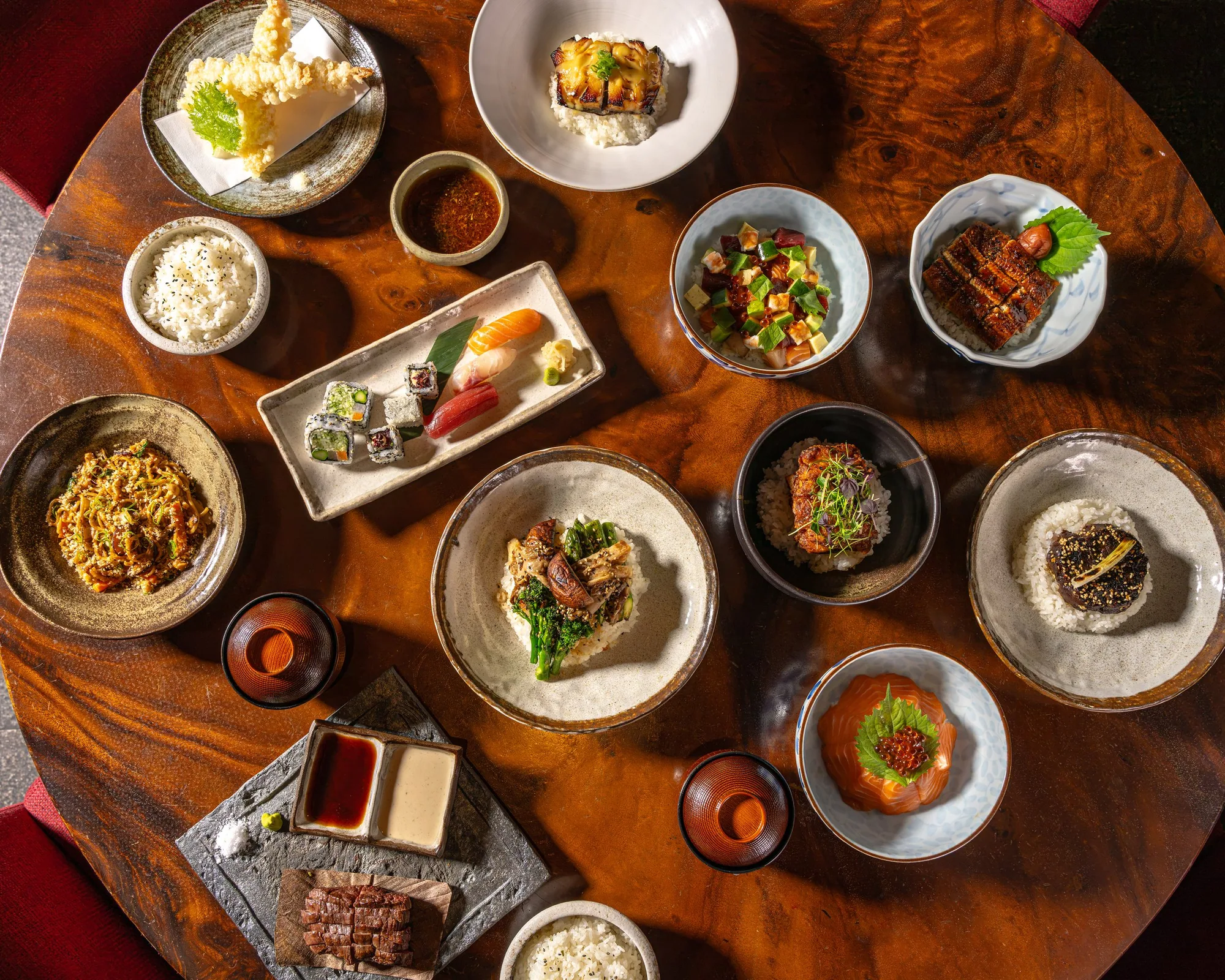
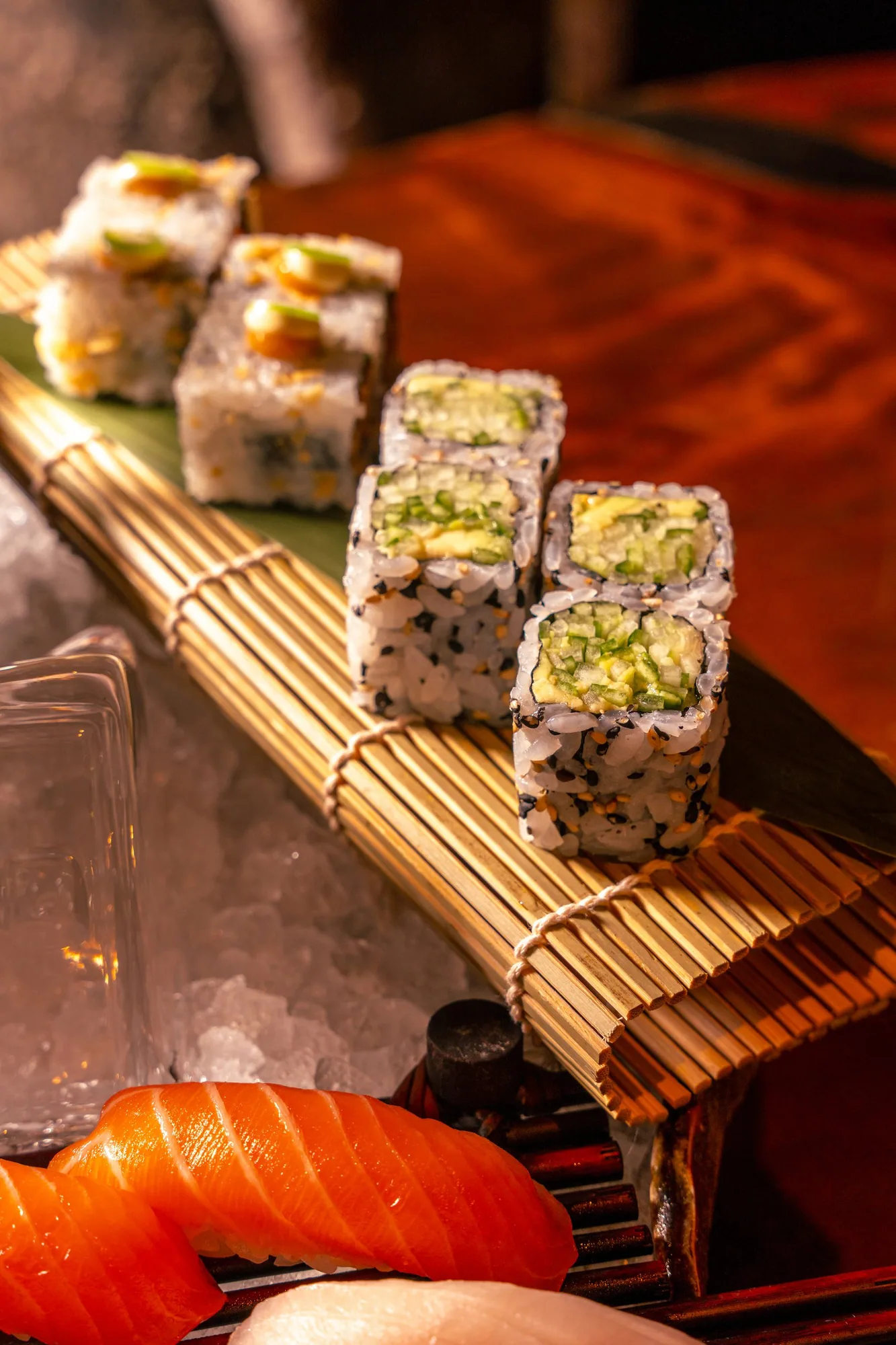
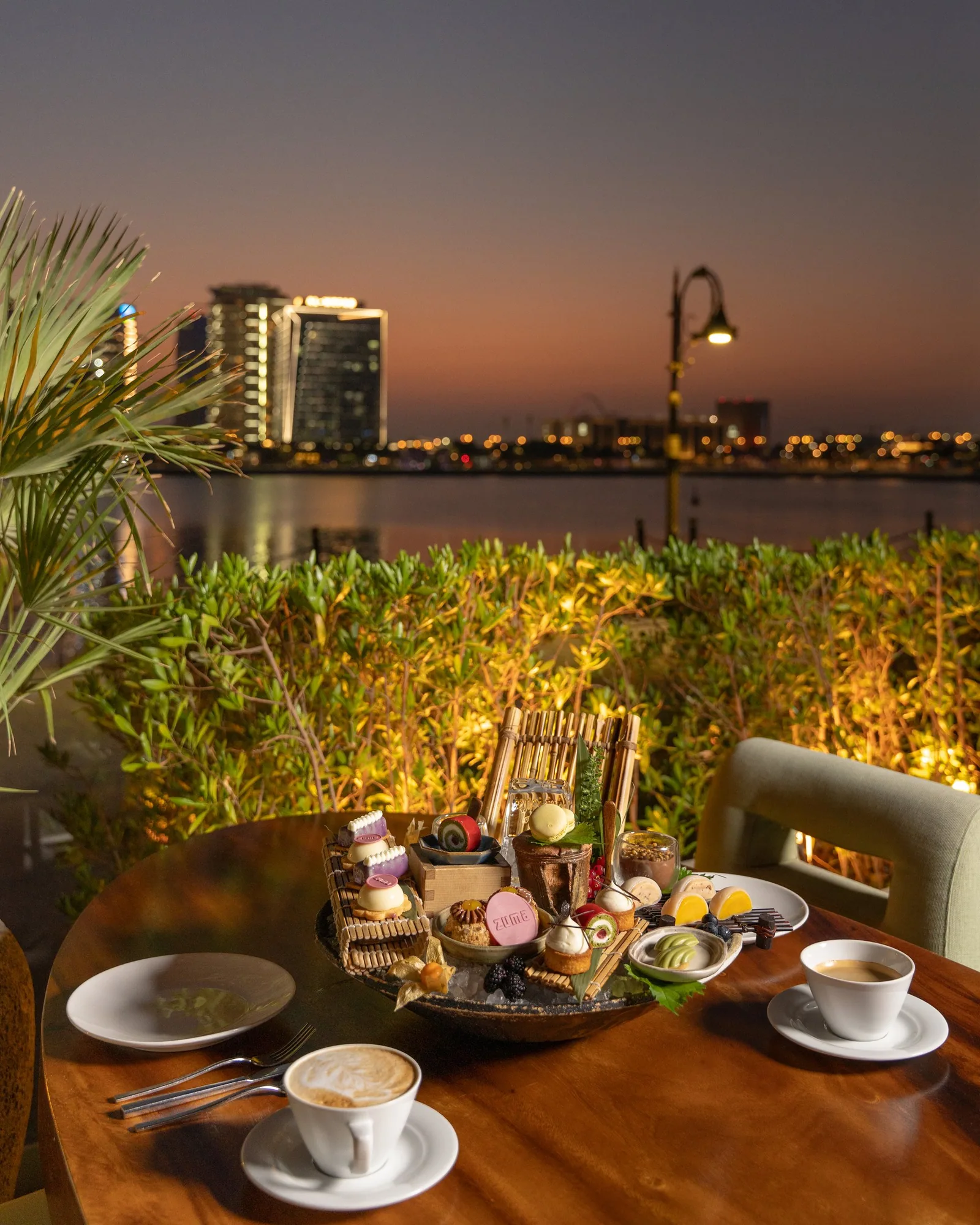
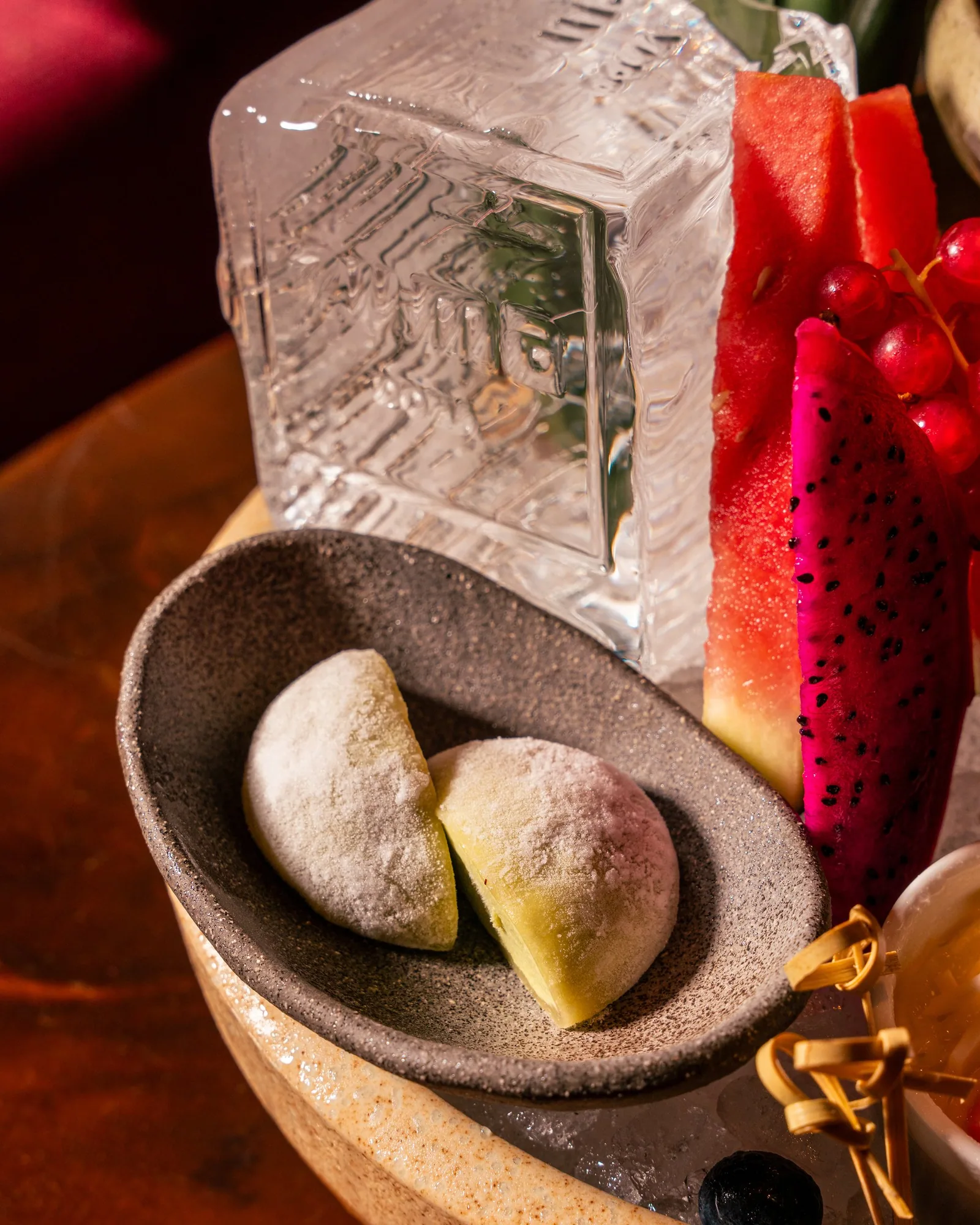
Yashoku is Zuma after dark: shared plates crowding a walnut table, warm low light, birch and orchids behind. Ebisu Lunch is quicker and brighter, every don built to be read at a glance. The new desserts went out to the terrace at sunset and let the skyline do the rest.
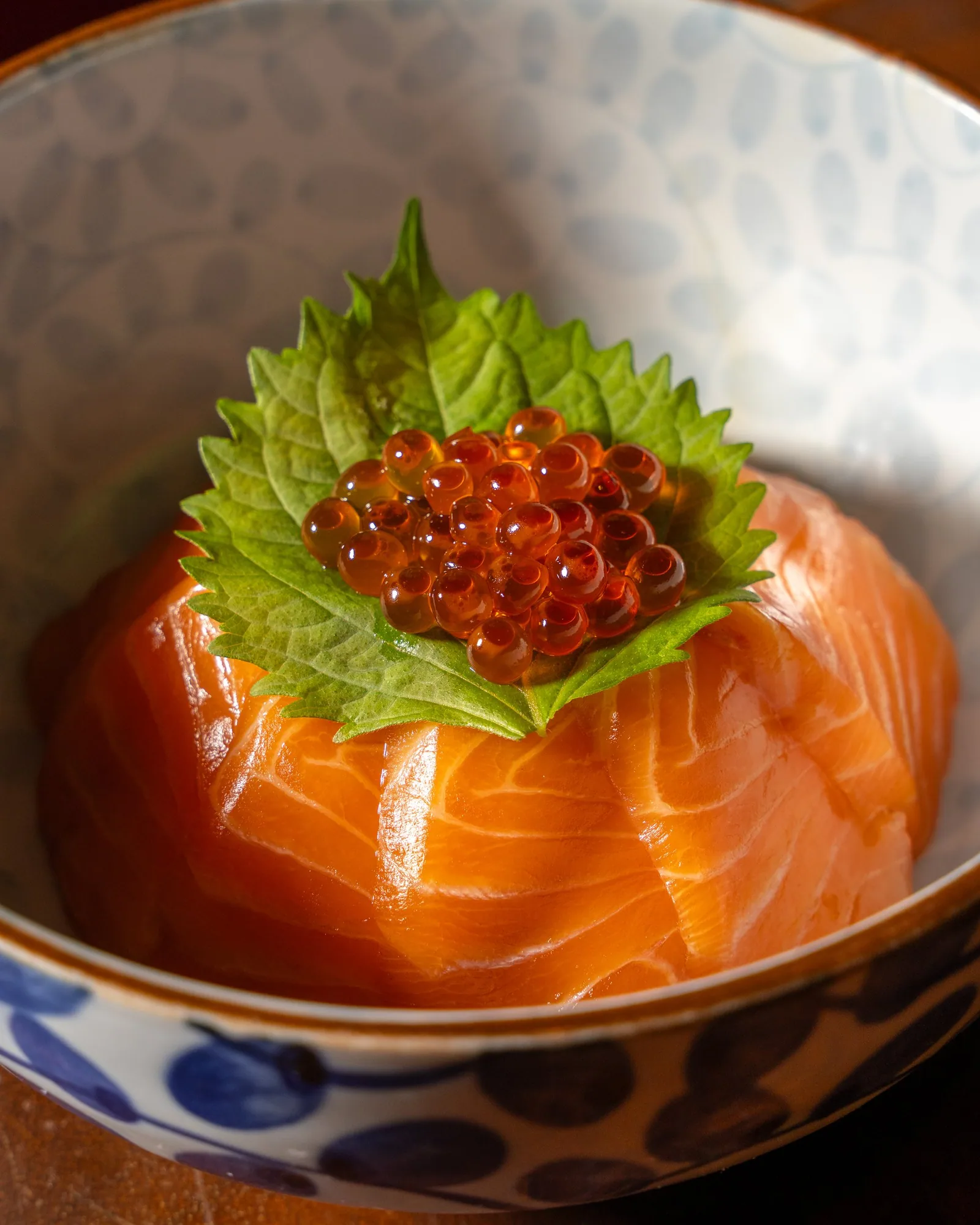
Each dish was lit for its own texture: the gloss on the black cod, the sear on the tataki, the shiso leaf standing tall over the ikura.
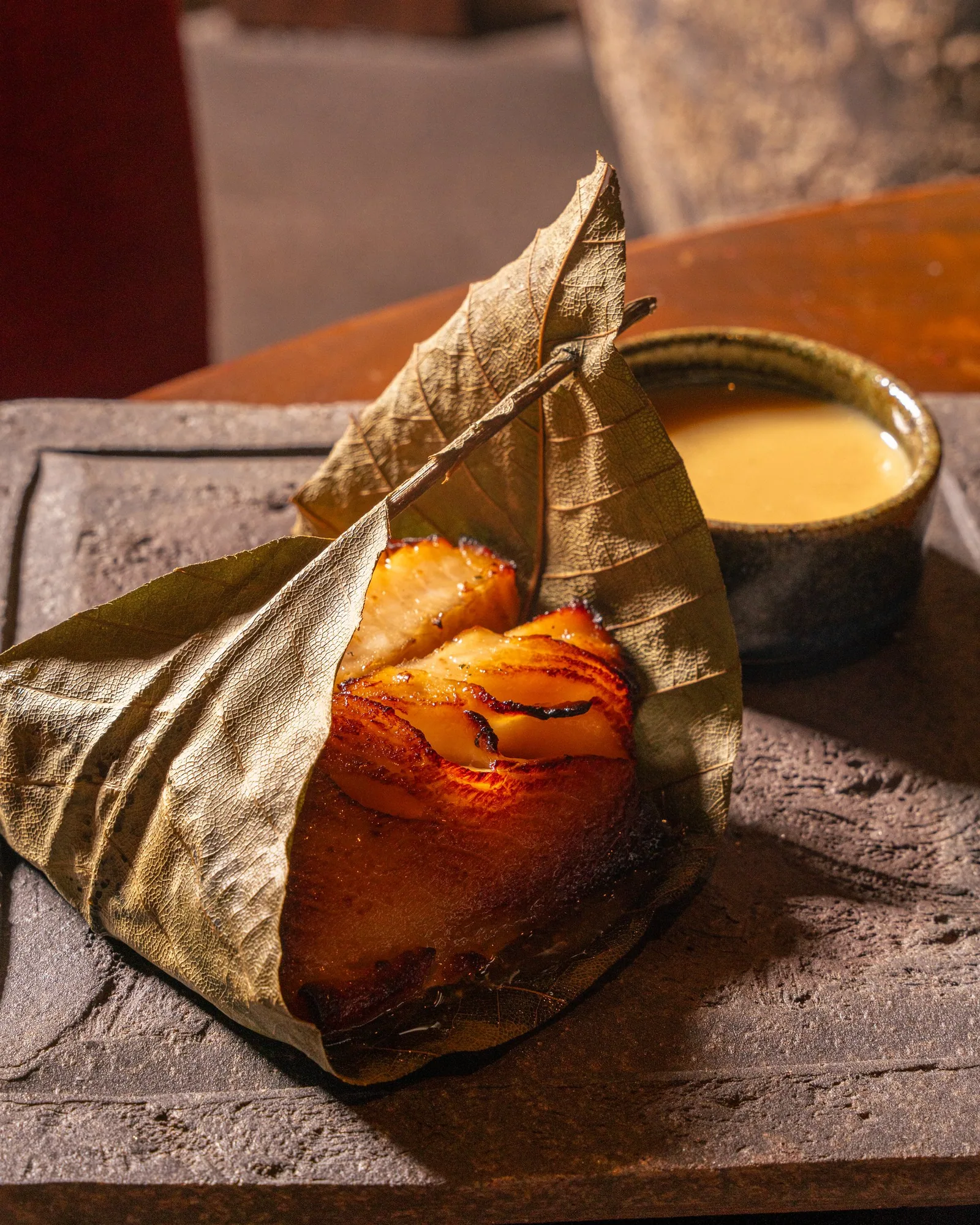
Swipe or scroll · Zuma Doha
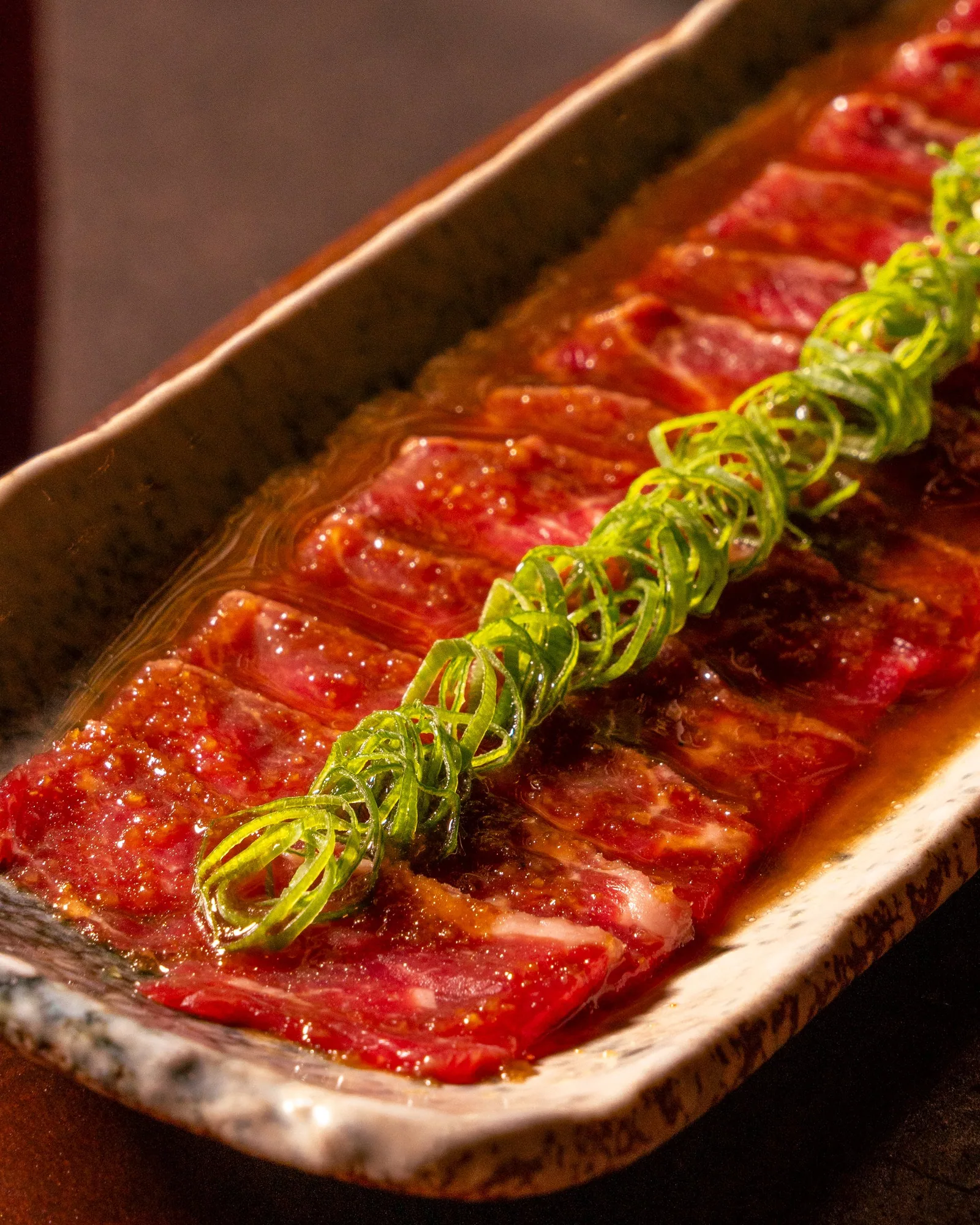
Red sauce, green booths, full service
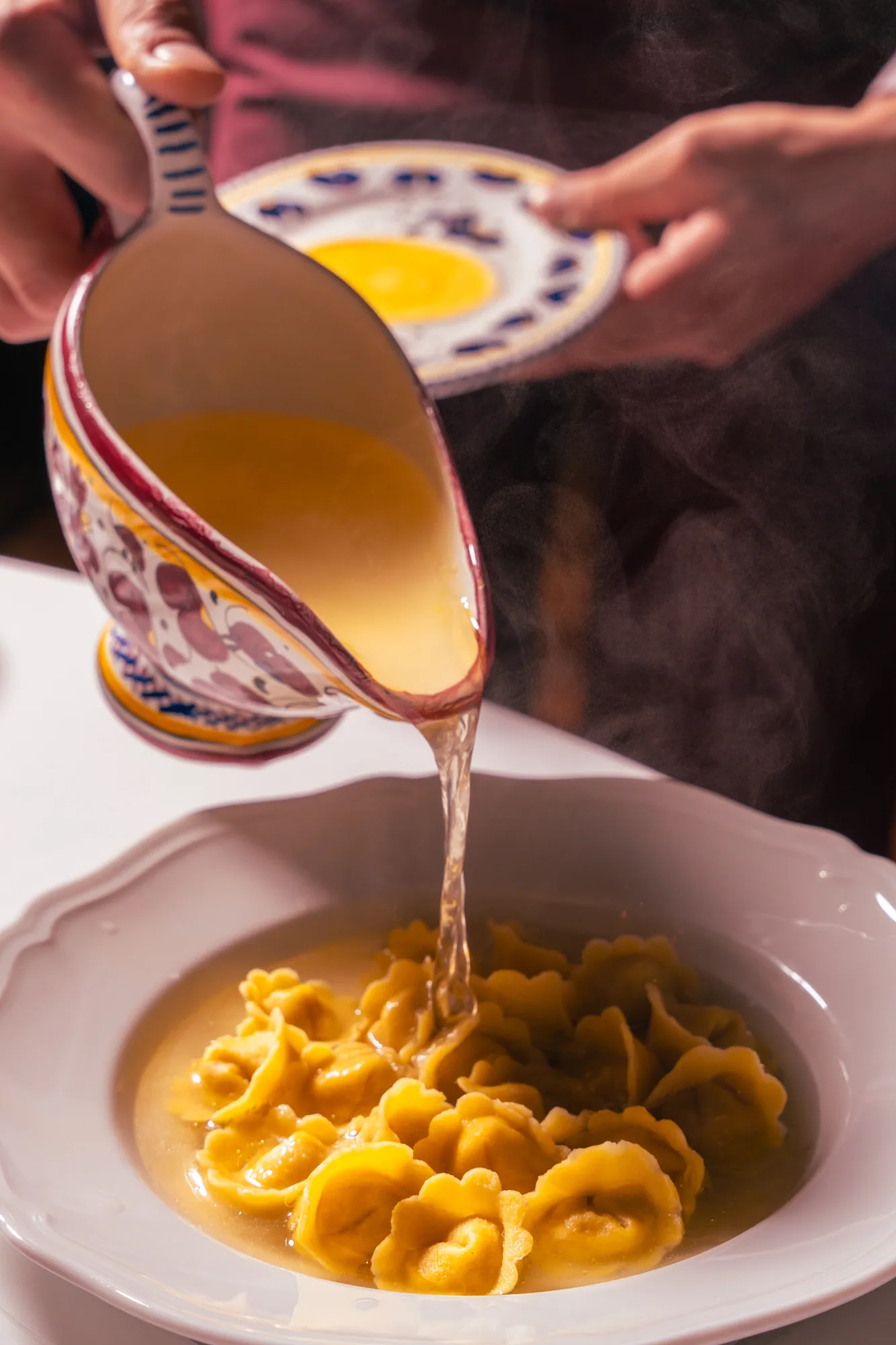
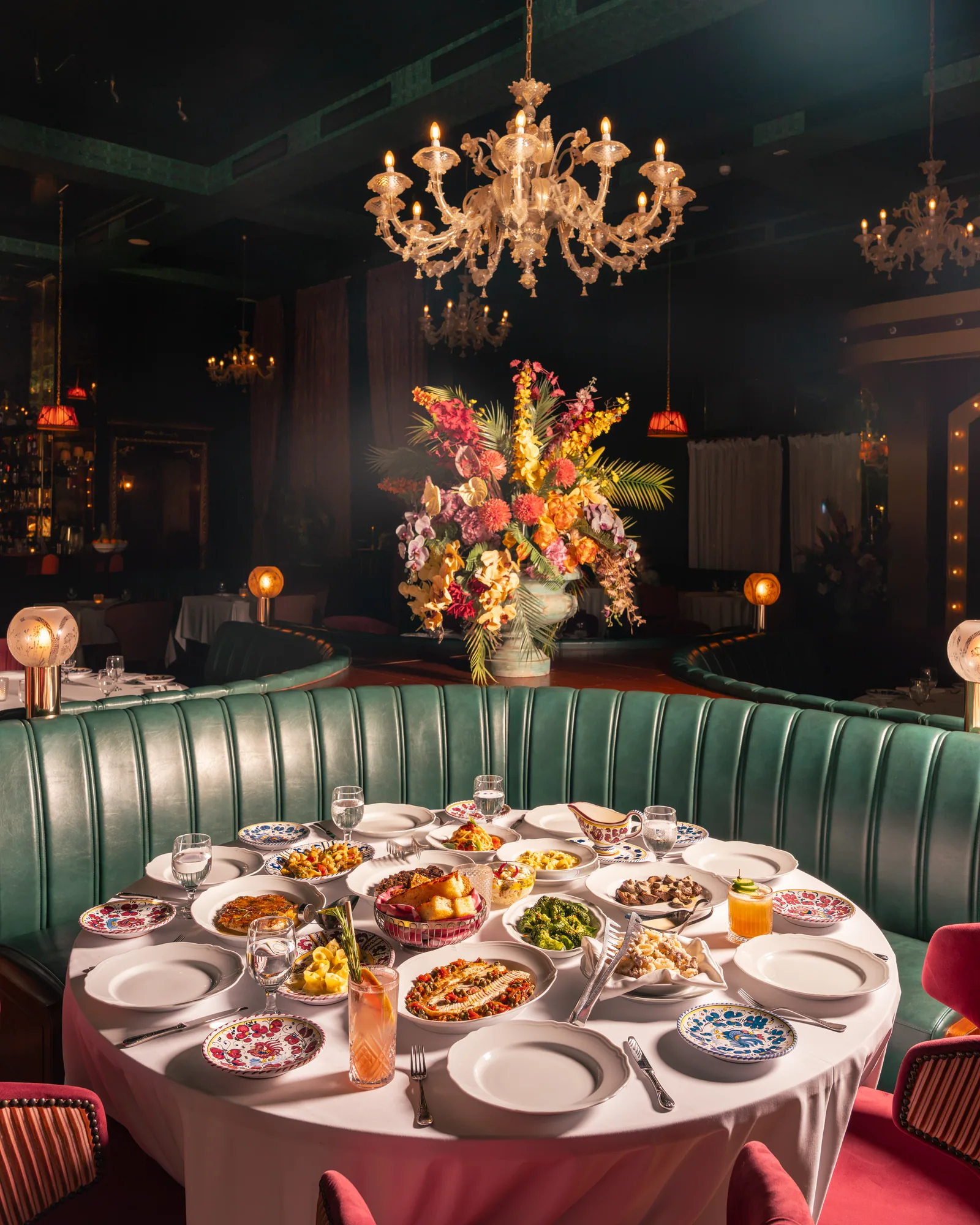
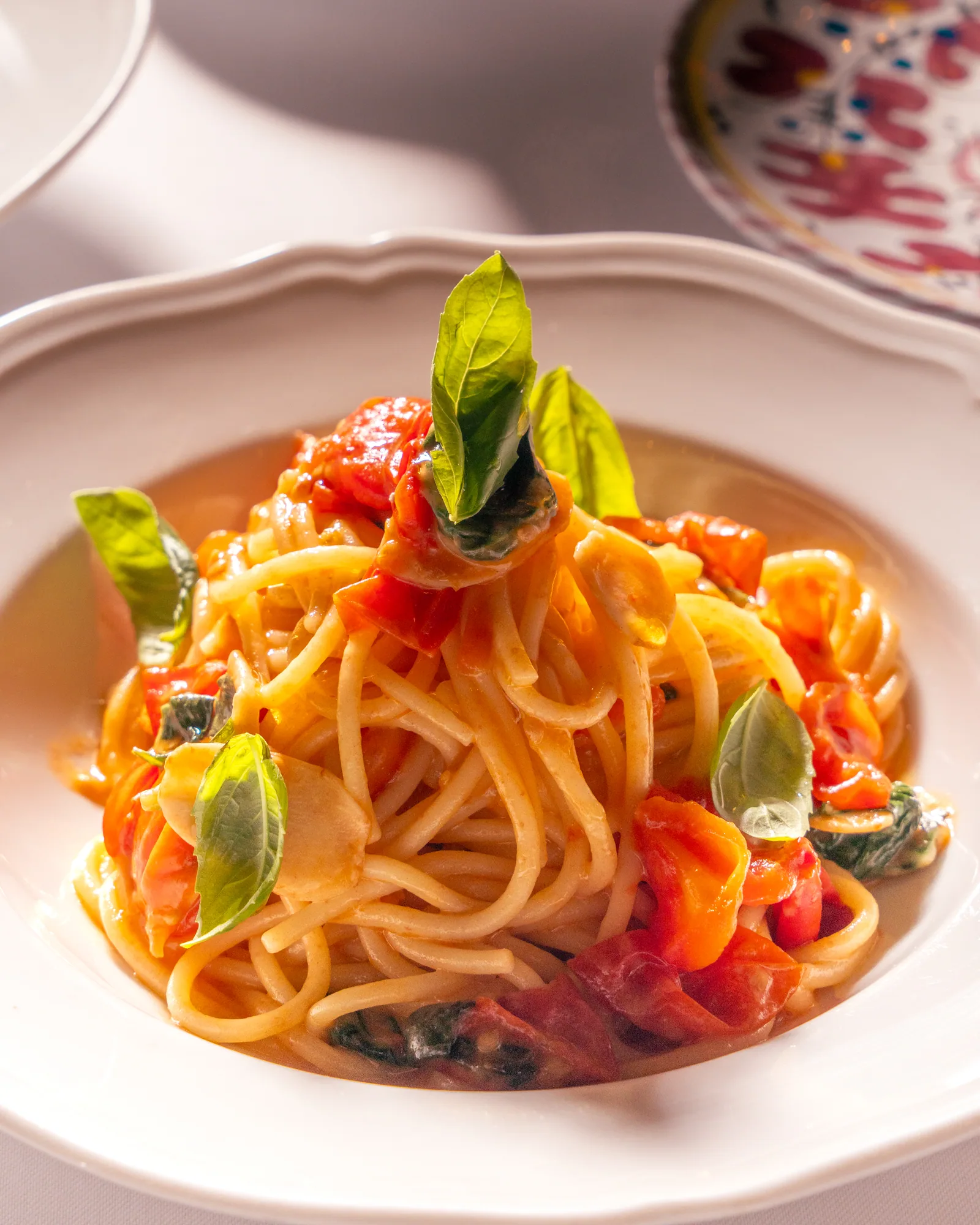
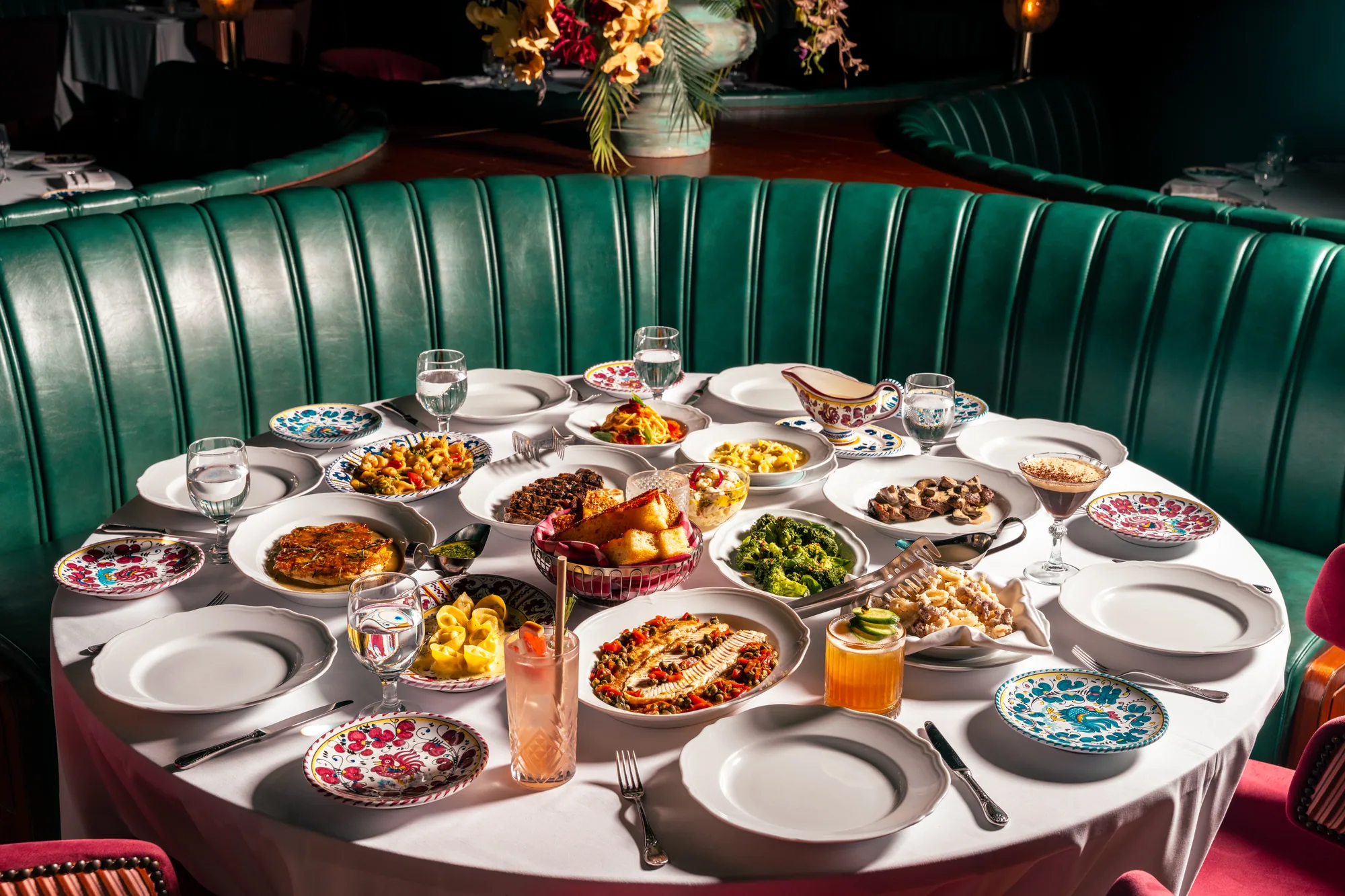
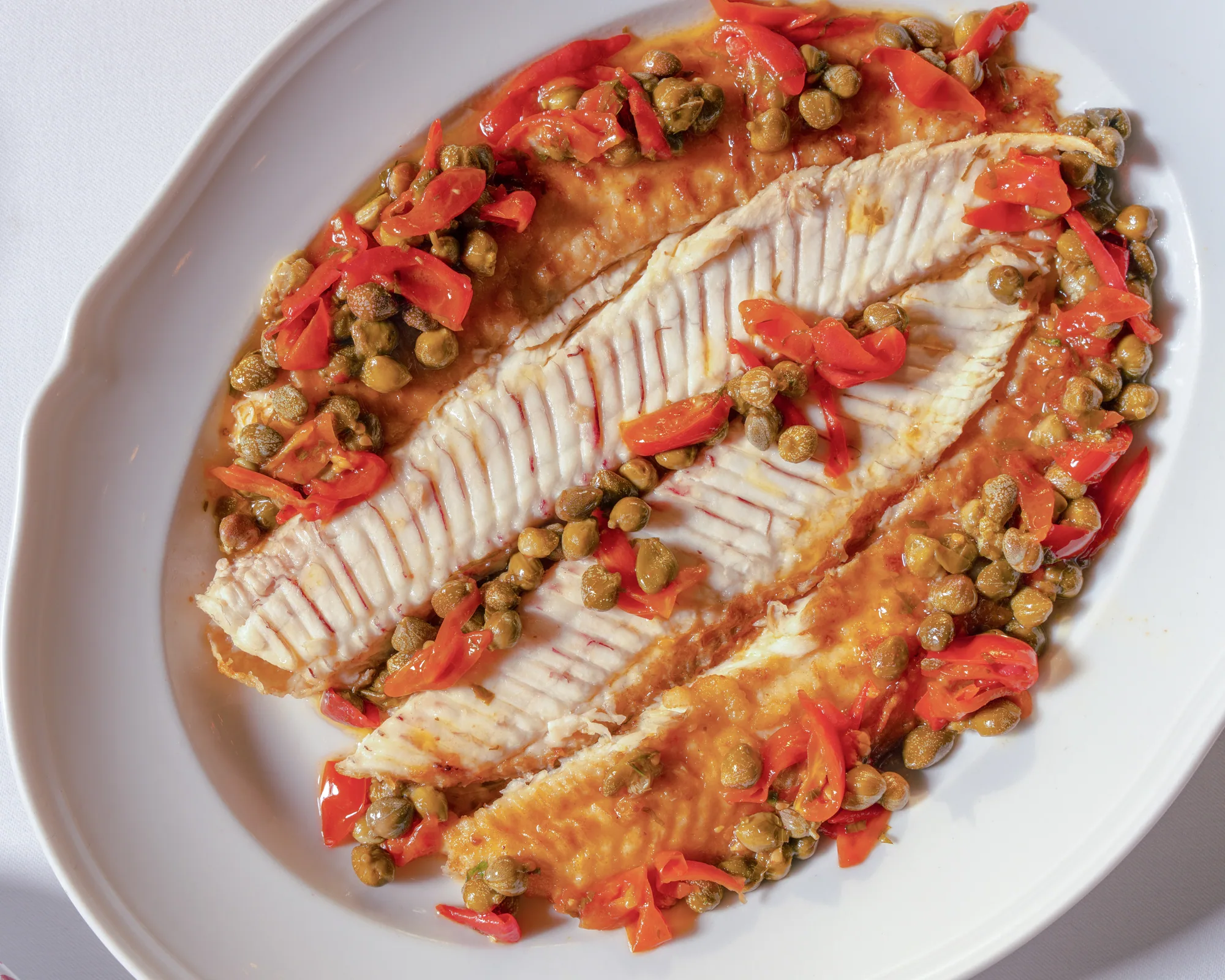
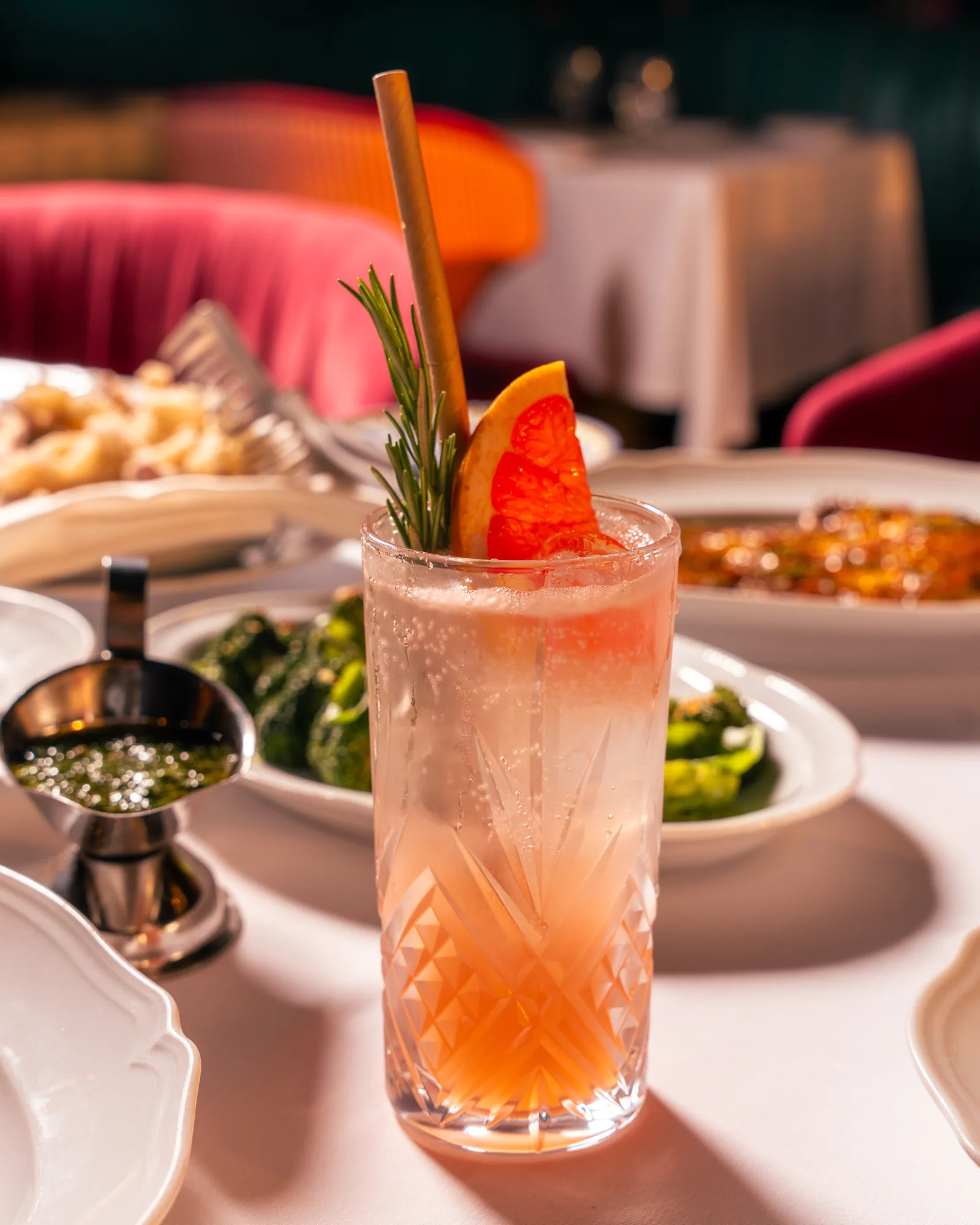
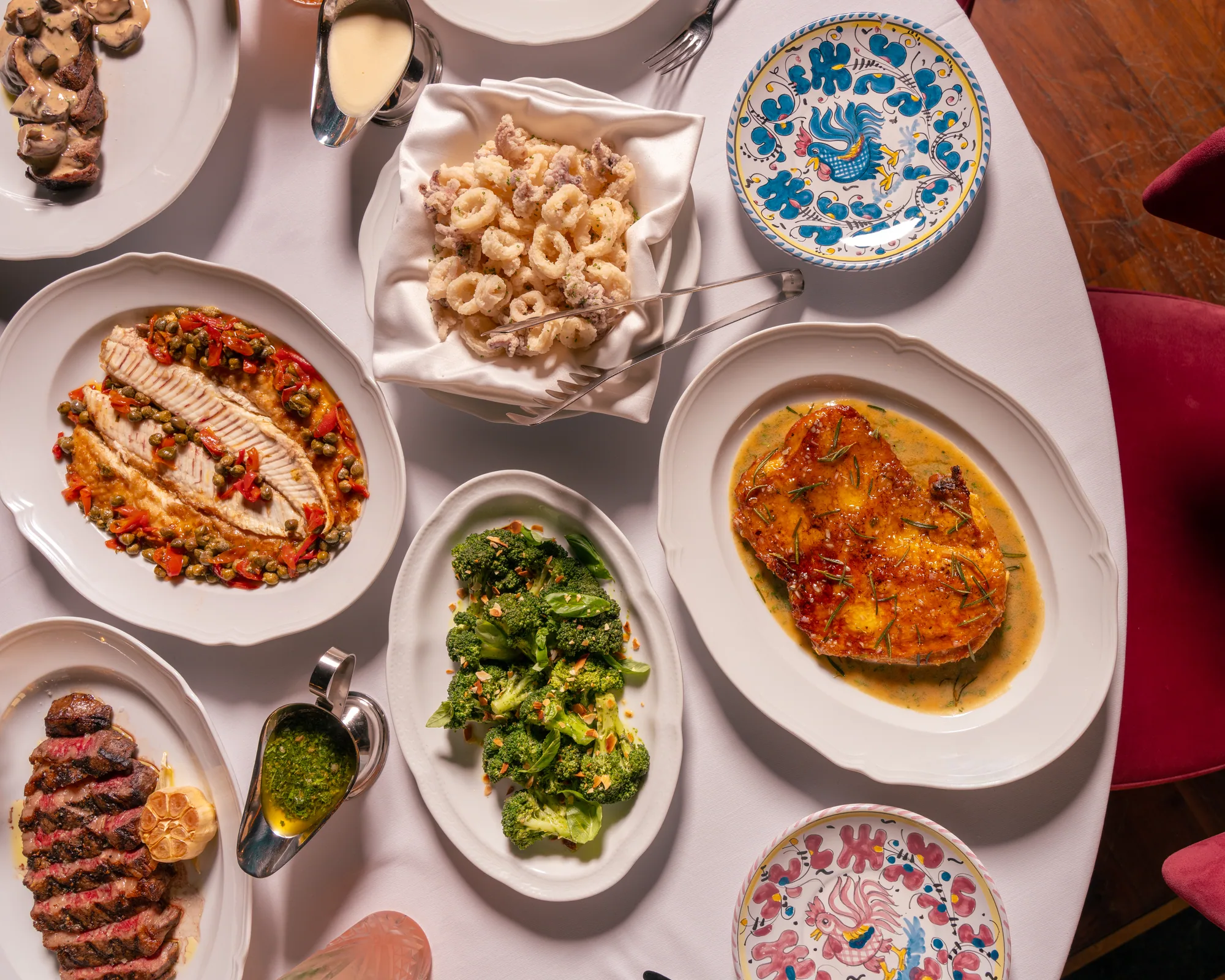
Carbone is theatre: tableside pours, chandeliers, green leather booths. The new plates were photographed the way the room serves them, mid-service, in the booths, with the pour caught as it happens.
The aim was appetite first, atmosphere second, and both in the same frame.
Restaurant menu photography in Doha, on location and around service
Shot list
Menu, hero dishes and order of plating agreed with the kitchen before the day, so nothing waits under the lights.
The room as studio
Each venue’s own light, shaped where needed. No backdrops, so the pictures carry the restaurant’s identity.
Light for texture
Gloss, sear, crumb and steam each need a different angle of light. Every dish is lit for what makes it appetising.
Whole frames
Delivered colour-graded and sized for menus, social and print, with no crops that cut the plate.
Two launches, one consistent standard
Both restaurants received a complete, ready-to-use set for their new menus, and a selection now lives on this site as The November Edit.
Zuma’s three menus share one visual language, so the brunch, the lunch and the desserts sit together on a menu, a feed or a screen. Carbone’s set keeps the room in every frame, so the plates never feel lifted out of their setting. For more of my work with Doha restaurants, see the full food and beverage portfolio.
Planning menu photography in Doha around a working kitchen
Most of the work in good menu photography in Doha happens before anyone switches on a light. A restaurant does not stop being a restaurant because a photographer has arrived. The kitchen still has prep to finish, the floor team still has covers to serve, and the dining room still has to look ready for guests. My job is to fit a complete shoot into that rhythm without slowing it down.
A shot list in plating order
I build the shot list with the chef, not just the marketing team. Every dish on the new menu is listed with its hero angle, the props it needs and the order in which the kitchen will plate it. Dishes that lose their shine quickly, a glazed fish, a seared slice of beef, a scoop of ice cream, go first in their section, so they reach the table at their peak and never wait under the lights.
Timing the day to the light and the service
At Zuma Doha the three menus asked for three different lights: low and warm for Yashoku, bright for Ebisu Lunch, and a sunset on the terrace for the desserts. At Carbone Doha the frames had to be taken mid-service, with the room alive around the table. I schedule each block of the day around the light the menu needs, then around the moments the restaurant can spare a table.
Tableware, props and styling
The restaurant’s own plates, glassware, linen and cutlery are always my first choice. They are what a guest will see, and they carry the brand far better than borrowed props. Styling stays light: a napkin placed, a glass half filled, a hand reaching in. The aim is a table that looks set for a guest, not dressed for a camera.
Knowing where every image will run
Before the day I ask where each picture will live: the printed menu, a digital menu screen, the website, delivery apps, Instagram, outdoor or press. That list decides how I frame. A menu tile needs the plate centred and readable at a small size; a social post may need a vertical version; a press image may need space for a headline. Composing for the channel on set is why every frame can be delivered whole.
Restaurant photography in the room’s own light
Restaurant photography is easiest to get wrong when the photographer brings a studio into the dining room and overpowers it. Flood a warm, low room with flash and the food may look sharp, but the place disappears. On both of these shoots I started from the light the room already had, then added, softened or blocked light only where a dish needed it.
Low light at Zuma Doha after dark
Yashoku is Zuma Doha’s night brunch, and the room after dark is warm, low and intimate. The challenge with low light is keeping texture and colour without making the scene feel brighter than it is. I shaped small pools of light onto each plate so the gloss on the black cod and the sear on the tataki read clearly, while the birch and orchids behind stayed soft and warm.
Daylight for a lunch menu
Ebisu Lunch is quicker and brighter, so the photographs had to be too. Every don was built to be read at a glance, which suits a flatter, cleaner light and more overhead frames. The shiso leaf standing over the ikura is a small detail, but it is exactly the kind of height and shape that an overhead angle can lose, so it was lit from the side to keep it standing tall.
Sunset on the terrace
The new desserts went out to the terrace at sunset. Golden hour in Doha is short, so the dessert tray, the mochi and the fruit were ready to go before the light arrived, and the skyline did the rest. This is the one part of a menu shoot that cannot be moved, which is why it anchors the whole schedule.
Theatre at Carbone Doha
Carbone Doha is built on theatre: tableside pours, chandeliers and green leather booths. The best way to photograph that is to let the theatre happen and catch it. The tortellini in brodo was photographed as it was poured at the table, and the full table in the green booth was shot as a guest would see it from their seat, with the chandelier light falling across the plates.
Choosing the angle for each dish
There is no single right angle in food photography. Flat dishes and shared tables read best from above, where the arrangement becomes the subject. Tall dishes, pours and anything with layers need a lower angle close to the eye line of a seated guest. The rule I follow is to choose the angle that shows what makes a dish appetising, whether that is gloss, height, steam or the way plates crowd a table.
Keeping four menus consistent as a food photographer in Doha
Two restaurants, four menus and one season could easily produce four unrelated sets. As a food photographer in Doha working across many venues, I treat consistency as part of the brief. Zuma’s brunch, lunch and desserts had to sit side by side on a menu or a feed, and Carbone’s set had to feel like one evening in one room.
A shared grade
Each venue’s set is colour graded as a single story, so warm stays warm and whites stay clean from the first frame to the last.
Repeatable angles
Hero dishes share a small family of angles, which keeps a menu page orderly even when the dishes are very different.
The room in the frame
Where it helps, a booth, a window or a chandelier stays in shot, so every plate keeps its sense of place.
Sized for every channel
Files are delivered for print, menu screens, web and social, with no crops that cut the plate or the composition.
How to prepare your restaurant for menu photography in Doha
If your restaurant has a new menu coming, a little preparation makes the shoot calmer and the pictures better. These are the points I talk through with every kitchen and floor team before we start, whether the venue is a large group restaurant or an independent dining room.
- The final menu, with dish names and the hero dishes marked.
- A plating order agreed with the chef, by section.
- The tables, booths or terrace spots we can use, and when.
- The restaurant’s own tableware, glassware and linen, ready and polished.
- One decision-maker on the day for quick approvals.
- A list of every channel the images will appear on.
Give the kitchen a realistic pace
A good pace is one dish arriving as the previous one is finished, not ten plates at once. When dishes pile up, the last ones lose their freshness. A steady rhythm also lets the chef adjust a garnish or a sauce between frames, which is often where the best picture comes from.
Decide early how much of the room you want
Some menus want pure appetite: close frames, the plate filling the picture. Others want atmosphere: the booth, the window, the lights. Most restaurants need both. Telling me the balance you want helps me plan wide, medium and close frames so the final set covers the menu, the website and social without gaps.
Think beyond the launch
A menu shoot is also a chance to build a library. While the room is set and the light is right, a few extra frames of the bar, the entrance or the team at work can serve the website and press for months. If your venue also needs a full interior set, the Loris interior case study shows how I plan that kind of restaurant photography around the light.
What to ask a food photographer in Doha before you book
Hiring for a menu launch is different from hiring for a portrait or an event. The right questions show quickly whether a photographer understands how restaurants work. These are the ones I would ask in your position, and the answers I give when restaurants ask me.
Will you shoot in my restaurant or in a studio?
For most venues the answer should be the restaurant. A studio can be right for packaging or a delivery app catalogue, but a dining room menu sells the experience as much as the dish. Zuma Doha and Carbone Doha were both photographed in their own rooms for that reason.
How do you work around service?
Listen for a plan: a shot list in plating order, blocks of time tied to light and covers, and a clear idea of how many dishes can be done per hour without rushing the kitchen. Vague answers here usually mean a long, disruptive day.
What exactly will I receive?
Ask about the number of final images, the grade, the formats and the sizes for each channel, and whether frames will be delivered whole or cropped. Ask about usage too. I quote one all-inclusive figure that covers the shoot, the edit and the agreed usage, and my guide to photography prices in Doha explains what affects it.
If you want a wider view of the genre before you decide, this overview of food photography is a useful primer, and my guide to food photography for Doha restaurants goes into local detail. You can also browse every project on the case studies page.
Menu photography in Doha: common questions
How long does a menu photography shoot take?
It depends on the number of dishes, the number of lights the menu needs and how much of the room you want in the frames. A tight menu in one light can fit into part of a day; several menus in different lights, as with Zuma Doha, are planned as separate blocks around the right time of day.
Can you photograph during service?
Yes, and for some venues it is the point. At Carbone Doha the new plates were photographed mid-service, so the room’s energy sits in every frame. I keep the setup small and agree with the floor team which tables we use and when.
Do you bring a food stylist?
For restaurant menus, the chef is usually the best stylist, because the dish should look the way the kitchen actually serves it. I adjust placement and garnish with the chef on the day. For advertising or packaging work, a dedicated stylist can be added to the quote.
Will the photos work for delivery apps and social media?
Yes, if we plan for them. Tell me every channel in the brief and I will shoot the right angles and orientations, so the same set covers printed menus, menu screens, delivery apps, the website and social without awkward crops.
Do you also photograph hotel restaurants and bars?
Yes. Much of my restaurant photography is for hotel outlets and hospitality groups, from dining rooms and terraces to bars and pools. My hotel and hospitality photography page covers that work.
How do I book a food photographer in Doha for a new menu?
Send the menu, the launch date and where the images will run through the quote form. I reply within one business day with questions or a proposal.
Book a menu shoot in your own room
Tell me about the menu, the date and where the images will run. I reply within one business day.