Food Photography for Doha Restaurants: How to Get Images That Drive Bookings
In Doha’s competitive restaurant market, your food photographs are often the first — and most decisive — impression a potential customer forms of your brand. Before they read a review, visit your location, or speak to your team, they have already judged the quality of your food and the character of your dining experience based on what they saw on Instagram, TalaBat, your Google Business Profile, or your website.
Professional food photography in Qatar is no longer optional for restaurants that want to compete seriously for bookings, delivery orders, and social media engagement. This guide explains what makes food photography effective, how to prepare for a shoot, and what to look for when choosing a food photographer in Doha.
Why Food Photography Directly Affects Restaurant Revenue
The research on this is consistent: high-quality food imagery increases order values, conversion rates on delivery platforms, and social media engagement across every category of restaurant. In Qatar specifically, where TalaBat dominates food delivery and Instagram drives a significant proportion of dining decisions among the expat and younger Qatari demographic, the quality of your food photography has a measurable impact on revenue.
Restaurants in Doha that invest in professional photography consistently report higher average order values on delivery platforms — customers are more likely to add items they can see clearly and appetisingly presented. They also report stronger social media performance, with professional images outperforming phone-camera shots in reach, saves, and profile visits by a significant margin.
Beyond delivery and social media, your food photography defines how media, bloggers, and publications represent your brand when they write about you. Publications and food writers consistently use brand-supplied images when they are available and professional — giving you control over your visual narrative at no additional cost.
What Makes Food Photography Effective
Great food photography is the result of three things working together: styling, light, and composition. Each of these is a specialist skill, and the difference between amateur and professional food photography comes down to how precisely all three are controlled simultaneously.
Food Styling
Food styling is the art of making food look its absolute best on camera — which is not the same as how it looks when it comes out of the kitchen. Professional food stylists in Doha understand how different dishes photograph, how to maintain visual freshness under studio lights, how to control portions, garnishes, and sauces for camera, and how to create depth and texture in a frame.
Even the most beautifully plated dish from your kitchen will often look flat, small, or unappetising without professional styling intervention. Investing in a food stylist for your shoot is one of the highest-return decisions you can make in a food photography production.
Lighting
Light is what food photography is actually about. Natural window light, soft studio diffusion, dramatic hard directional light — each creates a completely different mood and suits different types of cuisine and brand positioning. A casual café brand may want bright, warm, natural-feeling light. A high-end Japanese restaurant may want controlled, cooler, more precise lighting that emphasises texture and craftsmanship.
A professional food photographer in Qatar will control light precisely — eliminating the orange colour casts of restaurant ambient lighting, controlling reflections and shadows, and matching the mood of your imagery to your brand identity consistently across an entire shoot.
Composition and Format
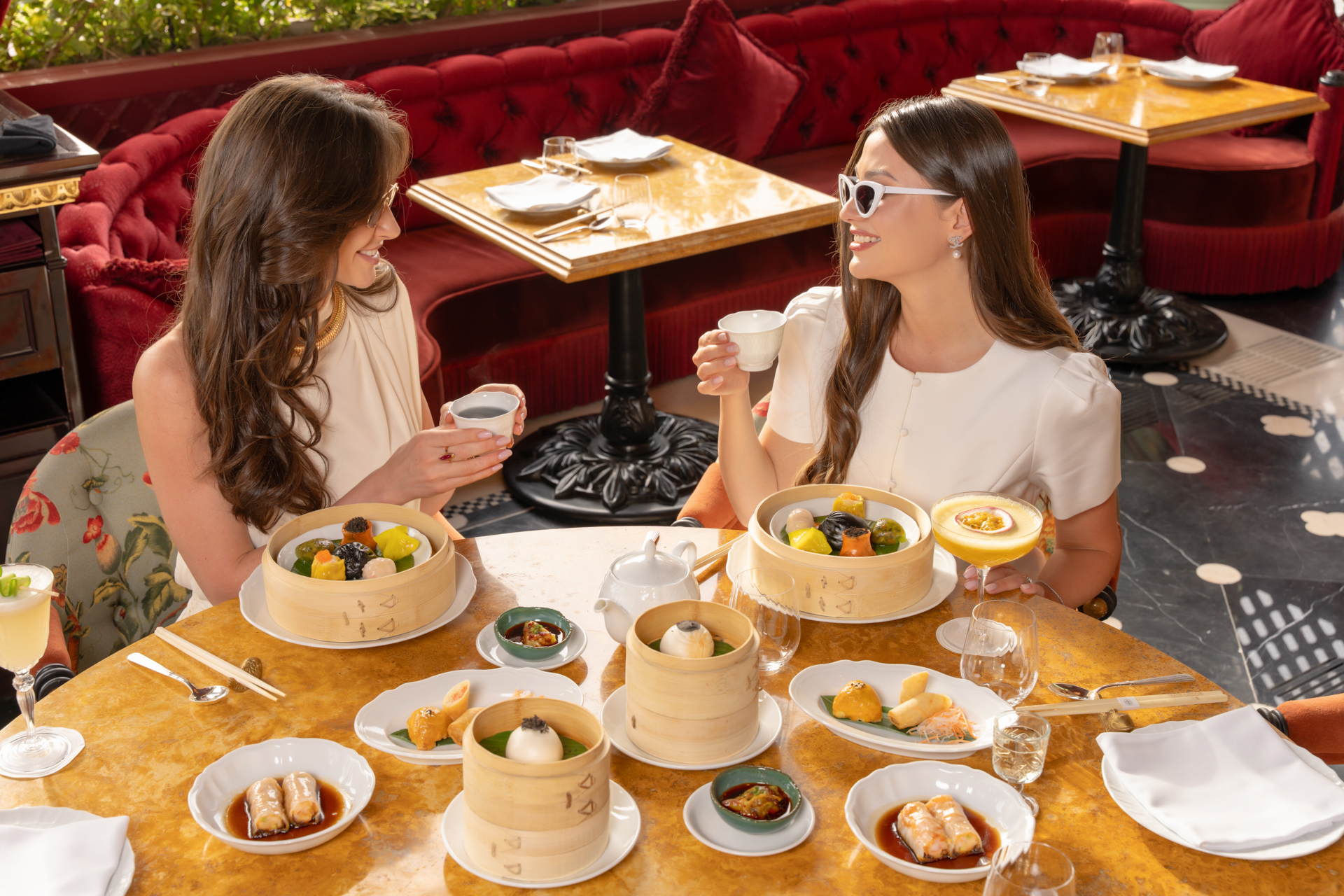
Different platforms require different image formats and compositions. TalaBat and Careem favour clean, overhead (flat lay) shots against neutral backgrounds for menu listings. Instagram performs best with a mix of close-up detail shots, styled table scenes, and portrait-format hero images. Your website homepage and print menu may need landscape format imagery with space for text overlay.
A professional food photographer will plan a shoot that delivers images optimised for each of your required formats simultaneously — so a single production day yields a complete image library across all platforms, not just one usable format.
How to Prepare Your Restaurant for a Food Photography Shoot
The preparation you do before the shoot directly affects how efficiently the day runs and how many final images you get. Here is what restaurant owners and marketing managers in Qatar should do before a professional food photography session:
- Finalise your shot list in advance. Decide which dishes you want photographed and in what priority order. A professional photographer can typically capture 20–40 dishes in a full production day for menu photography, or fewer for elaborate hero shots.
- Prepare your best versions of each dish. Coordinate with your kitchen team so each dish is prepared fresh for the camera at the right moment. Brief your head chef on the shoot schedule.
- Have props and surfaces ready if relevant. For lifestyle and brand shots, relevant props (linens, cutlery, glassware, branded elements) should be clean, pressed, and available. Your photographer or stylist may also bring their own.
- Clear and clean the shooting area. Whether you are shooting on your restaurant floor or in a studio, ensure the environment is clean and uncluttered. Background elements that appear in frame need to be intentional.
- Have extra portions available. Food photography sometimes requires multiple attempts to get the perfect frame. Having backup portions of key dishes reduces delays significantly.
Choosing a Food Photographer in Doha
When evaluating food photographers in Qatar, look specifically for portfolio evidence of work in the same category as your restaurant — fine dining, casual, fast-casual, café, pastry, and beverage photography all have distinct visual requirements. A strong portrait photographer is not automatically a strong food photographer.
Also assess whether they work with a food stylist or offer styling as part of their service. For restaurants without an in-house stylist, this is essential. Ask to see before-and-after examples of their food styling work, and ask about their delivery platform experience — understanding the specific technical requirements of TalaBat, Careem, and Noon Food is a practical skill that saves you significant time in post-production.
Food Photography for Qatar’s Hospitality Market
Triangles Studio provides professional food and beverage photography in Doha for restaurants, hotels, catering companies, and FMCG brands across Qatar. Our food photography service covers everything from pre-production planning and food styling to shooting and full post-production, delivering images optimised for delivery platforms, social media, print menus, and digital advertising.
View our food photography portfolio or get in touch to plan your restaurant shoot.