
In a Dream: a bridal couture fashion film for Wissem Ben Agha
A bridal couture fashion film for the Wissem Ben Agha 2020 to 2021 collection. I directed it as a slow walk through light, lace and old architecture, letting the craftsmanship of each gown carry the story.
- Client
- Wissem Ben Agha, bridal couture
- Collection
- 2020 to 2021
- Format
- Fashion film · 2:49 · 1080p
- Role
- Director and co-editor
In a Dream · Wissem Ben Agha presents · a film by Ghassen Oueslati
A bridal couture fashion film should be felt before it is explained
A couture bridal gown often takes hundreds of hours, by hand, bead by bead. A lookbook can show the silhouette, but it rarely shows what a bride feels when she moves in it. The film was built around that feeling: unhurried camera movement, soft window light and close passes over the embroidery, so the viewer notices the work before they notice the model.
- One collection, one continuous mood.
- Lit largely by the rooms’ own window light.
- Wide architecture for scale, macro passes for craft.
Old rooms, warm light, slow movement
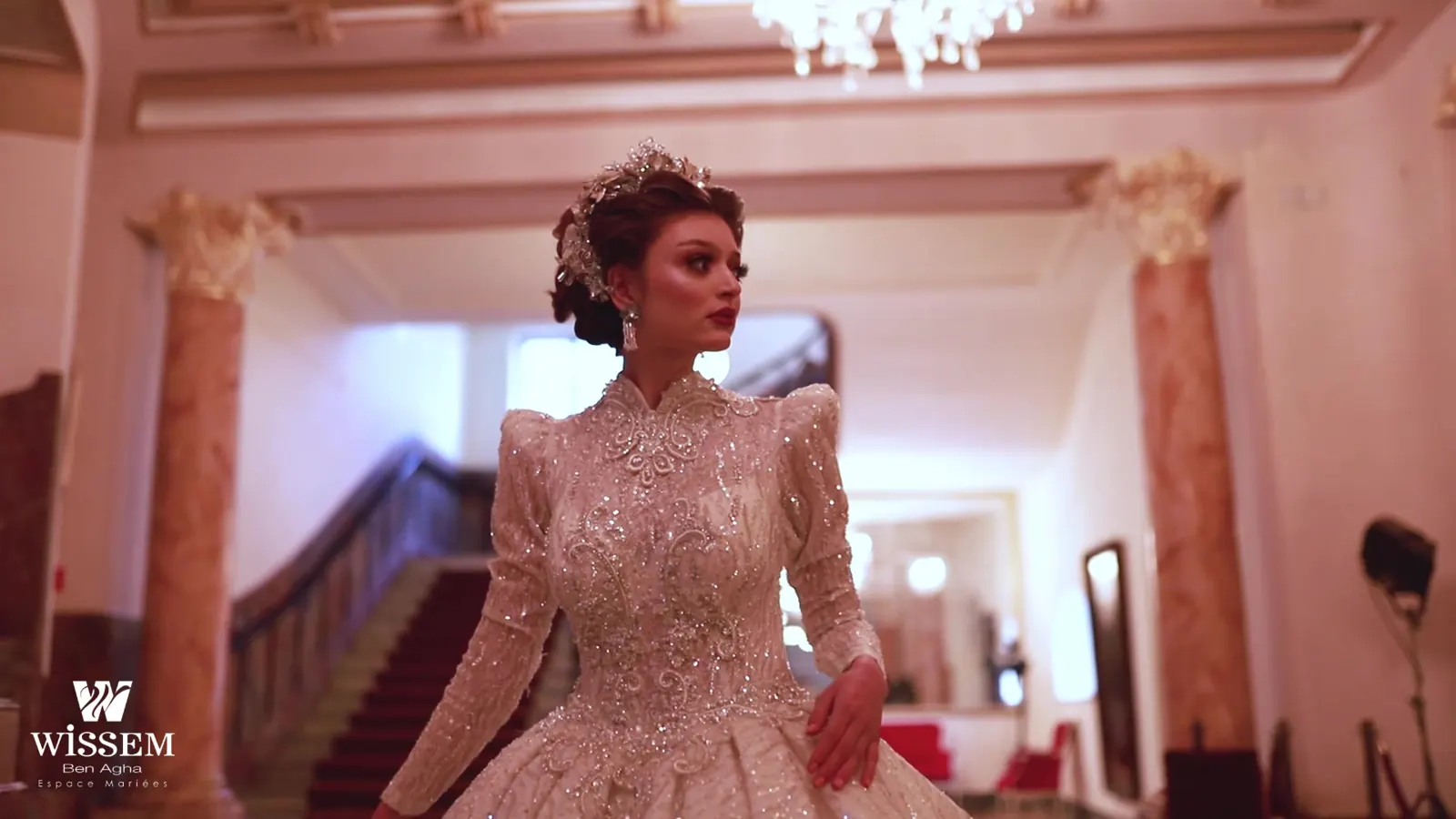
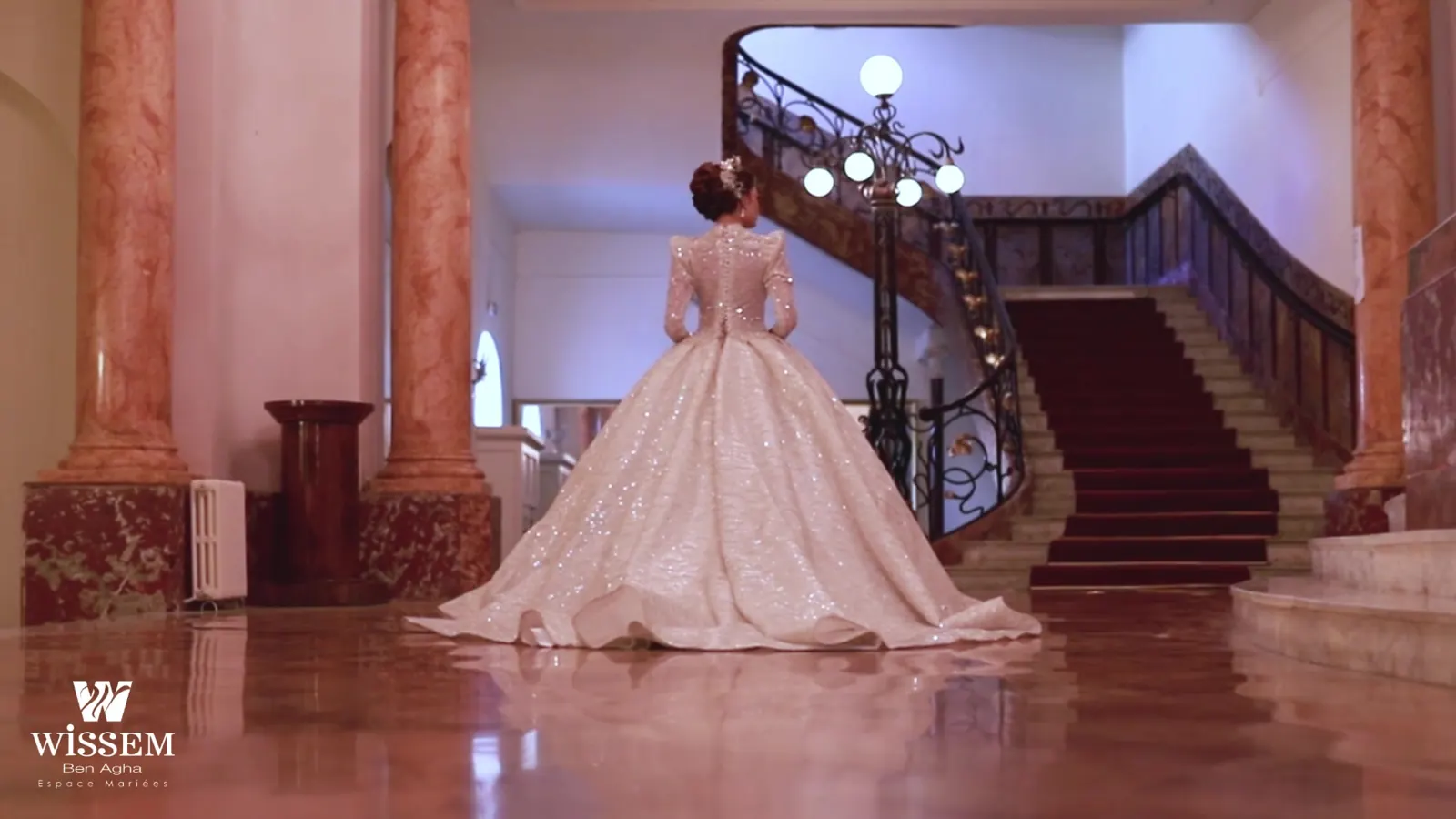
The location gave us arched windows, marble staircases and carved doors, a setting that frames a gown the way a gallery frames a painting.
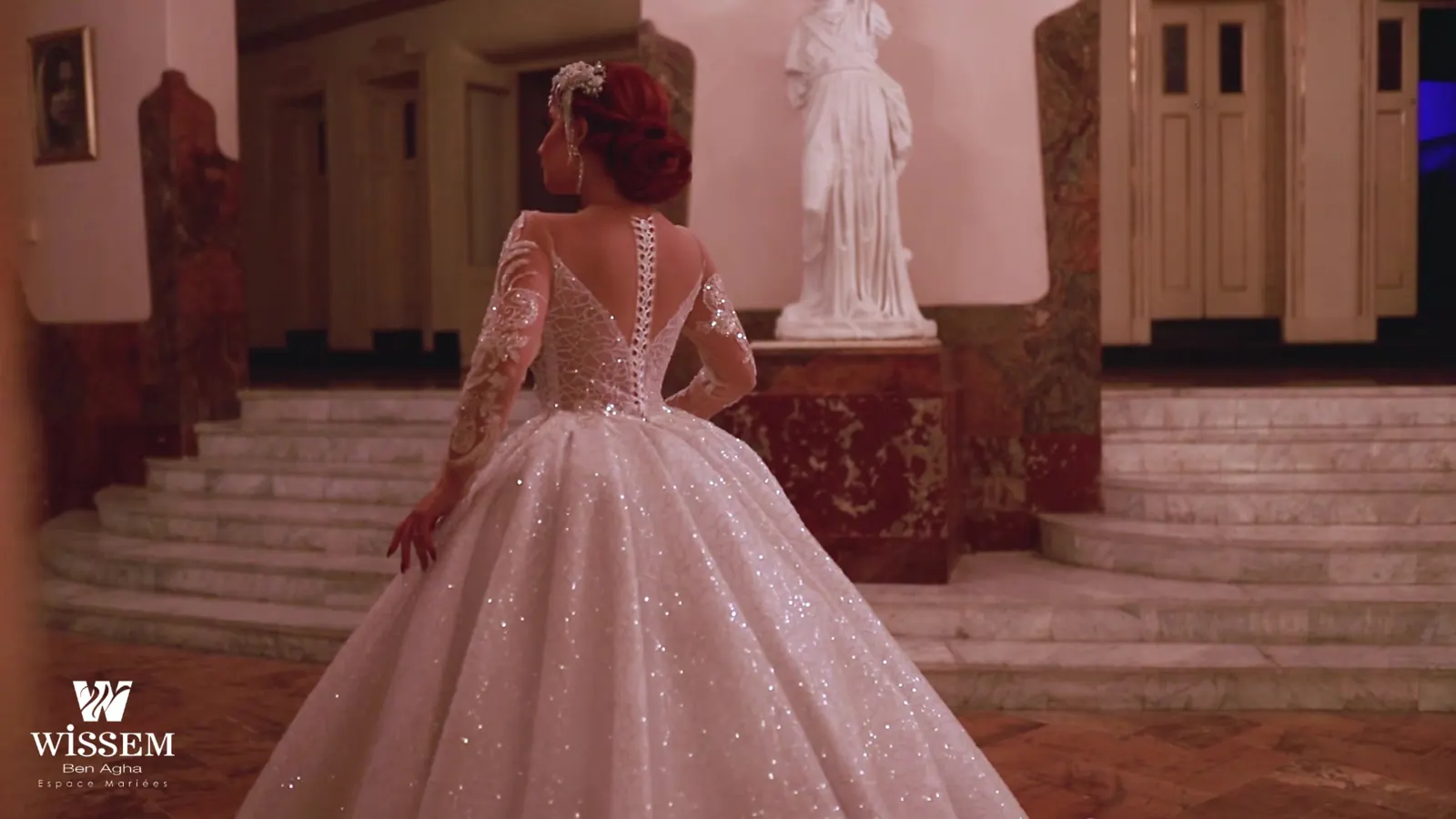
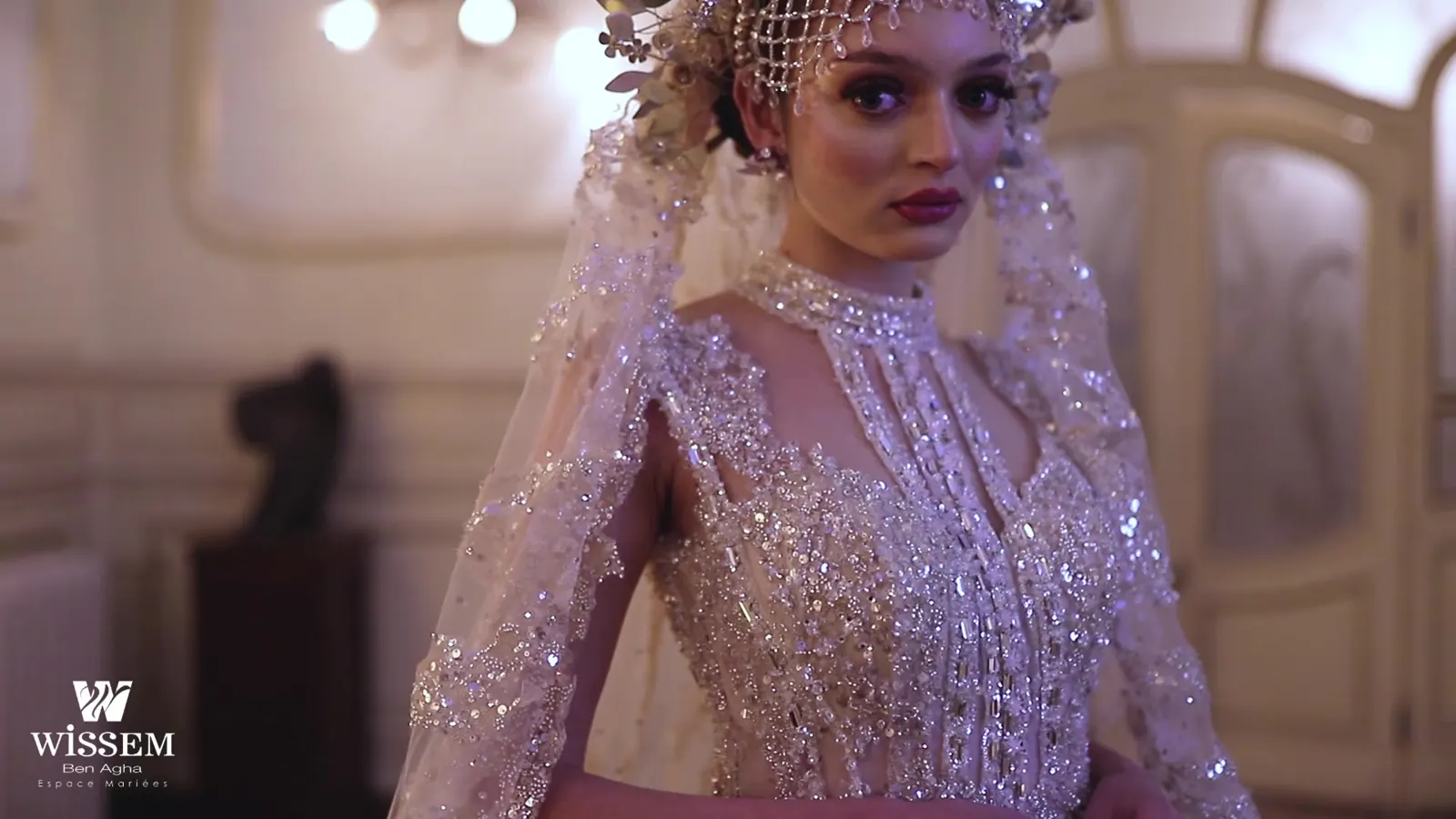
I kept the palette warm and the contrast gentle, so the ivory and silver of the beading would hold their detail against the rose tones of the walls.
Swipe or scroll · stills from the film
Two moods, one story
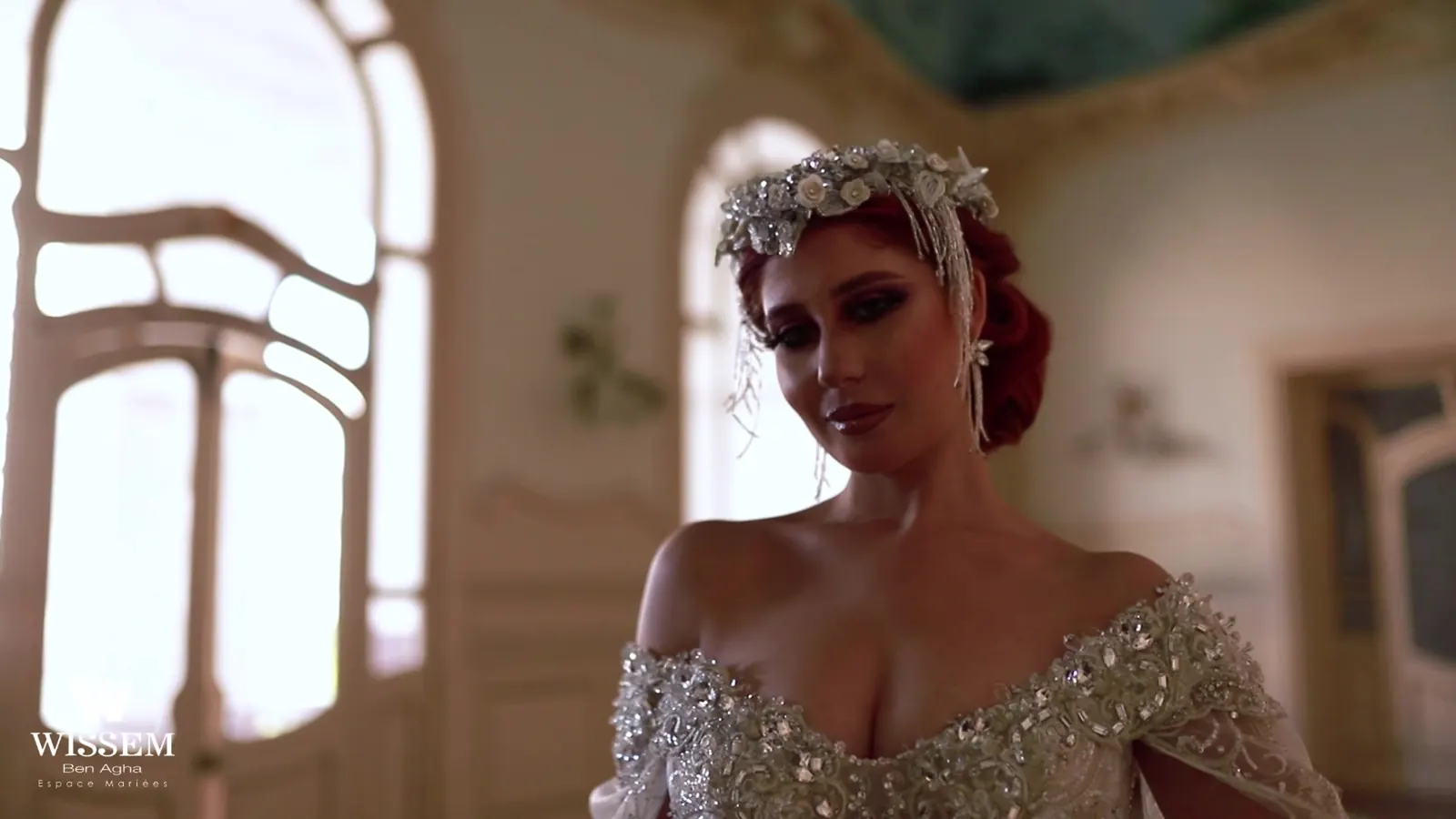
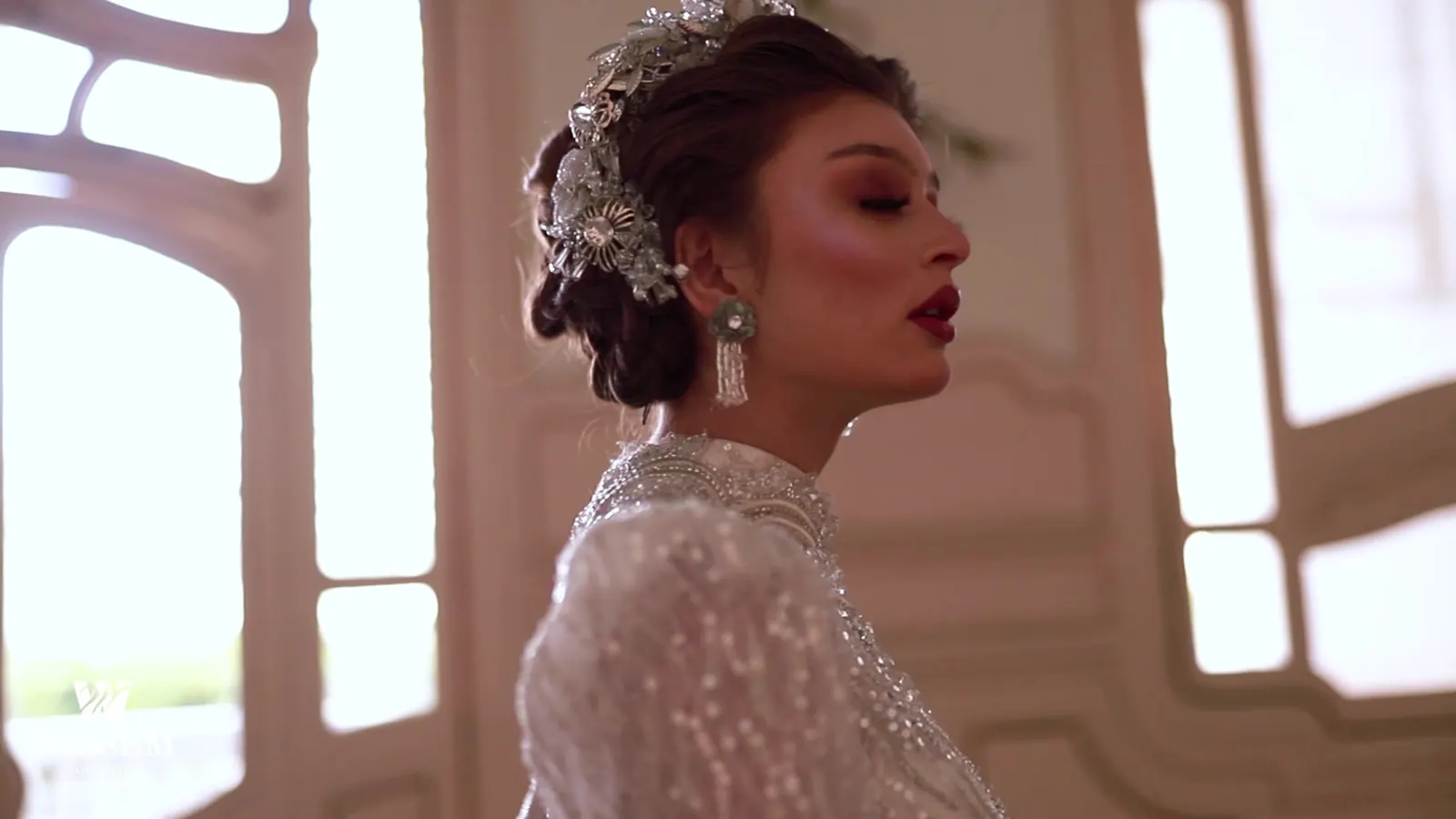
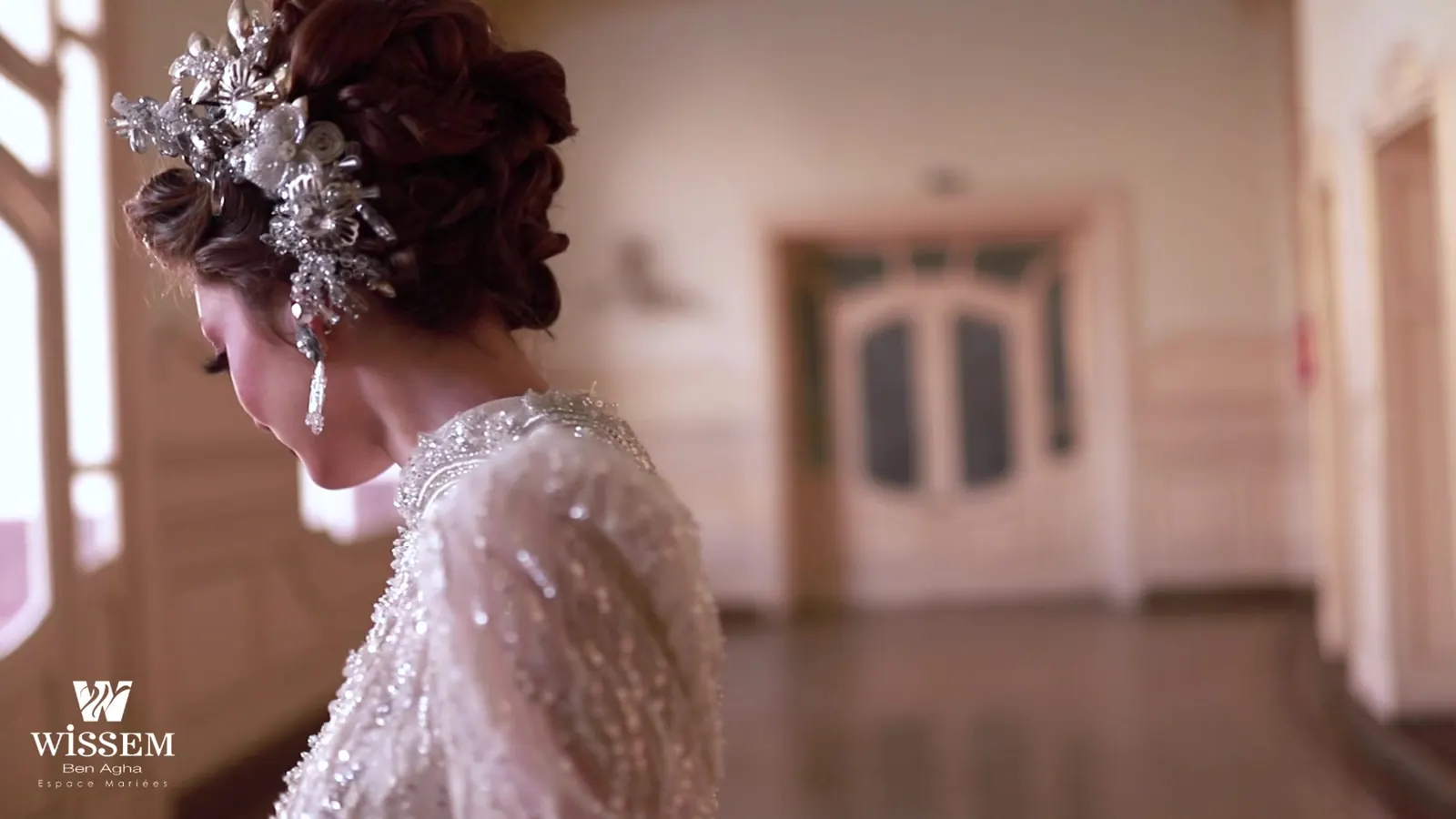
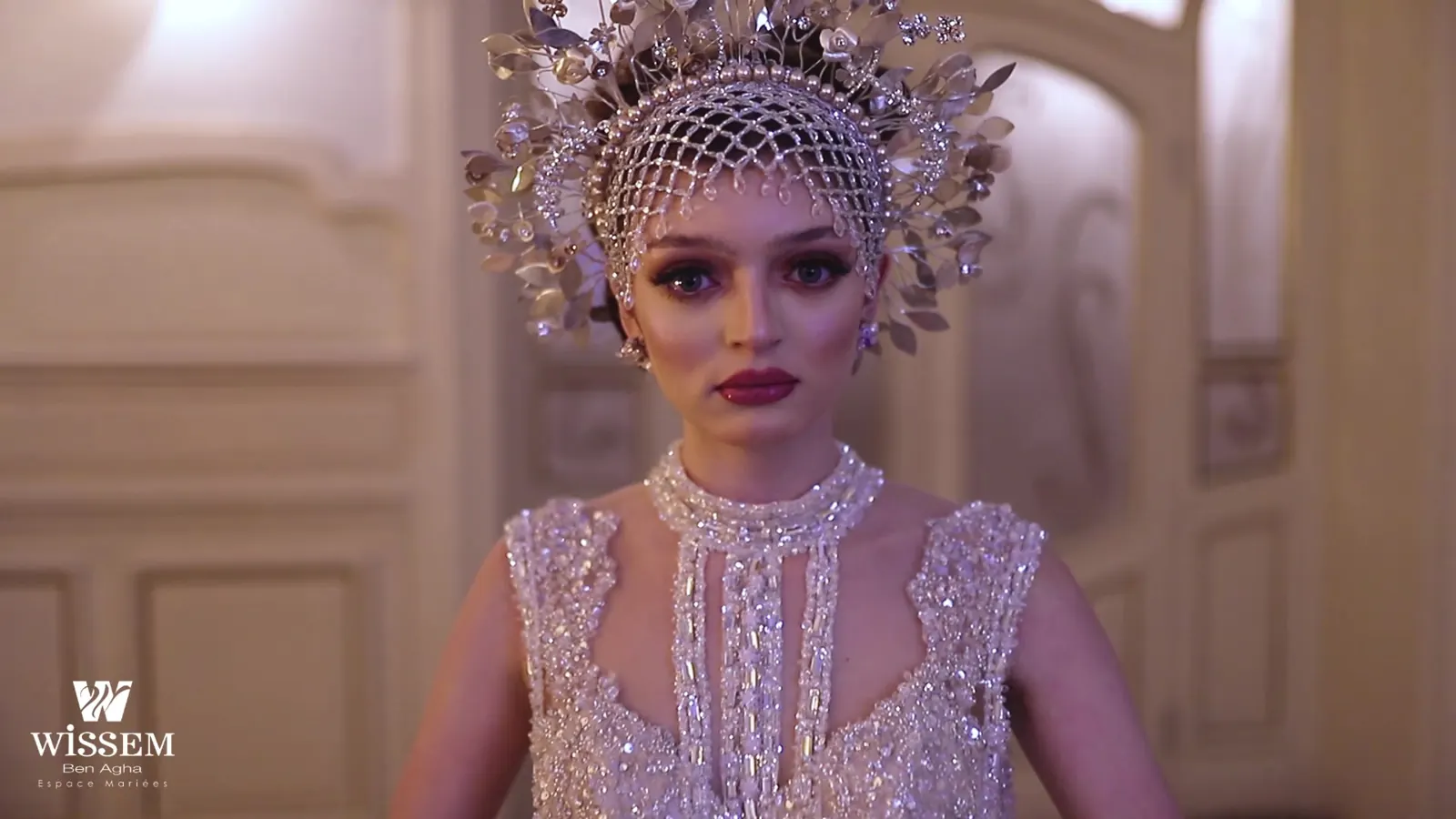
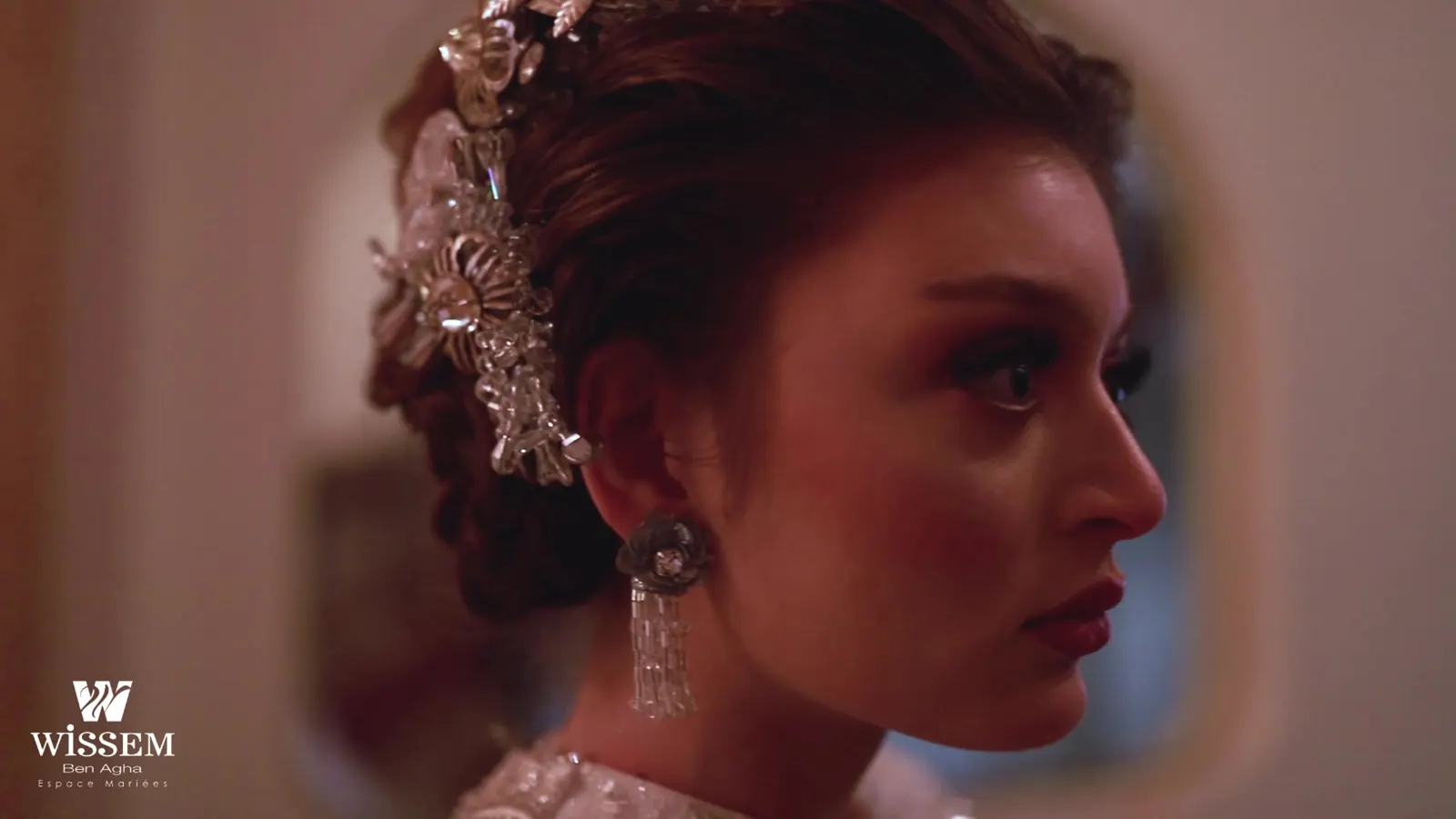
The film moves from sculpted, high-necked gowns into a second chapter of crowns and veils, with dramatic headpieces made to be seen in close-up. Each look was given its own moment, then tied back into the same walk through the house.
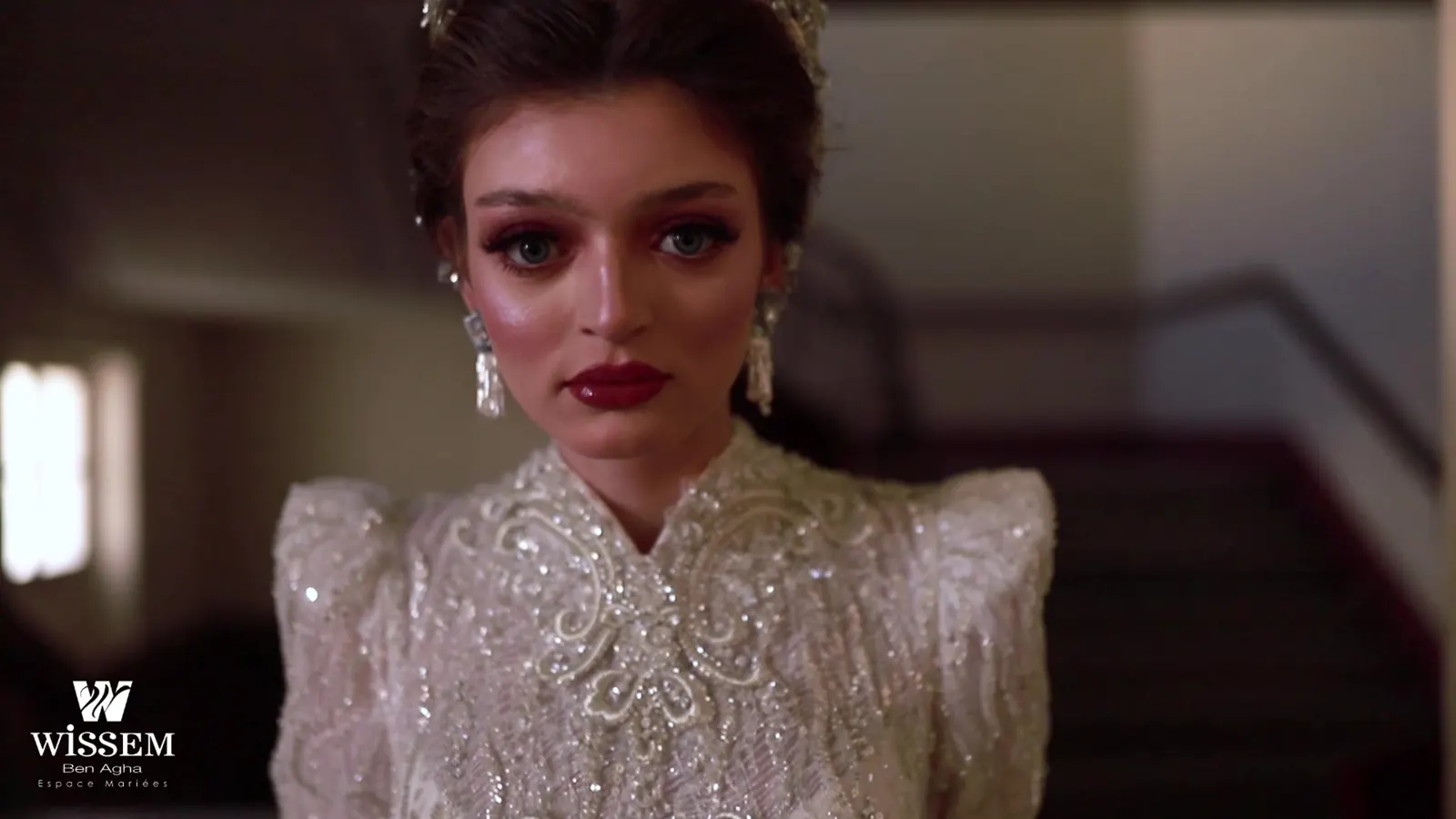
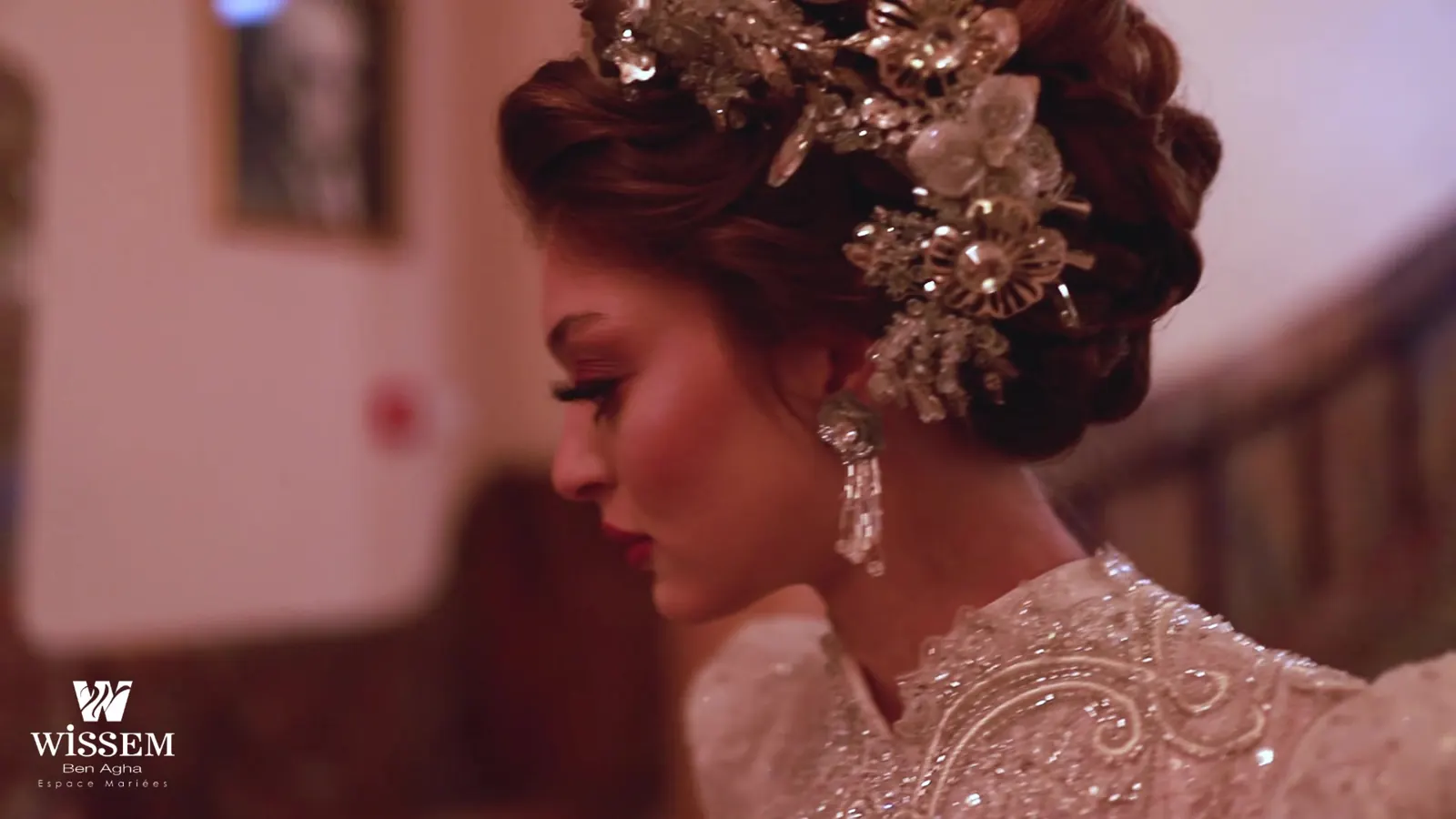
The camera keeps returning to the beading, because detail is what a couture client is really paying for.
Five things that shaped this bridal couture fashion film
People often ask what makes a couture film feel calm and expensive rather than busy. There is no trick, but there are decisions, and on In a Dream five of them did most of the work. Here they are in the order they were made, from the first idea to the final cut, with the reasoning behind each one so you can borrow it for your own collection.
1. The film was built around a feeling, not a product list
The starting point was not a list of gowns to cover. It was a question: what does a bride feel when she moves in a gown that took hundreds of hours to make? A lookbook can show the silhouette. A bridal couture fashion film can show the feeling. Once that was the brief, every later choice, from pace to light to music, had a test to pass: does it help the viewer feel the gown before they read about it?
For a couture house this matters commercially as well as artistically. Brides rarely choose a gown from a spec sheet. They choose the one they can imagine themselves in, and a film that lets them do that is doing the job of a fitting room.
2. The house provided the light
The film was lit largely by the rooms’ own window light. Tall arched windows give a soft, directional light that wraps around fabric and falls gently across a face, which is exactly what beading and lace need. Working with daylight also kept the crew small and the set quiet, so the models could move naturally rather than hitting marks between light stands.
I kept the palette warm and the contrast gentle in the grade. That choice protects the detail in ivory and silver beading, which can burn out under hard light, and lets it hold against the rose tones of the walls.
3. Wide frames for scale, close passes for craft
Every look was covered in two ways. Wide frames used the architecture, the marble staircase, the columns, the long hall, to give the gown scale and a sense of occasion. Then the camera came in close, passing slowly over the embroidery, so the viewer could see the handwork bead by bead.
That rhythm of wide and close is the secret of most strong couture film work. The wide frame says this is an event. The close frame says this is craftsmanship. A collection needs both, and cutting between them keeps the eye moving without any need for fast edits.
4. Two moods, held together by one walk
The collection had two distinct characters: sculpted, high-necked gowns, and a second chapter of crowns, veils and dramatic headpieces. Rather than making two separate films, I gave each look its own moment and tied them all back into one continuous walk through the house. The location becomes the thread, so the change of mood feels like a turn in the story rather than a change of subject.
5. Cut to the music, slowly
The edit, which I shared with Nassim Slaimi, was cut to the rhythm of the score by Abel Korzeniowski. Slow, unhurried camera movement only works if the edit respects it, so shots were allowed to breathe and the cuts land with the music rather than against it. The film then opens and closes on the Wissem Ben Agha title cards, so the brand frames the whole experience.
The result is a film of 2 minutes 49 seconds that feels unhurried without dragging. Length is a creative choice too: long enough to show two chapters of a collection, short enough to be watched in full on a phone.
A small crew and the light of the house
Treatment
A mood, a palette and a shot list per look, so every gown gets its wide, its walk and its detail.
Location as set
Rooms with tall windows and staircases, so daylight does most of the work.
Camera
Slow, steady movement and shallow focus to keep the eye on fabric, beading and gesture.
Edit and score
Cut to the rhythm of the music, graded warm, finished with the brand’s title cards.
The team
- Presented byWissem Ben Agha
- A film byGhassen Oueslati
- FeaturingEya Mahjoub and Abir Ben Mabrouk
- MusicAbel Korzeniowski
- Edited byNassim Slaimi and Ghassen Oueslati
- MovieNassim Slaimi
- AssistantsHamza Kristou and Iheb Bouazizi
What the brand received
A finished 2 minute 49 second film in 1080p, graded and scored, opening and closing on the Wissem Ben Agha title cards, ready for the collection’s launch. The same eye works for stills: see my fashion photography in Doha and brand film and video production.
When a collection needs a fashion film, not only stills
A lookbook is a reference: it shows each look clearly so buyers, stylists and clients can see the silhouette, the cut and the details. A fashion film is an experience: it shows movement, mood and the world the brand wants its client to step into. Most collections benefit from both, and the question is which one leads.
Choose a film when movement is the selling point
Bridal and evening wear are the clearest cases. A train on a staircase, a veil catching the air, beading that changes as the light moves: these are things a still photograph can only suggest. If the value of your collection lives in how it moves and how it feels to wear, a fashion film earns its budget.
A film also travels further than a single image. It can open a website, run before a trunk show, play on a screen in the atelier and be cut into short clips for social media. Planned well, one shoot gives a collection a moving identity that lasts the whole season, long after the launch week has passed.
Choose stills when clarity is the priority
If your clients need to compare looks, order pieces or check details, clear stills come first. My notes on planning a fashion lookbook shoot in Doha cover that side of the work. The good news is that the two can be planned together, sharing the same location, styling and light, which is usually more efficient than booking them separately.
Stills taken from the film
Every still on this page is a frame taken from In a Dream. When a film is lit and composed carefully, its frames can work as campaign images, social posts and press visuals. That makes a well-planned bridal couture fashion film a strong investment for a launch: one shoot that delivers both the moving image and a library of stills.
How to plan a couture film for your next collection
If you are a designer or a bridal house thinking about a film for your next launch, the planning matters more than the equipment. These are the steps I take with every fashion house before a camera comes out, and the points worth deciding early.
Define the feeling
Agree on one mood the film must leave behind. Every location, look and cut is then measured against it.
Choose a location with light
Look for tall windows, staircases and textured walls. A good room does more for a gown than any lighting kit.
Write a shot list per look
Each gown needs its wide, its walk and its detail, so no piece is left without its moment.
Plan the music early
The score sets the pace of camera movement and the edit, so choose or license it before the shoot, not after.
Casting for movement
For a couture film, casting is about how someone moves as much as how they look. Models who can walk slowly, turn with control and hold a pose without stiffening make the camera’s job far easier. In a Dream features Eya Mahjoub and Abir Ben Mabrouk, and the film relies on that kind of calm, controlled movement.
Hair, make-up and headpieces
In close-up, every detail is magnified. Plan hair and make-up for the camera, not just for the runway, and give headpieces time for adjustment between takes. In the crown chapter of this film, the headpieces carry as much of the story as the gowns, so they were given their own close frames.
Deciding where the film will live
A launch film for a website, a vertical cut for social and a short teaser for stories all need slightly different framing. Tell your director every format at the start. For this project the main film was delivered in 1080p, and a short teaser loop now sits near the top of this page.
Grade, pace and titles: finishing a fashion film
The finish is where a fashion film either becomes a brand asset or stays a nice video. Three things decide it: the grade, the pace and the way the brand appears on screen. None of them is glamorous, and all of them are noticed instantly by a viewer, even if they could not say why.
A grade that protects the fabric
Bridal fabrics are unforgiving. Ivory can turn yellow, white can turn grey and silver beading can lose its sparkle if the contrast is too hard. I grade for the garment first and the mood second, checking skin and fabric together so neither drifts. On In a Dream that meant warm, gentle contrast, so the beadwork kept its detail against the rose walls.
Pace that matches the brand
A couture house selling hours of handwork should not be cut like a sports advert. Slow movement and longer shots tell the viewer that this is something to take time over. The same principle works in reverse for a streetwear label, where energy is the message. Choosing the pace is really choosing how the brand wants to be perceived.
Titles and brand presence
Title cards should frame the film, not interrupt it. In a Dream opens and closes on the Wissem Ben Agha cards and leaves the middle to the gowns. Keep logos and text to the beginning and end, and let the collection speak for itself in between. That restraint is part of what makes a couture film feel premium.
Hiring a fashion videographer in Doha for a couture film
I am based in Lusail, Doha, and work as a photographer, videographer and director of photography across fashion, editorial and commercial projects. As a fashion videographer in Doha, I usually lead both the creative direction and the camera, which keeps the vision consistent from treatment to final grade. For larger productions I build a small crew around the project, as the credits on this film show.
When you speak to any fashion videographer in Doha, ask to see a full film rather than a reel, ask who edits and grades, and ask how they plan around daylight. A reel shows the best seconds; a full film shows whether someone can hold a mood for its whole length. My guide to videographer prices in Doha explains what shapes the cost, and I always quote one all-inclusive figure.
If your project is a campaign rather than a film, the Unearthed accessories campaign shows how I approach a stills series, and every project sits together on the case studies page. For brides rather than brands, my wedding photography page covers the same eye applied to the day itself.
Bridal couture fashion film: common questions
How long should a bridal couture fashion film be?
Long enough to show the collection and short enough to watch in full. In a Dream runs 2 minutes 49 seconds, which allows two chapters of looks without losing attention. Most brands also benefit from a short teaser cut and a few vertical clips for social.
Can the same shoot produce stills as well as the film?
Yes. Every still on this page is a frame from the film. If you need dedicated campaign photography as well, I plan stills and motion together on the same set so the look stays consistent.
Do you work with natural light or a lighting crew?
It depends on the location and the look. In a Dream was lit largely by the rooms’ own window light, which suits lace and beading beautifully. Where a location needs it, I shape or add light while keeping the crew as small as possible.
Who chooses the music?
We decide together, early. The music sets the pace of the camera and the edit. In a Dream was cut to music by Abel Korzeniowski. Any track must be properly licensed for the channels where the film will run.
Do you only make films for brands based in Doha?
No. I am based in Doha, but I work with fashion houses across the region and beyond. Travel and location planning are included in the proposal from the start.
How do I start a couture film project?
Send the collection, the launch date and where the film will live through the quote form. I reply within one business day with questions or a proposal.
Let’s make a film your clients feel
Tell me about the collection, the launch date and where the film will live. I reply within one business day.